















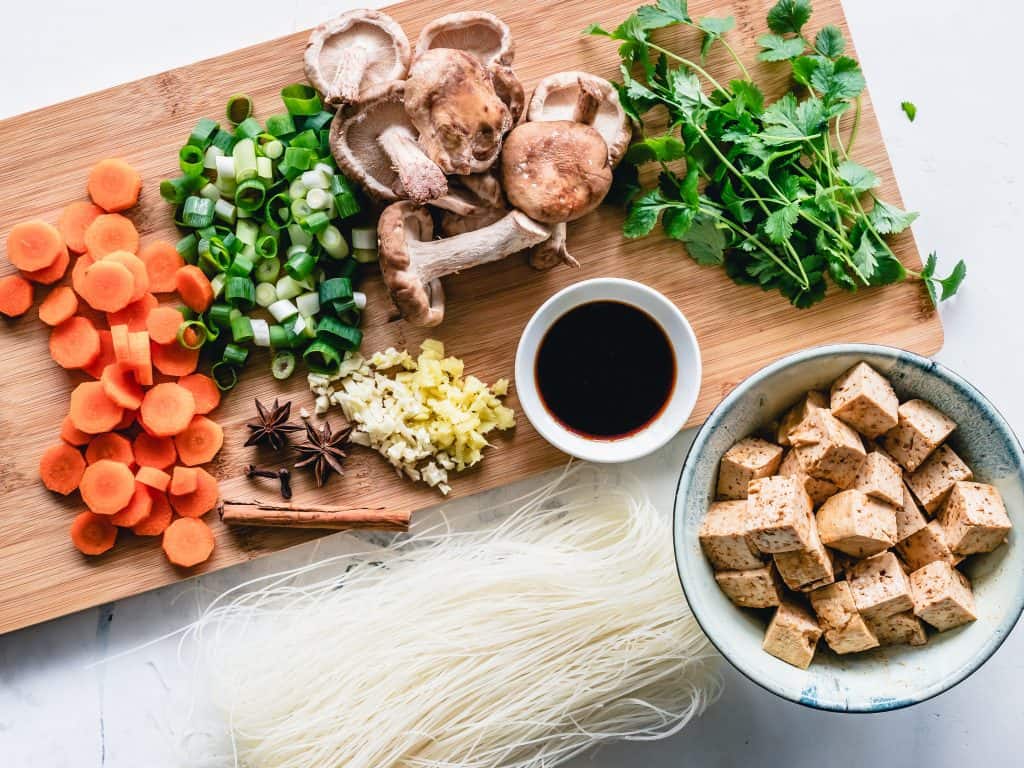
Food processors are great – they chop, slice, shred, and purée most things you can put into them in a fraction of the time it would have taken you to do the job with a knife. If you get the right model, you can even use it to grind meat and grate cheese! From basic family meals to cooking for many people, or even for batch-cooking, you can’t beat the convenience of a food processor. But have you considered all the things you need to know when buying one?
What blade should you use?
The S-shaped blade, also knows as the Sabatier blade, comes standard with a food processor. It goes into the bowl, rotating at a low level, and helps you with general mixing, chopping and pureeing. It is a highly versatile attachment, and can be applied to almost any requirement.
The shredding disc, in comparison, is fitted to the top of the bowl, and rotates just underneath the lid. As food is passed through the inlet tube on the lid, the disc turns, shredding anything that passes through it. The shredded ingredients fall into the bowl below the disc. This is a very useful way of grating cheese or vegetables.
The slicing disc is also attached to the top of the food processor bowl, and processes ingredients as they are passed through the inlet tube. Instead of grating, this disc slices ingredients into thin slices, similarly to what a mandolin cutter might have done.
Check your warranties
Most standard small appliance warranties are for one year. In certain cases, you might have the option to get an extended warranty, but this would depend on the individual manufacturer. Generally, only the motor is covered by extended warranties.
Structure
Because the operating action of a food processor often creates major vibrations, stability should be an influencing factor in making your decision about the best food processor you would like to buy.
Choose a wide body and a strong base. This will prevent the appliance from moving around while in operation. A good quality food processor should be able to work extended sessions without burning out. This can be better managed by not overloading the motor.
Dishwasher safety
Most modern food processors are thankfully dishwasher-friendly, but always check before buying, especially if this is important to you. Always disassemble it to be washed. Of course, even if all other parts can go in the dishwasher, always just wipe the electric base with a damp cloth or paper towel.
The ideal food processor shouldn’t have sharp edges that could cut or hurt the user, nor be designed in such a way that food can get stuck in hard to reach places. No dishwasher can compensate for poor design, so take great care to get rid of any embedded or stuck pieces, if you own a model that is prone to being hard to clean
To avoid electric shock, make sure that all components are completely dry after washing, before putting it back together.
You might also like…
This is a contributed post


Leave a Reply