











For the last 7 years I have suffered with bouts of insomnia. And even when I am not suffering I wake up a lot and find it hard to get back to sleep. I have done a LOT of reading and researching tips to help. But most of them tell you not to drink caffeine (I don’t), and don’t doom scroll (I don’t). Then there is a huge market for sleepy products; pillow mists, lotions, bubble baths, drops, you name it. But they all contain Lavender. A lovely product known for its sleep inducing qualities. Except if you are allergic to lavender and a mere whiff of the stuff starts your eyes streaming and induces sneezing fits, coughing and wheezing. Not really conducive to sleeping! So if like me, you are allergic to lavender and have already cut out the caffeine and social media scrolling before bed, I’ve got some tips for you: How to sleep well when you are allergic to sleep products:

Try and keep your natural sleep rhythm
When you can’t sleep at night and you are absolutely knackered, it can be so tempting to have a little afternoon nap. Likewise when you are lying in bed wide awake at 2am and reliving every past embarrassing moment of your life, it can be really tempting to get up and do some work, or watch TV. DON’T.
Napping during the day and getting up in the middle of the night will only make things worse as it disrupts your sleep pattern further and confuses your body clock. Try as much as you can to stick to your normal sleep pattern.
Get a sleep routine
When the kids were babies we started a bedtime routine early on. In its simplest form it was a bath, bottle, and bed. Over the years the routine has changed slightly, but there is still a routine. A bedtime routine gives your body clues that it is time to wind down. This in turn releases melatonin, your body’s natural sleep inducing hormone. And this applies for adults too. It doesn’t have to be a complicated routine, and it doesn’t have to take long. Mine consists of getting into my PJ’s, doing my face cleanse routine, and doing 10 minutes of mindfulness. That mindfulness might be a meditation, or writing in a gratitude journal. It might be a brain dump of all the things on my mind onto a piece of paper to clear my head. Keeping the lights low and not using your phone are also ways to increase melatonin levels before bed.
Have an early night
A sleep specialist once told me that everyone should aim for three early nights a week as a minimum. By early nights, they don’t mean going to sleep earlier than you normally would, but going up and getting into bed half an hour earlier than you normally would. You spend that half hour doing something calming that can be done from your bed, for example, reading, meditating, journalling, embroidery. No phones allowed. Then you go to sleep at your normal bed time. It’s a way for the body to reset. To clear your mind before going to sleep and enter a calm state.
I’ll be honest, when I first started this it felt like a chore. Suddenly I got FOMO for what I could be doing instead! I only do it twice a week, but now those are my favourite nights of the week. I can’t wait to get under the covers and chill out. It feels lovely and indulgent, and does wonders for my mental health.
Have 2 wees before bed
I regularly dream about needing a wee. My dream normally involves me frantically trying to find a toilet and there being none available. Then I wake up desperate for a wee. Is it my subconscious knowing I need a wee so making me dream about it? Or does my body succumb to the power of suggestion and decide it needs a wee because of my dream? Who knows, but what I do know is that since having children I rarely sleep through the night without needing to get up for a wee at least twice.
So I started following the advice we were given when my son was wetting the bed at night. Mainly 2 wees before bed. I make it part of my bedtime routine! And it is helping. My night time wees have reduced to one, and the other night I slept through! I wasn’t sure I would make it to the bathroom when I got up as I was bursting! But it is making a difference.
Get the temperature comfortable
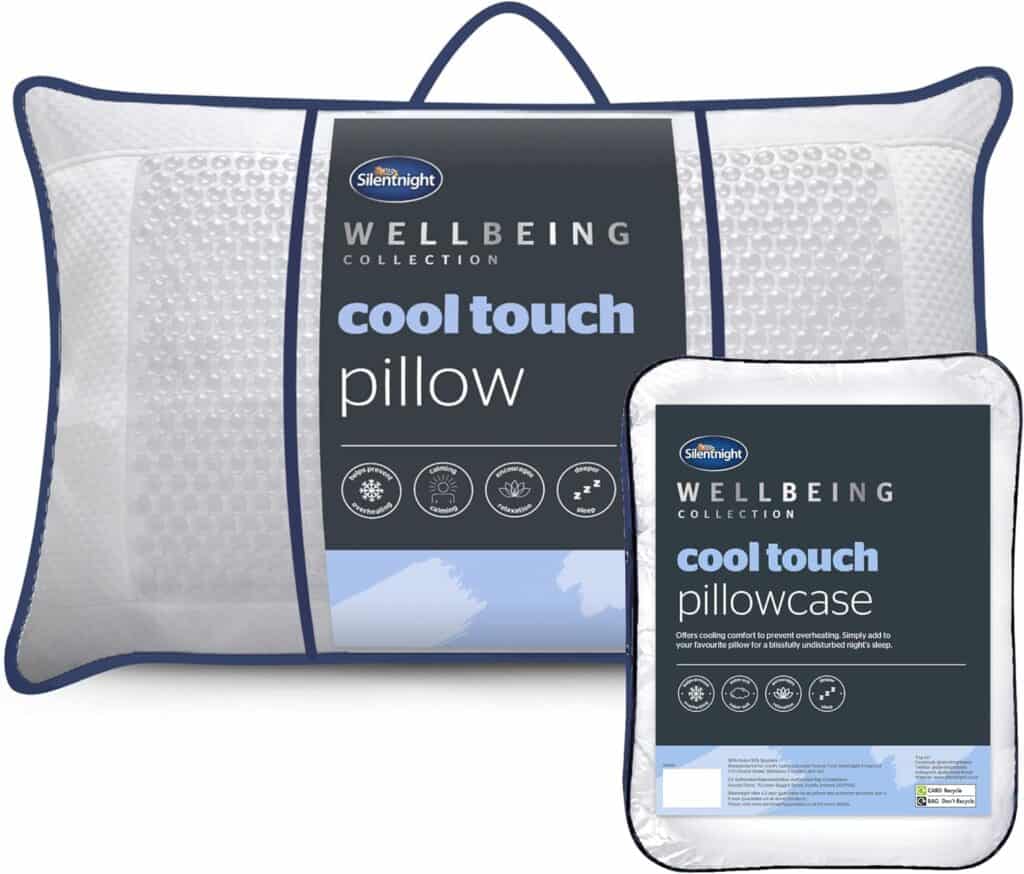
I used to go to bed with a hot water bottle 9 months of the year. Thermal PJ’s. Heated blankets. The works. Now I find myself googling ‘cooling nightwear’. So far my bodies biggest reaction to the hormonal shift of the peri-menopause is the night sweats. It’s no exaggeration to say I have woken up with wet hair, and had to get in the shower to cool off. I am now always hot in bed. But like most of the population, I can’t sleep without some kind of cover in case the monsters get me. I now have a fan plugged in by my side of the bed with the on switch in easy reach. So when I wake up hot I only have to move an arm and the problem is solved.
The tip here is whether you are a hot sleeper, or a cold one, have everything you need to adjust your temperature easily to hand so it is only a momentary interruption to your sleep, and you can easily bring your body back to a comfortable temperature. The importance of sleep should not be underestimated. you can read about the impact of sleep on mental health on the sleep tech firm Simba’s website.
How to get to sleep
Why is it the moment I lay down in bed my mind is suddenly wide awake and planning next year’s holiday, or redesigning my kids bedrooms? I need something to focus on that stops my mind whirring. Thankfully I discovered the ‘Calm’ app. This is not an ad, but I genuinely recommend this app to anyone having sleep problems. I pay a yearly subscription of around £20 and it is worth every penny. I use it every day. Or should I say night.
There are lots of calming sleep stories read by wonderfully soothing voices. Lots of famous voices too. I have yet to listen to a whole story without falling asleep. They are calming, read in a way that induces sleep, and because I am listening my mind doesn’t wonder to anxiety inducing places.
There are also lots of guided meditations on the app. My personal favourite is the full body scan guided breathing meditation by Dr Julie Smith. It’s really relaxing and great for calming your mind.
Waking up restless legs
Another lovely peri-menopause symptom. I find it less disruptive to my sleep to get up and do some stretches, then really shake out my legs, and get back into bed and back to sleep quickly. The temptation is to stay under the covers and try and stretch, but I find it doesn’t work and just keeps me awake longer.
I think the same applies to anything. If you wake up thirsty, grab some water straight away. Do whatever your body is telling you it needs so you can get back to sleep. The more you ignore it the more restless you will become, and the worse your nights sleep will be.
What not to do when you wake up
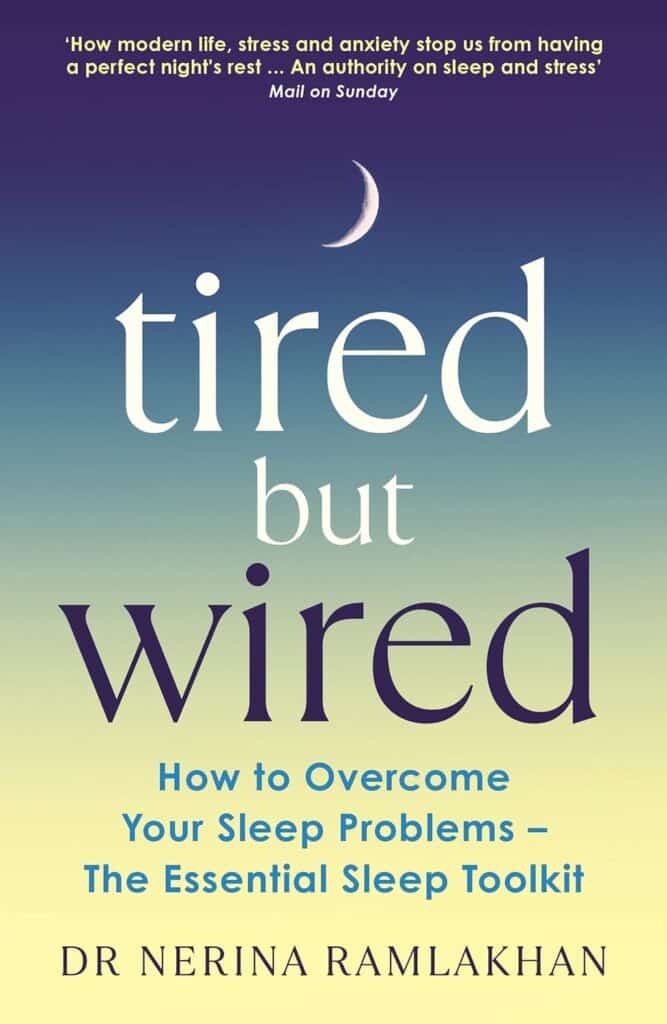
What I am going to tell you now is a game changer. It was advice from Dr Nerina Ramlakhan given at a talk I went to. (Sidenote – if you do ever have the opportunity to listen to Dr Nerina do go. She is wonderfully warm and funny and gives great sleep advice). Like all of the best advice this one is really simple, but it has mad the biggest impact to my sleep. My problem has always been waking up and not being able to get back to sleep. And the first thing I always used to do when I woke up was check the time. The advise is simply DON’T check the time.
When you do it triggers a sort of chain reaction in your head. Something along the lines of “It’s 4 am. I’ve got 2 and a half hours before I need to be up.” That’s the start of your internal voice. And you are already doing maths and waking yourself up a bit more. Then you start thinking about what you’ve got do do when you get up. Worrying about x, y and z. Reminding yourself not to forget something. And before you know it, your mind is whirring and you are wide awake.
Don’t check the time, then you don’t do the maths, and you don’t spiral. I know it sounds too simple to work, but it really does.
I also think it works in reverse. You don’t wake up thinking “I was awake at 2, and 4” and thinking that makes you feel more tired.
If you take anything from this post, this is my most highly recommended tip. It has made so much difference to getting back to sleep when I inevitably wake up for a wee.
Conclusion
So there you have it. Sleep tips with no lavender in sight! I hope these tips are useful to everyone, but especially those who are allergic to sleep products.
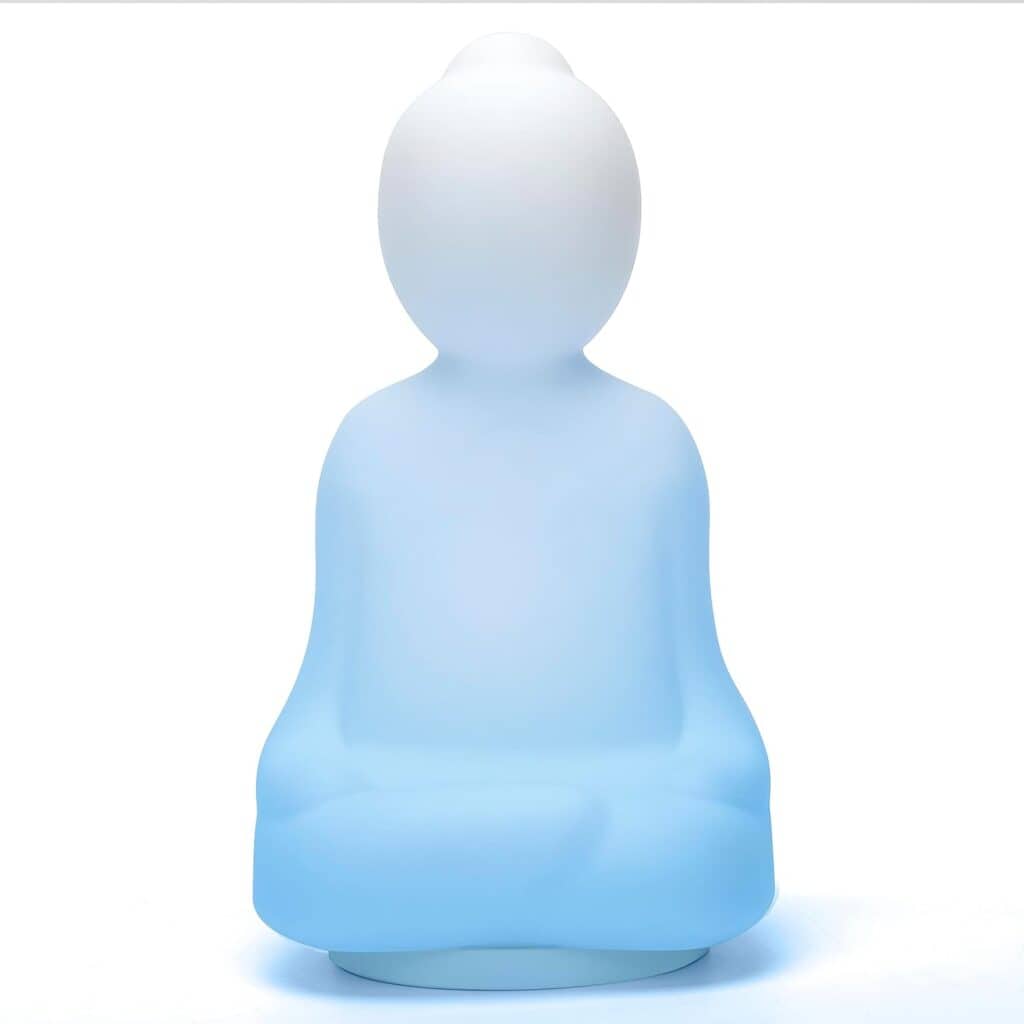
Check out these items to help you with your sleep (affiliate links):


Leave a Reply