














Understanding the key stages of child development is essential for parents, educators and caregivers alike. From infancy through to adolescence, children grow and change rapidly—physically, emotionally, socially and intellectually. Recognising these stages helps adults provide the support and environment children need to thrive.
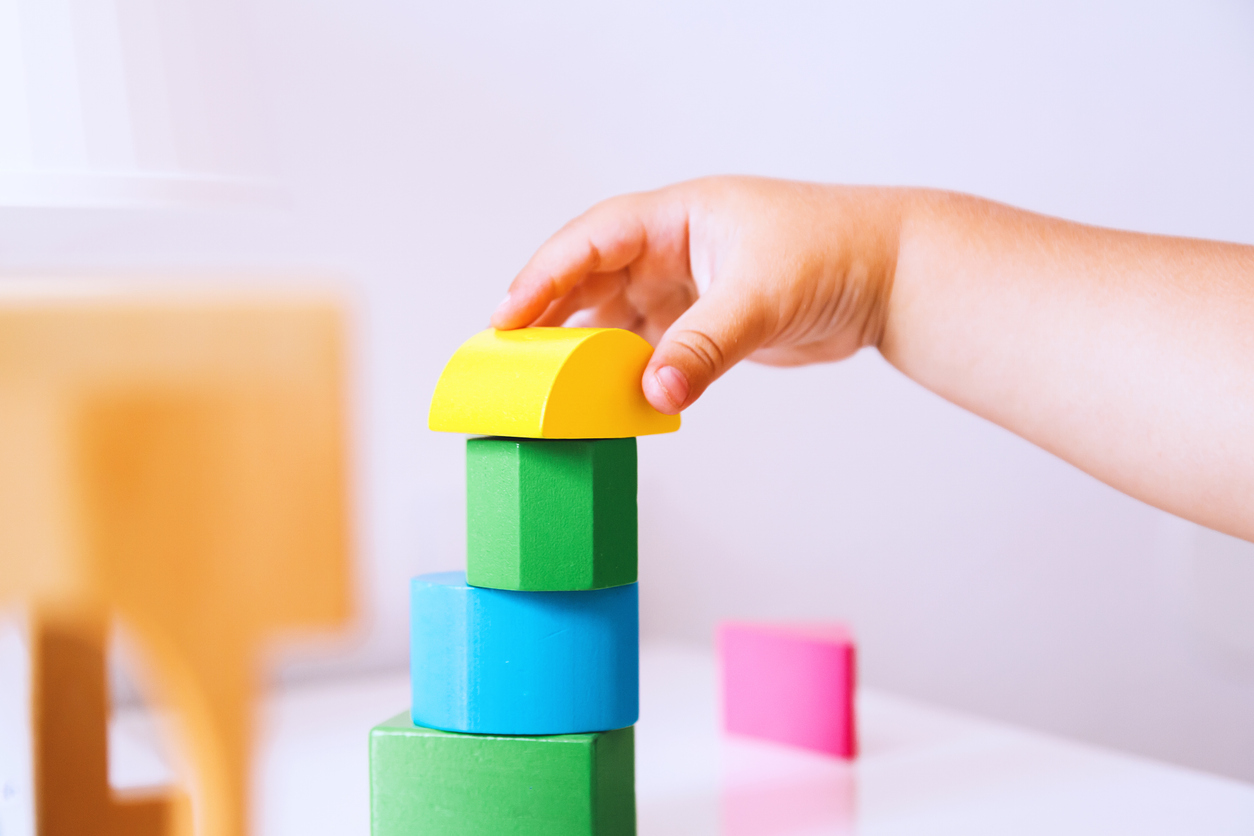
Infancy (0–12 months)
This prep school in Essex suggests that the first year of life is a time of remarkable growth. Babies learn to recognise voices, respond to touch and develop trust through close relationships with caregivers. Physically, they gain control over their movements—lifting their head, rolling over, sitting up, crawling and perhaps even walking by the end of this stage.
Communication begins with cooing and crying, progressing to babbling and recognising familiar sounds. Emotional bonds formed during this time lay the foundation for future social and emotional wellbeing.
Toddlerhood (1–3 years)
During the toddler years, children become more mobile and curious. They start walking, climbing and exploring the world around them. Language development takes off, with many toddlers learning new words rapidly and beginning to form simple sentences.
This is also the stage where independence begins to show. Toddlers may assert their preferences strongly (often with the word “no!”), and begin to express a wide range of emotions. Socially, they enjoy playing near others—even if not directly with them—and start to imitate adults and older children.
Early Childhood (3–5 years)
Preschool years are full of imagination and learning through play. Fine motor skills improve, enabling activities like drawing, using scissors and beginning to write. Children become more articulate and curious, often asking “why” and showing interest in how things work.
Emotionally, they are learning to manage feelings, share with others and take turns. Friendships become more meaningful, and children often begin to engage in cooperative play. It’s also a key time for the development of empathy and early moral understanding.
Middle Childhood (6–11 years)
Also known as the primary school years, this stage sees steady physical growth and increased coordination. Children develop stronger thinking and problem-solving skills. They are able to focus for longer periods, follow rules more easily and show greater responsibility.
Academically, reading, writing and numeracy skills become more advanced. Socially, peer relationships take on more importance, and children begin to form a clearer sense of self and individuality. It’s also a time where self-esteem can flourish or falter, so positive encouragement is crucial.
Adolescence (12–18 years)
Adolescence marks the transition from childhood to adulthood. Puberty brings physical changes, while emotionally, teenagers seek more independence and begin to form their own identities. They may question rules and values as they explore different viewpoints and roles.
Cognitive abilities become more sophisticated, with abstract thinking and reasoning skills developing further. Relationships with peers and romantic interests become more significant, and teenagers often look to their peer group for validation and support.
Supporting Development at Every Stage
Each stage of development builds on the previous one. While the timeline may vary slightly for every child, having a general understanding of these stages can help adults provide age-appropriate support, encouragement and boundaries. By nurturing each aspect of a child’s growth—emotional, physic


Leave a Reply