









Of all the educational investments parents can make, learning a second language young is one of the most underrated and most consistently rewarding. The research is clear, the practical benefits are enormous, and the window of opportunity is wider than many parents realise. Here is what you actually need to know.
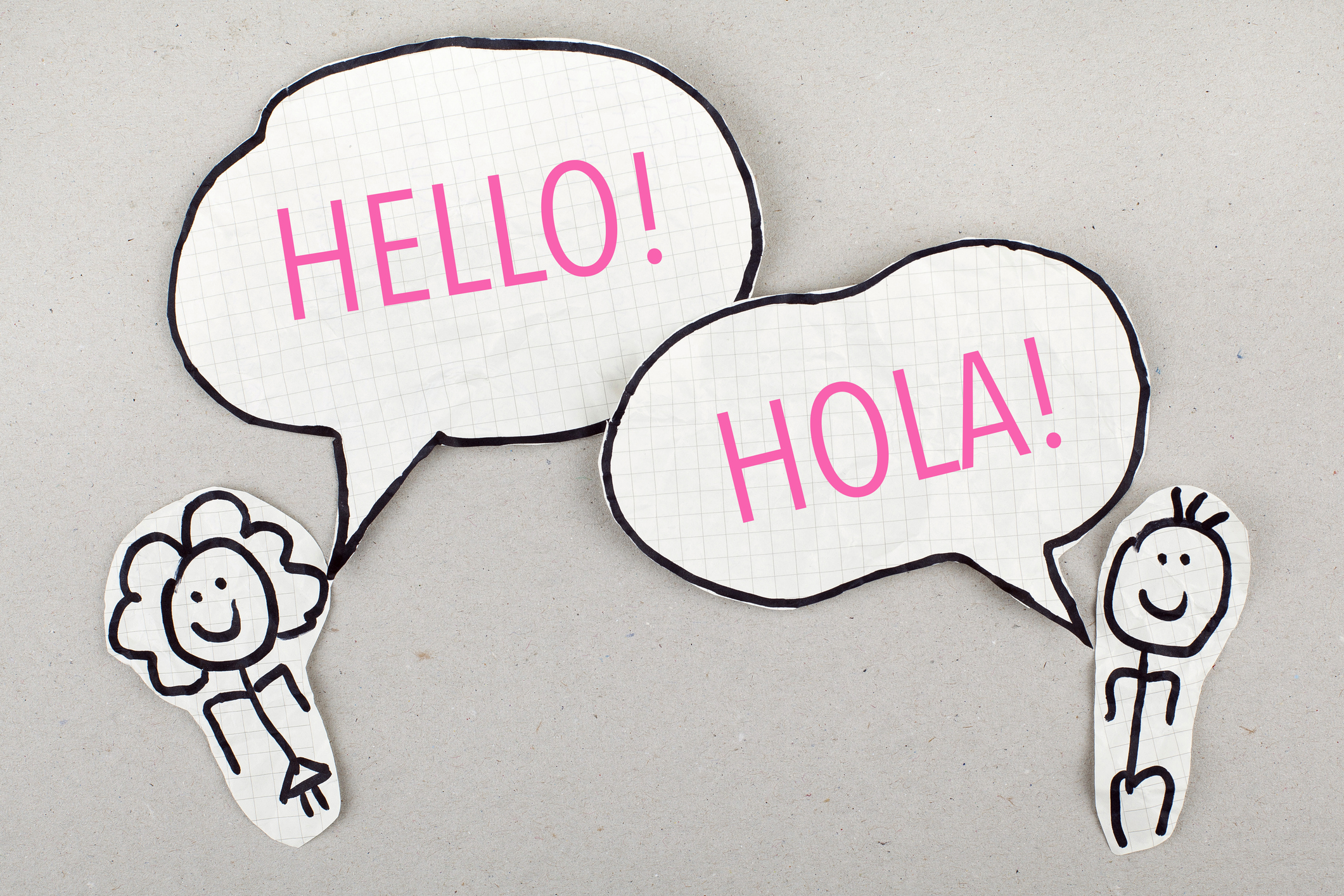
What Happens in a Young Brain
Children’s brains are extraordinarily well-suited to language acquisition. They pick up grammar without being taught the rules, develop accurate accents without effort, and absorb vocabulary at a rate that adults find disorienting. This is not a sentimental observation. It is a consistent finding across decades of neurolinguistic research.
The window does not slam shut at a particular age, but it does narrow steadily through the teenage years. A child who has had genuine exposure to a second language before the age of about seven will, in almost every case, have an easier time with that language for the rest of their life.
Beyond the Language Itself
The benefits go far beyond the ability to speak two languages. Bilingual schools that immerse children in another culture from the early years consistently produce pupils with stronger executive function, better working memory and more cognitive flexibility than their monolingual peers. Kensington Wade, the UK’s first dual-language Mandarin and English prep school, is one example of this approach in practice.
These gains show up in unrelated areas: maths, reading comprehension, problem-solving, even creativity. The brain that has learned to hold two language systems at once becomes better at holding complexity in general.
It Does Not Take Fluency
An important point that often gets lost: even partial exposure to a second language produces real benefits. Your child does not have to become fully fluent for the experience to matter. A child who can hold a basic conversation, read children’s books and follow a film in another language has gained a great deal.
- Stronger general listening skills.
- An ear for accents and pronunciation that lasts a lifetime.
- An understanding that languages have structure, not just words.
- Confidence that learning a third or fourth language is possible later.
How to Build the Exposure
If your family does not naturally speak a second language at home, you can still build meaningful exposure for your child:
- Bedtime stories in the second language. Children’s books in other languages are widely available online.
- Songs and rhymes from a young age. Music is one of the most reliable language vehicles for young brains.
- Cartoons and films with the audio set to the second language. Subtitles in English are fine.
- Conversation classes for an hour a week. The earlier they start, the better.
- Holidays in countries where the language is spoken, with as much immersion as you can arrange.
The Bilingual School Question
Truly bilingual education is the gold standard, but it is not the only path. A school that teaches some subjects in the second language, or that takes language lessons seriously from Reception, can build real fluency over the primary years. When you look at schools, ask specifically how much time per week is spent in the second language, and from what age.
Schools like Kensington Wade demonstrate what intensive bilingual exposure looks like in practice. If full bilingual education is not feasible for your family, focus on schools that take language teaching seriously rather than treating it as a tick-box subject.
The Patience Required
Bilingual children often go through a quiet patch in the early years, sometimes around age three or four, where the second language seems to recede. This is normal and almost always temporary. The brain is consolidating, not abandoning. Persist with the exposure and the language will surface again, often stronger than before.
Equally, do not expect linear progress. Children’s language skills move in waves, with sudden leaps followed by plateaus. The plateaus are part of the process.
The Adult They Will Become
An adult who can speak two languages comfortably has access to a different version of the world. More careers, more friendships, more cultural depth, more travel that is meaningful rather than touristic. The child who is learning Mandarin nursery rhymes today is, in the most concrete sense, building that adult life.
The window is wide while children are young. Use it generously. For more on bilingual education in central London, visit https://www.kensingtonwade.com/.
About the Author
This article was contributed by Kensington Wade, the UK’s first dual-language English and Mandarin prep school, offering a fully bilingual education from age 3 in central London.
Learn more: https://www.kensingtonwade.com/


Leave a Reply