














In a world that often feels increasingly fast-paced and self-centred, teaching your child about kindness is more important than ever. Kindness helps build strong relationships, fosters empathy, and contributes to a more compassionate society. Here are some practical strategies and tips from a private school on teaching your child about kindness and helping them develop this vital trait.
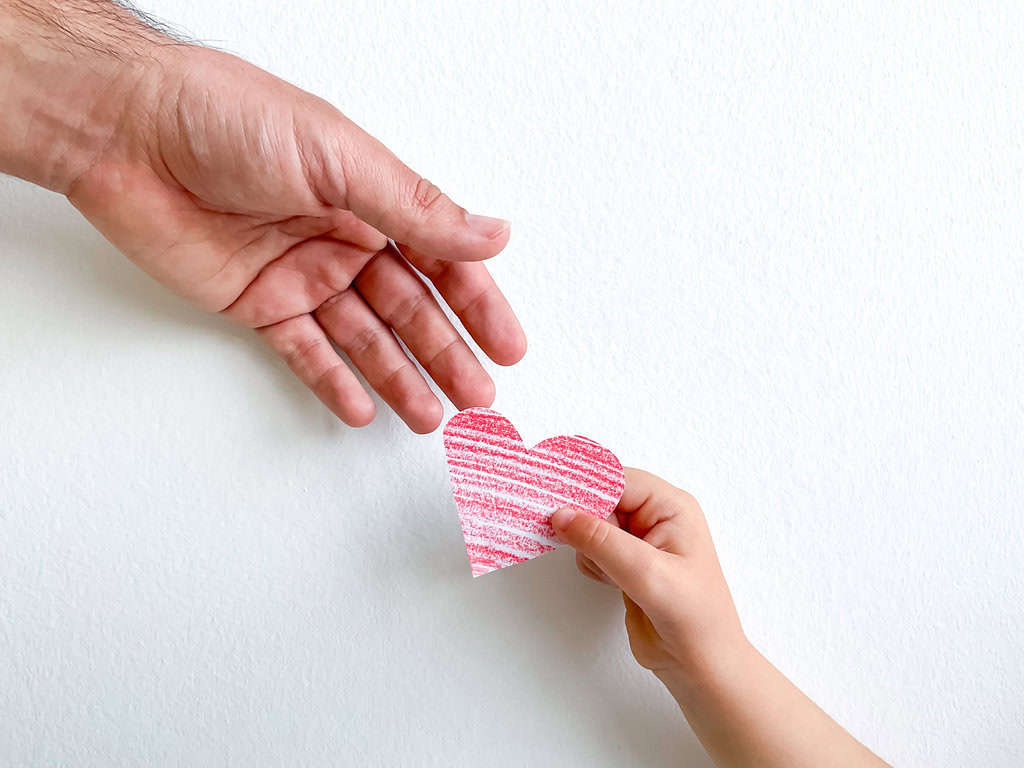
1. Be a Role Model
Children learn a great deal by observing the adults in their lives. By modelling kind behaviour, you can set a powerful example for your child to follow.
Tips:
- Demonstrate kindness in your daily interactions, whether it’s with family members, friends, or strangers.
- Use polite language, show appreciation, and offer help to others.
- Share stories about acts of kindness you’ve experienced or performed.
2. Discuss the Importance of Kindness
Have open conversations with your child about why kindness matters and how it affects others. Help them understand the positive impact of their actions.
Tips:
- Explain how kind actions can make someone’s day better and strengthen relationships.
- Discuss different ways to show kindness, such as sharing, helping, and speaking kindly.
- Encourage them to think about how they would feel if they were in someone else’s shoes.
3. Practice Empathy
Empathy is the ability to understand and share the feelings of others. Teaching your child empathy is a foundational step towards fostering kindness.
Tips:
- Ask your child to imagine how others might feel in various situations.
- Encourage them to express their feelings and listen to the feelings of others.
- Read books or watch movies that focus on characters displaying empathy and kindness.
4. Encourage Random Acts of Kindness
Encouraging your child to perform random acts of kindness helps them see the joy and positive reactions these actions can generate.
Tips:
- Create a “Kindness Calendar” with your child, planning a kind act for each day.
- Suggest simple acts of kindness, such as writing a thank-you note, helping a neighbour, or sharing a toy.
- Praise and acknowledge their efforts when they perform kind acts.
5. Create Opportunities for Volunteering
Volunteering as a family can teach your child the value of helping others and making a difference in the community.
Tips:
- Find local volunteering opportunities that are suitable for children, such as community clean-ups or visiting nursing homes.
- Involve your child in choosing the volunteering activities to make them feel more engaged.
- Reflect on the experience together, discussing what they learned and how it felt to help others.
6. Teach Gratitude
Gratitude and kindness go hand in hand. Teaching your child to be grateful helps them appreciate what they have and encourages them to be more giving.
Tips:
- Start a gratitude journal where your child can write or draw things they are thankful for.
- Make it a habit to express gratitude regularly, such as during meals or bedtime.
- Encourage them to thank others and show appreciation for kind acts they receive.
7. Use Positive Reinforcement
Positive reinforcement can encourage your child to continue displaying kind behaviour. Celebrate their acts of kindness and the positive impact they have on others.
Tips:
- Give specific praise for kind actions, explaining why their behaviour was appreciated.
- Use a reward system, like a kindness chart, where they can earn rewards for kind acts.
- Share stories about their kindness with family and friends, reinforcing the importance of their actions.
8. Encourage Kindness in Challenging Situations
Teaching your child to be kind, even in difficult situations, can help them develop resilience and a strong moral compass.
Tips:
- Role-play scenarios where they might face challenges in being kind, and discuss appropriate responses.
- Teach conflict resolution skills, emphasizing respectful and empathetic communication.
- Encourage them to stand up for others and offer support in situations involving bullying or exclusion.
9. Lead by Example in Apologising and Forgiving
Teaching your child how to apologize and forgive others is a crucial aspect of kindness. Show them that everyone makes mistakes and that it’s important to make amends.
Tips:
- Apologise when you make a mistake and explain why it’s important to do so.
- Encourage your child to apologize sincerely when they’ve hurt someone.
- Discuss the importance of forgiveness and moving forward positively.
10. Celebrate Diversity and Inclusion
Teaching your child to be kind to everyone, regardless of differences, helps foster an inclusive and compassionate mindset.
Tips:
- Expose your child to diverse cultures, traditions, and perspectives through books, movies, and activities.
- Encourage inclusive play and friendships, emphasizing the value of everyone’s uniqueness.
- Discuss the importance of treating everyone with respect and kindness, regardless of their background or abilities.
Teaching your child about kindness is a continuous journey that involves modelling positive behaviour, fostering empathy, and creating opportunities for them to practice kindness in everyday life. By nurturing this essential trait, you are helping your child develop into a compassionate, empathetic, and well-rounded individual who contributes positively to their community. Start today, and watch your child grow into a beacon of kindness and positivity in the world.


Leave a Reply