








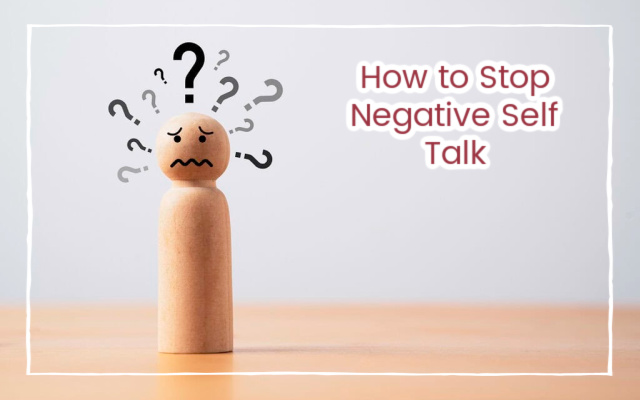




Peer pressure is a powerful force in a child’s life, especially during adolescence. As children grow, their desire to fit in with their peers becomes stronger, often leading them to make choices that they wouldn’t otherwise consider.
Whether it’s trying to fit in by wearing the latest trends, experimenting with risky behaviours, or simply going along with the crowd, peer pressure can significantly impact your child’s decisions and wellbeing. As a parent, your support and guidance are crucial in helping your child navigate these challenging waters. Here’s how you can support your child as they go through peer pressure.

Create an Open and Trusting Environment
The foundation for helping your child deal with peer pressure is open communication. From a young age, foster an environment where your child feels comfortable talking to you about their thoughts, feelings, and experiences. Make it clear that they can come to you with any issue, no matter how big or small, without fear of judgement or punishment.
Educate Your Child About Peer Pressure
One of the most effective ways to help your child navigate peer pressure is to educate them about what it is and how it works, as this private school in Surrey suggests. Explain that peer pressure is when someone is influenced by their peers to act in a certain way, often to fit in or be accepted. Make sure they understand that peer pressure can be both positive and negative.
Discuss common situations where they might face peer pressure, such as being urged to skip school, try alcohol or drugs, or engage in behaviour they’re uncomfortable with. Explain the potential consequences of giving in to negative peer pressure and emphasise the importance of making decisions that align with their values and wellbeing.
Teach Decision Making and Assertiveness Skills
Equip your child with the skills they need to make confident decisions and resist peer pressure. Encourage them to think critically about the choices they face and to consider the potential outcomes before acting. Help them understand that it’s okay to say “no” and that they don’t have to do something just because everyone else is.
Role-playing can be a helpful tool in teaching assertiveness. Practice scenarios where your child might face peer pressure, and guide them on how to respond confidently. Teach them phrases like, “No thanks, that’s not for me,” or, “I’d rather not,” which they can use to stand up for themselves without feeling confrontational.
Encourage Positive Friendships
The people your child surrounds themselves with can significantly influence their behaviour and decisions. Encourage your child to build friendships with peers who share their values and who will support them in making positive choices. Help them recognise the difference between friends who lift them up and those who may lead them down a negative path.
Talk to your child about the qualities of a good friend, such as honesty, respect, and kindness. If you notice that a particular friendship is having a negative impact on your child, approach the topic gently. Instead of criticising their friends, discuss specific behaviours that concern you and ask your child how they feel about those situations.
Model Healthy Behavior and Boundaries
Children learn a great deal from observing their parents. By modelling healthy behaviour and setting clear boundaries in your own life, you can provide a powerful example for your child. Show them how to stand up for your beliefs, make decisions based on your values, and resist social pressure when necessary.
Be mindful of how you talk about your own experiences with peer pressure, both past and present. Share stories of times when you successfully resisted negative pressure, as well as any lessons you learned from giving in to it. This can help your child see that everyone faces peer pressure, and it’s possible to overcome it.
Build Your Child’s Self-Esteem
A strong sense of self-esteem is one of the best defences against peer pressure. When children feel good about themselves, they’re more likely to make choices that reflect their values, rather than simply going along with the crowd.
Help your child build self-esteem by celebrating their strengths and accomplishments. Encourage them to pursue activities they’re passionate about, which can help them develop a sense of identity and purpose. Praise their efforts and resilience, not just their successes, to reinforce the value of perseverance and self-worth.
Monitor Social Media Use
Social media can amplify peer pressure by creating a constant comparison culture. Children may feel pressure to present a perfect image online or to participate in trends that don’t align with their values.
Monitor your child’s social media use and have regular conversations about what they’re seeing and how it makes them feel. Encourage them to follow accounts that inspire positivity and avoid those that promote negative behaviours or unrealistic standards. Remind them that what they see online isn’t always a true reflection of reality.
Navigating peer pressure is a challenging part of growing up, but with your guidance and support, your child can develop the confidence and skills needed to make positive choices. Remember, your role as a parent is to be their ally and advocate, providing the love, support, and guidance they need to thrive in the face of peer pressure.


Leave a Reply