

















Pregnancy is a time of great joy and anticipation, but it also comes with significant physical and emotional changes. Ensuring the health and safety of both the mother and the developing baby is crucial during this period. One of the most important ways to monitor a healthy pregnancy is through routine testing, which helps healthcare providers detect potential complications and ensures that both mother and baby are progressing as expected. Regular screenings and tests are essential to detect any issues early on, allowing for appropriate interventions and management.

Why Routine Testing is Important
Routine testing during pregnancy allows for early detection of potential risks, such as gestational diabetes, preeclampsia, and infections that could affect the mother or fetus. Many of these conditions may not show symptoms right away, so testing becomes a key part of maintaining a healthy pregnancy. Testing provides both reassurance and a proactive approach to managing health risks.
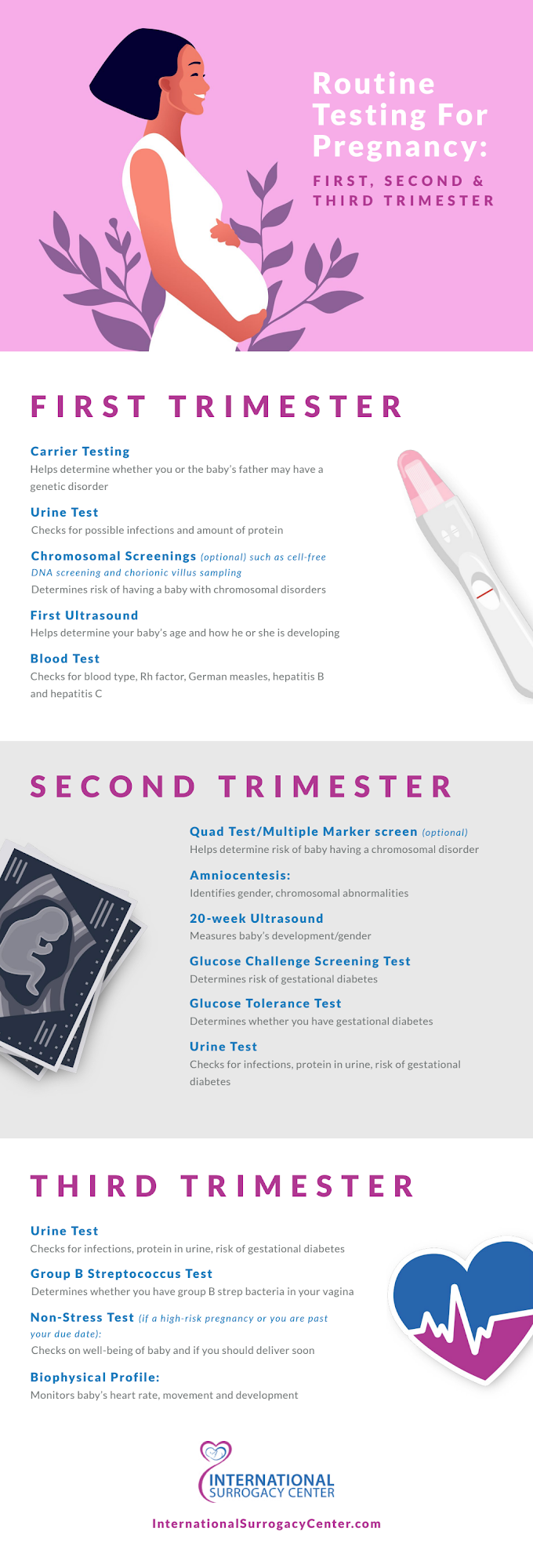
Tests are typically performed at different stages of pregnancy, with the type and timing of the test depending on the individual’s health, medical history, and risk factors. Some tests are done to confirm a pregnancy or determine the baby’s development, while others are screening tools to detect problems that could arise.
Common Routine Pregnancy Tests
- Urine Tests: At every prenatal visit, healthcare providers usually perform a urine test to check for urinary tract infections (UTIs), protein levels (which could indicate preeclampsia), and glucose levels (to screen for gestational diabetes). These tests are easy to perform and can quickly identify early issues that require attention.
- Blood Tests: Blood tests play an essential role in tracking pregnancy health. They can confirm pregnancy through the detection of human chorionic gonadotropin (hCG) levels. Later, blood tests help determine the levels of hemoglobin, iron, and other essential nutrients, which are vital for both the mother and baby. Blood tests can also screen for certain genetic conditions, such as Down syndrome, and check for infections like HIV or syphilis.
- Glucose Screening: Around the 24th to 28th week of pregnancy, pregnant women are typically tested for gestational diabetes through a glucose tolerance test. This test measures how well the body processes sugar and can help detect gestational diabetes early, which, if left untreated, can pose significant risks to both the mother and baby, including large birth weight and preterm labor.
- Ultrasound: Ultrasound tests are an essential part of routine pregnancy testing, particularly during the first trimester. These imaging tests can assess fetal growth and development, verify the due date, and check for multiple pregnancies. They can also help detect structural abnormalities in the fetus, providing crucial information about the health of the baby.
- Screening for Genetic Disorders: During pregnancy, some women opt for screenings to assess the risk of genetic conditions such as Down syndrome, trisomy 18, and neural tube defects. These screenings, such as the first-trimester screening, second-trimester quad screen, or non-invasive prenatal testing (NIPT), provide important information about the baby’s health. While not definitive, these screenings help expectant parents make informed decisions about further testing.
- Group B Streptococcus (GBS) Test: At 35 to 37 weeks of pregnancy, a test for group B streptococcus bacteria is performed. GBS can be passed from the mother to the baby during labor and delivery, potentially causing serious infections like pneumonia or meningitis in newborns. If a woman tests positive, she can be given antibiotics during labor to prevent transmission to the baby.
The Role of Routine Testing in High-Risk Pregnancies
Women with certain health conditions, such as obesity, diabetes, hypertension, or a history of pregnancy complications, may be considered at higher risk for issues during pregnancy. In these cases, routine testing is even more critical. Healthcare providers may recommend additional screenings or more frequent visits to closely monitor the pregnancy and ensure both mother and baby remain healthy. For example, women with a history of preeclampsia may need regular blood pressure monitoring, while those who have previously experienced a miscarriage may be closely monitored through ultrasounds.
Becoming a Surrogate and Routine Testing
Surrogates, women who carry a pregnancy for another person or couple, are also required to undergo routine pregnancy testing. These tests ensure that the pregnancy is progressing healthily and that there are no complications that could affect the health of the surrogate or the baby. Surrogates typically follow a similar testing schedule to other pregnant women, though additional psychological evaluations and medical screenings are often required before they can become a surrogate.
Routine testing during pregnancy is a cornerstone of maternal and fetal health. Through blood tests, ultrasounds, screenings, and other diagnostic tools, healthcare providers can identify potential problems early on and take the necessary steps to address them. Expectant mothers who adhere to regular testing schedules are more likely to have a successful pregnancy and a healthy baby. By taking advantage of these tests, both the mother and the healthcare team can work together to ensure the best possible outcome for everyone involved.


Leave a Reply