










Many children today grow up holding more than one cultural identity. Two languages at home. Different traditions in different parts of the year. A nationality on paper that does not quite match the place they live. This is the lived reality for a huge number of families, and it brings real richness as well as the occasional confusion. Helping a child navigate that landscape with confidence is one of the more important parenting tasks of our time.
“A child with two cultures does not have to choose. They have to learn how to carry both.”
Name What Your Child Carries
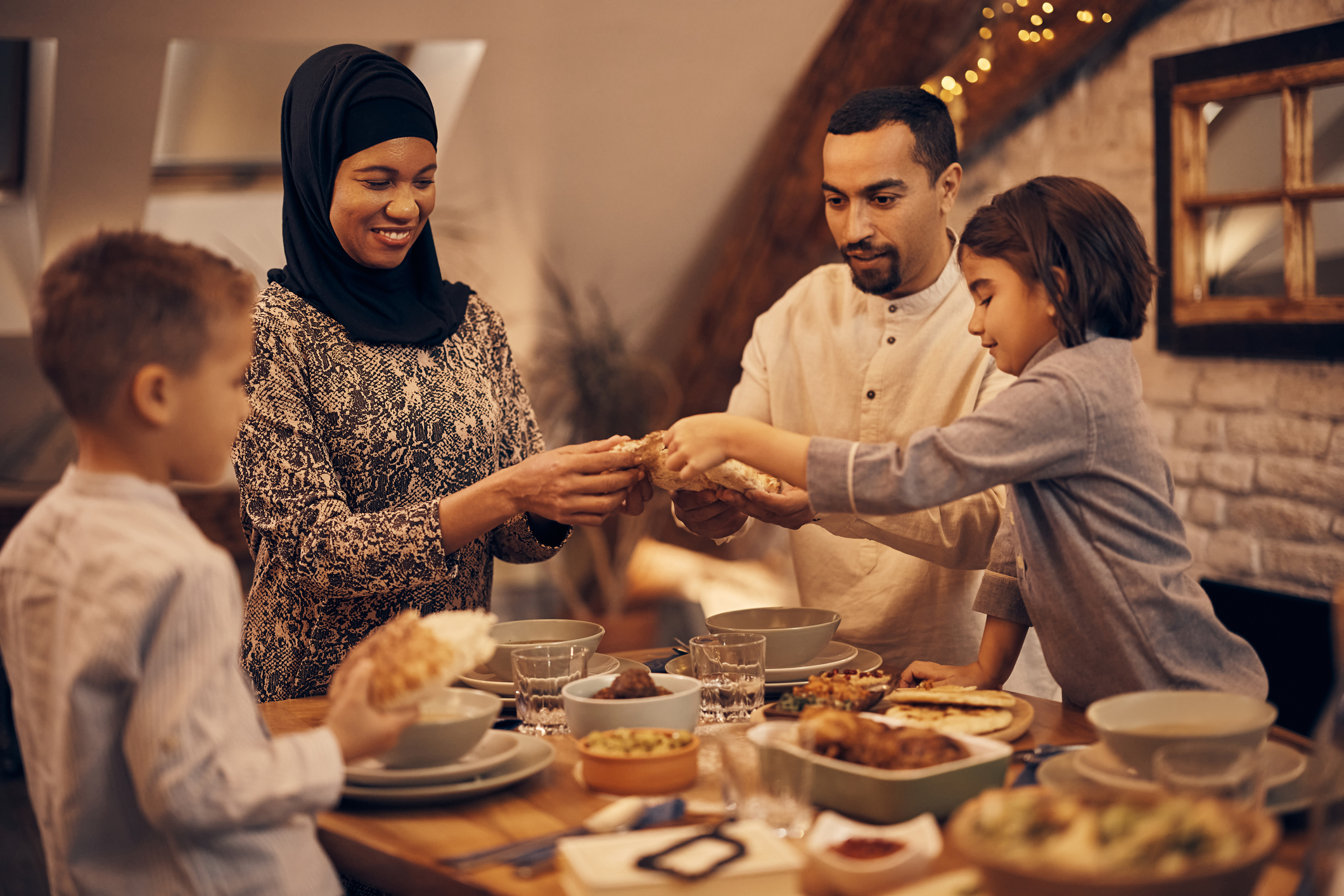
Children sometimes feel that their multiple identities are something to be managed quietly. The opposite is usually more helpful. Talk explicitly about what your child carries: the family languages, the religions, the holidays, the foods, the music, the relatives in different places. Make these part of the family’s daily vocabulary rather than topics reserved for awkward moments.
A child who hears their identities described warmly, often and casually grows up understanding that this richness is theirs.
Lean Into the Languages
Language is one of the most powerful anchors of cultural identity. Schools that prioritise innovation and creativity often offer access to high-quality multilingual education as part of their wider curriculum. JFK, with its international community and bilingual education, is one example of a school where multiple languages are part of the normal texture of the school week.
Wherever your child is schooled, protect time for the family language. A few minutes of bedtime reading. Weekend phone calls with grandparents in another country. A summer trip during which the language is in active use. These small habits keep the language alive, and with it the cultural connection.
Mark the Year
Cultures live in their calendars. The festivals, holidays, fasts, feast days and saint’s days that mark a year are how communities have always passed identity from one generation to the next. Mark the ones that matter to your family, even if simply.
- A traditional meal on the right day.
- A particular phone call to a grandparent on a religious anniversary.
- A specific song or prayer at a particular point in the year.
- A family ritual associated with a particular holiday, however small.
Children do not need elaborate celebrations. They need consistent, meaningful repetition.
When Cultures Conflict
Almost every dual-culture child eventually runs into a situation where two of their cultures point in different directions. A friend’s birthday party falls on a religious holiday. A school activity conflicts with a family tradition. A teenager wants to assert one identity over another.
These are not crises. They are negotiations, and they are usually best handled with conversation rather than rules. Acknowledge the tension. Ask the child what they would like to do. Help them think through what each choice means. Over time, this teaches them to make their own thoughtful decisions about how to carry multiple identities into adulthood.
Watch the Names
For many bicultural families, names are a quiet flashpoint. Some children have names from one tradition that are tricky for the country they live in. Others have multiple names used in different settings. Pay attention to how your child handles this.
Some children prefer to use the same name everywhere. Others use different names in different contexts. Both are valid. The thing to avoid is letting the world casually distort or shorten a name in a way the child has not agreed to. Stand up for their name, and they will learn to do the same.
The School Conversation
Schools vary enormously in how well they recognise multiple cultural identities. Schools like JFK, with strong international communities, tend to do this naturally. Other schools may need a gentle nudge to ask thoughtful questions, recognise particular holidays or include languages and stories from beyond the dominant culture.
If your child is in a school where their second culture is largely invisible, you can sometimes help by offering to share something with the class. A cooking demonstration. A reading. A short presentation. A traditional song. The act of bringing a piece of identity into the school and being met with curiosity is a powerful experience for a child.
The Long Reward
Children who grow up confident in multiple cultural identities become adults of unusual range. They can move between countries, friendship groups and professional settings with a kind of fluency that monocultural children sometimes lack. They have, in effect, a wider set of mental rooms to live in.
The work of helping them get there is mostly small, mostly quiet, and very much worth doing. For more on international and bilingual education, visit https://jfk.ch/.
About the Author
This article was contributed by JFK School, a leading international school in Switzerland with a strong bilingual, multicultural ethos and a global community of pupils and families.
Learn more: https://jfk.ch/


Leave a Reply