















Ensuring your home is safe is crucial, especially with young children around. Staircases, often overlooked, can pose significant risks if not properly secured. By focusing on child-friendly solutions, families can enhance their home’s safety without sacrificing style.
Your home should be a safe haven where safety is prioritised. With young children, every part of your house can become an exploration site, and staircases are often a focal point. These architectural features, while functional and aesthetic, require special attention to ensure they are safe for little explorers. The consideration of appropriate Stair Parts is essential in safeguarding these areas without compromising on design or utility.
Recognising common staircase hazards in homes
Staircases present various hazards that can be particularly dangerous for young children. Slips and falls are common accidents associated with stairs, often due to slippery surfaces or uneven steps. Additionally, open risers or gaps between balusters can pose entrapment risks for small hands and feet. These dangers necessitate thoughtful design modifications to mitigate risks effectively.
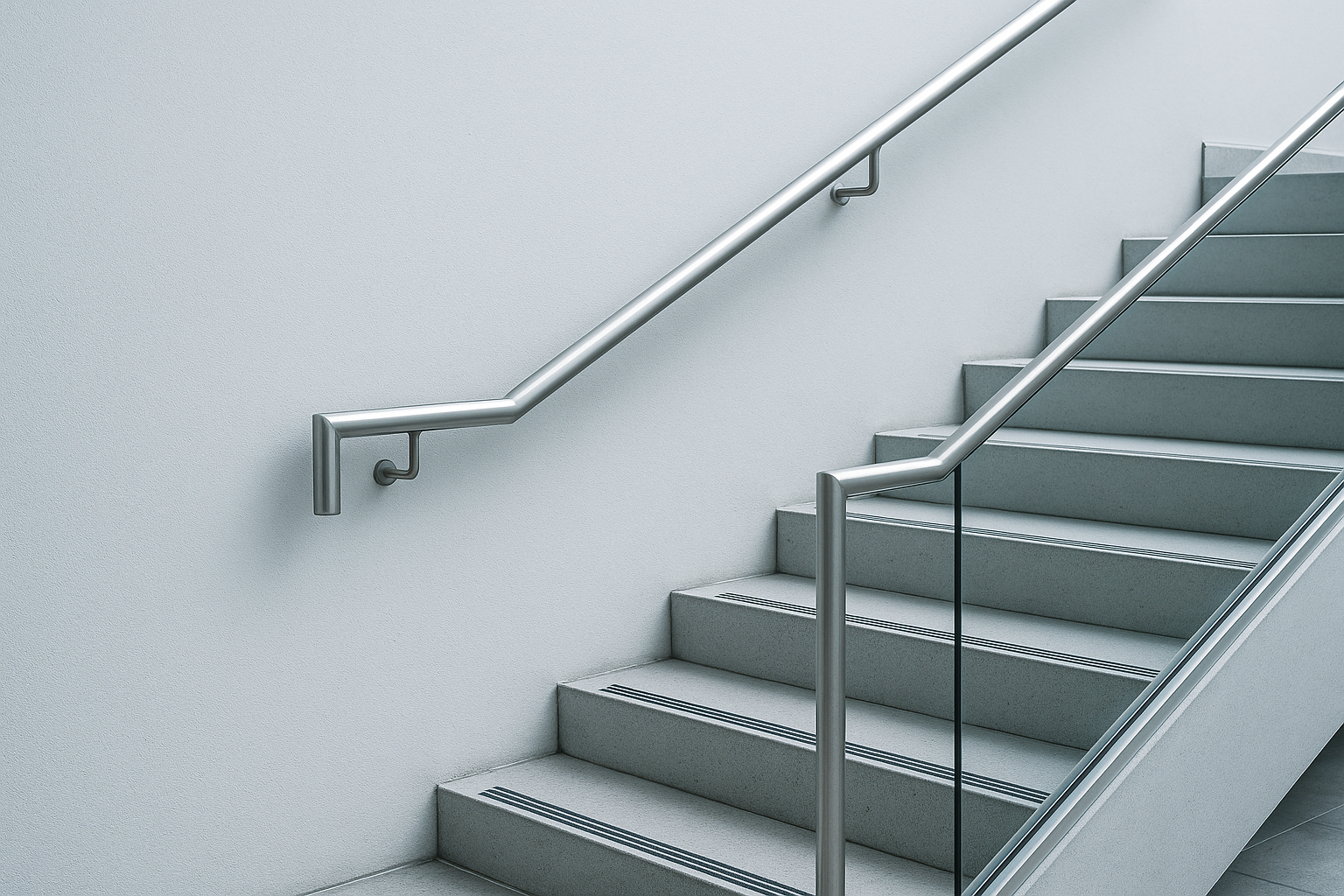
Reducing these hazards can be achieved by installing non-slip surfaces on each step. Materials such as carpet runners or adhesive strips can provide additional grip, reducing the likelihood of falls. Moreover, ensuring that the balustrades are close enough together prevents children from squeezing through or getting stuck.
Modifying existing stair designs can also involve adding safety gates at both the top and bottom of the staircase. These gates act as barriers, preventing unsupervised access to potentially hazardous areas. By implementing these safety features, you significantly decrease the chances of accidents occurring in your home.
Choosing safe and durable materials for staircases
The choice of materials for your staircase is crucial in ensuring safety without sacrificing durability. Opting for materials that provide non-slip properties is essential in preventing accidents. Wood with a textured finish or rubber flooring are excellent choices that offer both style and functionality.
In addition to surface materials, consider using rounded edges for steps and handrails. This small design adjustment can prevent injuries from sharp corners, making the staircase more child-friendly. Furthermore, selecting robust materials that withstand wear and tear will ensure longevity and continued safety.
Consulting with professionals when choosing these materials ensures they meet safety standards and blend well with your home’s overall design. This collaboration ensures that your staircase is not only safe but also aesthetically pleasing.
Installation tips for improved staircase safety
Proper installation of safety features is key to maximising their effectiveness in preventing accidents on staircases. When installing handrails, ensure they are at a suitable height for both adults and children, providing support for everyone using the stairs.
The placement of safety gates must be secure and easy to operate by adults but difficult for children to tamper with. It is advisable to select gates that have a locking mechanism out of reach of little hands yet convenient for adult use.
Regularly check that all installations remain firmly in place over time. Loose fixtures can compromise the overall safety of the staircase, so periodic maintenance checks are recommended to keep everything secure and functional.
Designing staircases that balance aesthetics with family needs
Balancing style with functionality is possible when designing a family-friendly staircase. Consider incorporating elements like recessed lighting along the stairs for better visibility during nighttime use without disrupting the design theme.
Choosing colours and finishes that complement your home’s decor while maintaining visibility of each step’s edge can enhance both aesthetics and safety. Contrast colours on stair edges can alert users to changes in level, thereby preventing trips or falls.
Integrating these thoughtful design considerations ensures that your staircase serves its purpose safely while contributing positively to your home’s overall aesthetic appeal.
Maintaining staircase safety over time
Maintaining staircase safety over time requires regular checks and updates. Ensuring that handrails remain sturdy and surfaces retain their non-slip properties is crucial as wear occurs naturally over time.
A clutter-free staircase is another essential factor in preventing accidents. Toys or other objects left on stairs can cause trips and falls; therefore, fostering habits such as tidying up regularly helps maintain a safe environment.
This proactive approach not only preserves the integrity of your stair safety features but also instills valuable habits in young family members about keeping shared spaces safe and orderly.


Leave a Reply