










Toys are an essential part of childhood, fostering imagination, creativity, and skill development. They offer countless hours of fun, entertainment, and education. However, ensuring that these toys are safe is paramount. Accidents involving toys can range from minor scrapes to more serious injuries, and, in extreme cases, they may even be life-threatening. In recent years, child toy safety has become a priority for manufacturers, parents, and regulatory bodies alike. This article explores the importance of toy safety, the potential hazards, and what parents and guardians can do to keep their children safe.
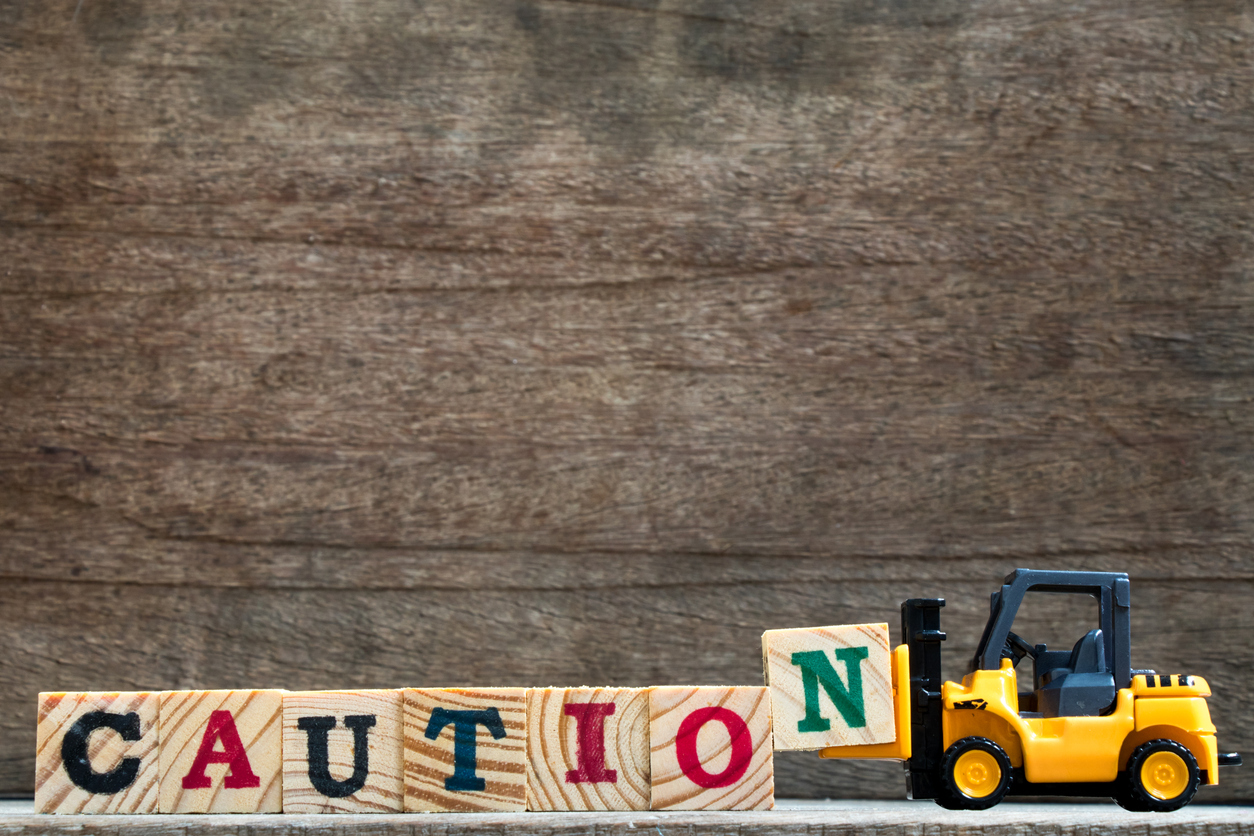
The Importance of Child Toy Safety
Toys are designed to entertain and educate children, but poorly designed or unsafe toys can result in tragic accidents. With millions of toys produced and sold worldwide each year, the risk of injury can be high. According to the Consumer Product Safety Commission (CPSC), over 200,000 toy-related injuries occur annually in the United States alone. Many of these injuries could be avoided if toy safety regulations were followed carefully and if parents and guardians took the time to assess toys for potential dangers.
While some toys are designed for specific age groups, others may not be suitable for children in certain developmental stages. Children under the age of three, for example, tend to put objects in their mouths, which makes small parts a choking hazard. Older children may be at risk of injuries from toys with sharp edges or those that encourage risky behavior. As such, toy safety involves understanding both the inherent risks posed by specific toys and how to mitigate them.
Common Toy Hazards
There are several types of hazards associated with toys. These include:
1. Choking Hazards
Small parts, such as buttons, marbles, and beads, are often found in toys designed for older children. However, these small objects can be dangerous if they are accidentally swallowed or inhaled by younger children. In fact, choking is the leading cause of toy-related injuries in children under the age of three. To prevent choking, it is crucial to select toys that are appropriate for a child’s age and developmental stage. The CPSC recommends that toys for children under three years old should not contain small parts that can fit into a choke tube (a cylinder with a 1.25-inch diameter).
2. Toxic Materials
Some toys, particularly imported ones, may contain harmful substances such as lead, phthalates, or BPA (bisphenol A). These chemicals can be harmful to a child’s health and development, especially if ingested or if they come into prolonged contact with the skin. In recent years, regulatory agencies like the CPSC have implemented stricter guidelines to ensure that toys meet safety standards and are free of toxic materials. Parents should check for certification marks or labels indicating that the toy complies with safety regulations.
3. Sharp Edges and Points
Toys with sharp edges or points—such as those made of metal or plastic—pose a risk of cuts and puncture wounds. These types of injuries can occur if a child falls on or handles a toy improperly. It is important for toys designed for younger children to be made of soft, rounded materials or to have protective covers over any sharp areas.
4. Strangulation Risks
Toys that include long strings, cords, or ribbons can present a strangulation risk. This is especially true for stuffed animals, baby dolls, or other toys designed for younger children. Manufacturers are aware of this danger and often include safety warnings on these toys, such as restricting their use for children over a certain age. Parents should always inspect toys for any long cords or strings that could pose a danger.
5. Projectile Hazards
Some toys, like dart guns or slingshots, can shoot small projectiles. While these toys may be exciting for older children, they can be hazardous if used improperly. Injuries to the eyes or face are common in these cases. Safety features such as protective goggles or soft projectiles can reduce the risk of injury.
What Can Parents and Guardians Do?
The responsibility of ensuring toy safety lies not only with manufacturers but also with parents, guardians, and caregivers. Here are some steps to ensure that children’s toys are safe:
1. Check Age Recommendations
Always check the age recommendations on toy packaging. Toys are tested for safety based on the developmental stage of the child. Selecting age-appropriate toys helps minimize the risks of choking, injury, or other accidents.
2. Inspect Toys Regularly
Even if a toy is new, it is important to inspect it regularly for wear and tear. Toys can break or degrade over time, which could create new safety hazards. If a toy is damaged or shows signs of being unsafe, it should be discarded immediately.
3. Follow Safety Guidelines
Ensure that toys are assembled properly and that safety instructions are followed. If a toy requires batteries, make sure the battery compartment is securely closed to avoid exposure to small batteries, which can be dangerous if swallowed.
4. Educate Children
Children, particularly older ones, should be educated about how to use their toys safely. Encourage them to play responsibly, avoiding activities that could result in injury, such as throwing or misusing certain types of toys.
5. Be Aware of Recalls
Stay updated on toy recalls issued by safety organizations like the CPSC. If you find that a toy in your household is recalled, stop using it immediately and return it for a refund or replacement.
Toys are an important part of childhood development, providing opportunities for learning, socialization, and creative expression. However, ensuring that these toys are safe is crucial to preventing accidents and injuries. By staying informed about the potential hazards and following safety guidelines, parents and caregivers can ensure that children enjoy their toys in a safe and secure environment. The collective effort of manufacturers, safety regulators, and parents is essential in maintaining the highest safety standards and keeping children safe while they play.
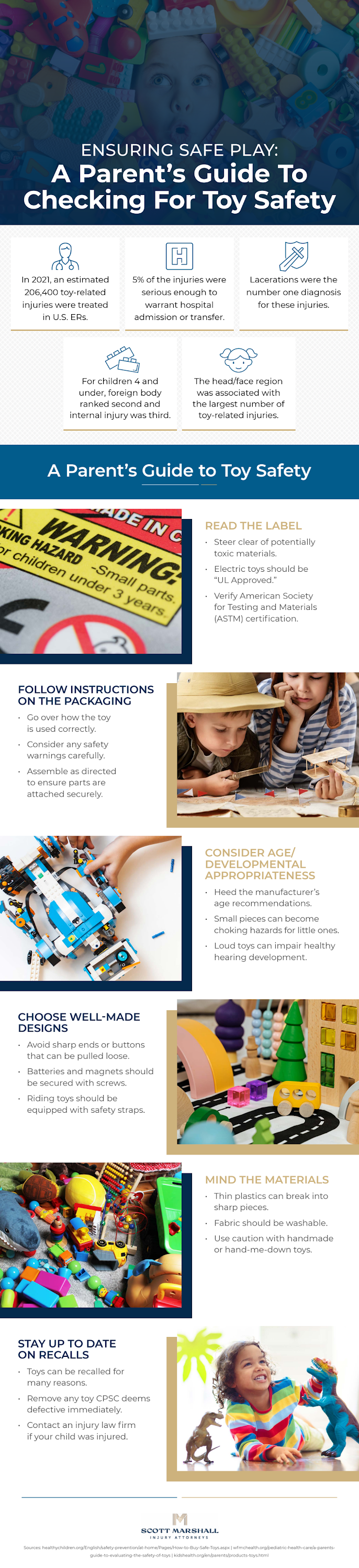 Infographic provided by Scott Marshall Injury Attorney, one of the top product liability lawyers in Florida


Leave a Reply