

















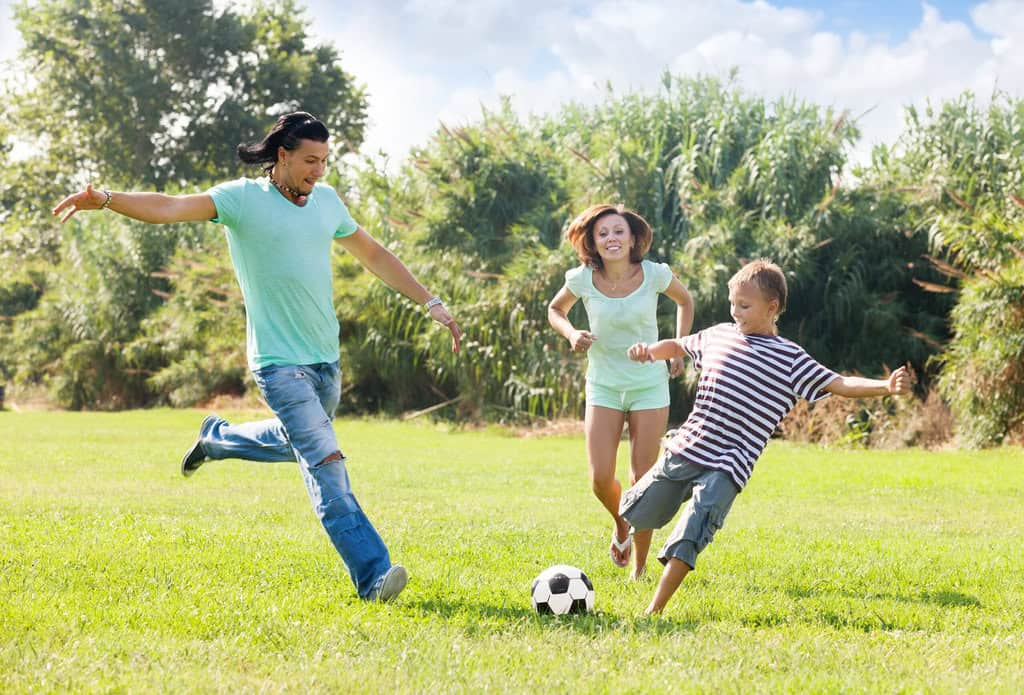
Family sports are a powerful tool for boosting health and wellness across all ages. By engaging in physical activities together, families can enhance their fitness, strengthen emotional bonds, and improve mental well-being. Let’s explore how family sports contribute to overall health and provide practical advice for incorporating them into daily life.
Unlock the Physical Health Goldmine
Participating in family sports offers a treasure trove of physical health benefits. Regular activities like cycling, swimming, and running strengthen the heart muscle, improve circulation and reduce the risk of cardiovascular diseases.
Additionally, weight-bearing sports such as hiking, basketball, or tennis build strong bones and muscles, key for preventing osteoporosis and fractures. Wearing suitable sportswear like custom-made lax breeches can increase comfort and ease during these activities, contributing positively to the overall experience.
Family sports help with weight management by burning calories and increasing metabolic rate. Activities that focus on flexibility and coordination, like yoga or dance, improve joint range of motion and enhance overall body coordination.
Boosting Mental Health Through Sports
Family sports significantly enhance mental well-being through various mechanisms. First and foremost, physical activity triggers the release of endorphins, natural mood lifters that reduce stress and anxiety.
In addition to these immediate benefits, regular participation in family sports improves mood and emotional health over time. The combination of social interaction and physical activity can help mitigate symptoms of depression and promote a positive outlook.
Another key advantage is that family sports enhance self-esteem and confidence, particularly in children and adolescents. The supportive environment encourages individuals to push their limits and achieve personal goals, building a strong sense of self-worth.
| Safety First: Always prioritize safe practices in sports, proper gear, warm-ups, cool-downs, and a safe environment for play. This will ensure injury prevention and a safe sporting experience. |
Fostering Unity with Family Sports
Family sports are a powerful catalyst for fostering teamwork and cooperation among family members. At their core, these activities require participants to work together towards common goals, enhancing their ability to collaborate and communicate effectively.
Shared objectives in family sports necessitate collective effort and strategic planning, cultivating a sense of unity and mutual support. Building on this foundation, role allocation in various sports requires each member to understand and respect their role, further enhancing their ability to work as a cohesive unit.
In addition to these benefits, trust-building is another fundamental teamwork component in family sports.
The emotional support provided during sports activities significantly enhances teamwork, boosting morale and motivation.
Families can try the following activities:
- Relay Races: Family members take turns running, relying on each other’s performance to succeed, promoting teamwork and encouragement.
- Team Sports: Games like soccer or basketball help families coordinate and communicate as they work toward a common goal.
- Tug-of-War: This requires a unified effort and teaches the importance of teamwork and combined strength.
- Scavenger Hunts: Teams solve clues together, improving communication and cooperation.
Enhancing Communication through Family Sports
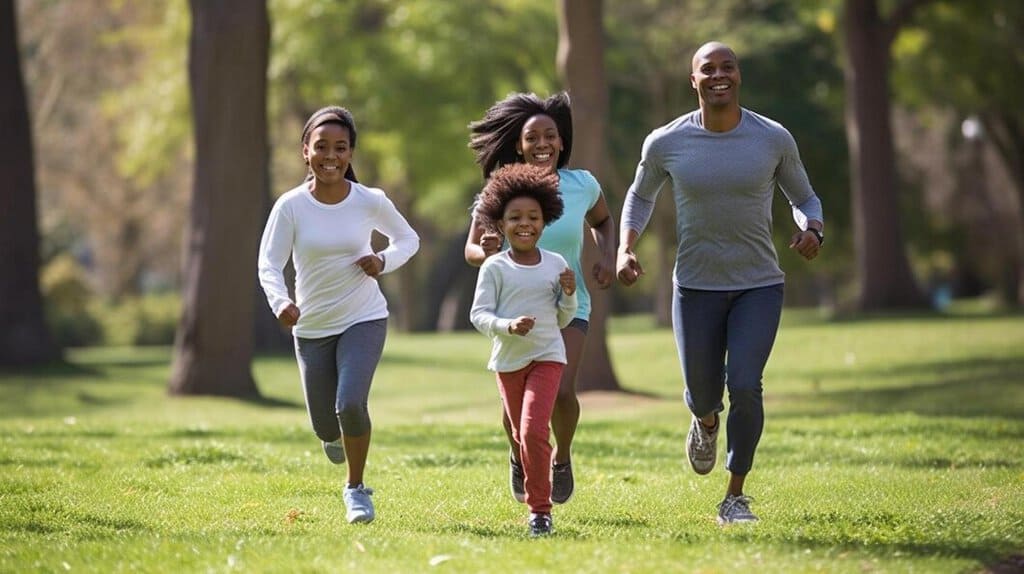
Photo by mockupdaddy-com on Freepik
Family sports serve as an effective conduit for enhancing intrafamily communication. By focusing on shared goals and objectives during these activities, family members are encouraged to discuss strategies, plan jointly, and align their efforts towards a common mission, promoting an open dialogue and collaboration environment.
Secondly, the nature of sports activities often necessitates the exchange of instructions, thus fostering active listening skills. Consequently, family members find themselves more attuned to each other’s inputs and are equipped to offer thoughtful feedback.
In the mix of playing and strategizing, disagreements could arise. Rather than being setbacks, these instances become valuable opportunities for practicing conflict resolution skills in a supportive, controlled environment.
Family sports also serve as a healthy platform for family members to express emotions such as excitement, frustration, or encouragement. This emotional transparency ultimately contributes to the participants’ more profound understanding and empathy, cultivating an emotionally healthier family unit.
Cultivating Lifelong Bonds through Sports
The emotional highs and lows experienced during sports bring family members closer, fostering a sense of unity and mutual support. These shared experiences strengthen emotional bonds, contributing to a collective family narrative.
Moreover, family sports require a high degree of trust and cooperation. Whether it’s trusting a family member to catch a ball or relying on them to follow through with a game plan, these activities build a solid trust foundation. Consequently, they reinforce the importance of teamwork, which extends far beyond the playing field.
In addition to building trust, regular participation in family sports can instill a lifelong commitment to physical activity. When children grow up in an environment where physical activity is valued and enjoyed, they are more likely to continue these healthy habits into adulthood.
| Healthy Competition: Encourage a competitive spirit, but make sure it remains healthy and fun. It should instill sportsmanship rather than hostility. |
Making Sports Enjoyable for All
Family sports provide an excellent opportunity to bond while promoting health and teamwork. However, ensuring that everyone, regardless of age or ability, feels included requires thoughtful planning. By tailoring activities to suit diverse preferences, families can create a fun and supportive environment where all members thrive.
Diverse Activities
Cater to all ages by offering various sports and physical activities that appeal to different interests and abilities. This ensures that family members, young and old, stay engaged in physical activity. A wide range of activities encourages everyone to find their niche, leading to greater participation.
Friendly Competition
Introduce age-appropriate challenges and friendly competitions to keep things fun and motivating. Implement simple reward systems to enhance participation and ensure that no one feels left out. Rewards can also foster healthy competition while promoting skill development for different age groups.
Mixed-Age Teams
Form mixed-age teams to encourage cooperation and learning among family members. Younger children learn from older ones, boosting teamwork and bonding within the family. Additionally, this helps everyone feel a sense of responsibility and involvement in the activity.
Simplified Rules
Modifying traditional sports rules can make games easier and more accessible to players of all ages. Examples include reducing game duration or simplifying scoring systems. Adapted rules ensure that activities remain fun, non-intimidating, and inclusive for all family members.
Feedback and Adaptation
Regularly gather feedback from all family members to ensure activities remain enjoyable and relevant. This allows for timely adjustments, ensuring sports cater to evolving interests and abilities. Flexibility helps keep the entire family engaged over time as preferences and skill levels change.
Driving Bonds and Wellness through Family Sports
The key to successful family sports lies in versatility, adaptability, and open communication. By consistently applying these principles, families can create a positive and engaging sports experience that caters to all ages and abilities. This will ultimately strengthen family bonds and promote a healthy, active lifestyle for years to come.


Leave a Reply