















At three months old, many babies begin moving out of the newborn stage toward a more predictable rhythm of awake time, naps, and nighttime sleep. One of the biggest keys to helping this transition is mastering 3 month old wake windows — the amount of time your baby can comfortably stay awake between sleep periods. Get this right, and naps are smoother, night sleep improves, and fussiness decreases. Get it wrong, and overtiredness can set in quickly, making sleep harder to find.
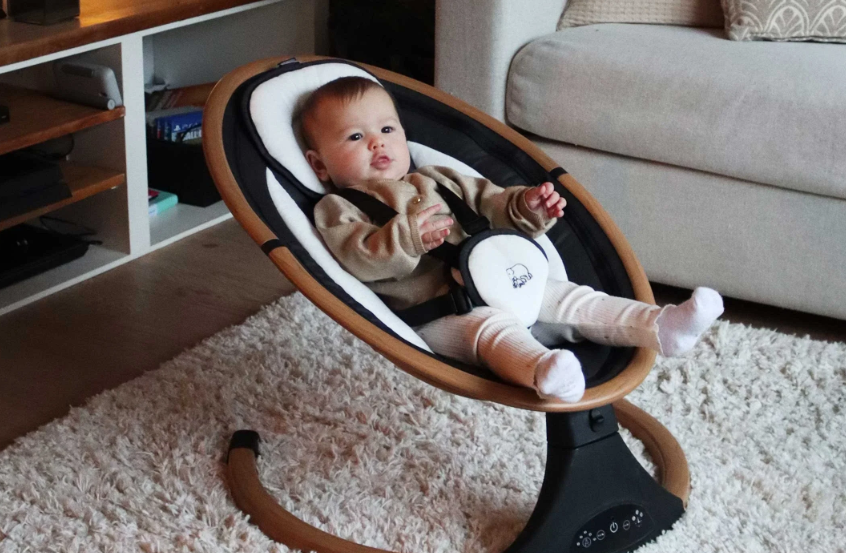
Understanding wake windows empowers you to work with your baby’s biological needs rather than against them. Instead of watching the clock rigidly, you’ll learn to respond to cues, adjust based on temperament, and use soothing strategies — like a gentle powered swing between naps — to keep your baby calm during awake periods.
What Are Wake Windows?
A wake window is the amount of time your baby can stay awake between sleeps — not counting feeding time, but from fully awake after a sleep until the next nap or bedtime. Wake windows matter because they help prevent:
- Overtiredness (which leads to fussiness and short naps)
- Underslept episodes that disrupt nighttime sleep
- Increased cortisol and stress responses in babies
- Patterns that make sleep harder the next day
At three months, babies are transitioning out of the newborn stage of short, frequent sleep cycles into longer, more predictable blocks. Sleep still dominates much of the day, but wake windows are expanding compared to the first eight weeks.
Typical 3 Month Old Wake Windows
At around three months, most babies can comfortably stay awake for:
Wake Window Ranges by Time of Day
| Time of Day | Typical Wake Window |
| Morning | 60–90 minutes |
| Midday | 60–90 minutes |
| Afternoon | 60–90 minutes |
| Pre-bedtime (evening) | 60–90 minutes |
These windows are general guidelines — not strict rules — and may differ slightly depending on your baby’s temperament, feeding schedule, and overall health. Some babies lean closer to 50–60 minutes, others closer to 90 minutes before showing sleep cues.
Why Wake Windows Change at 3 Months
Several developmental shifts influence longer wake windows around three months:
1. Maturing Sleep Cycles
Sleep cycles lengthen, and light vs. deep sleep phases begin to resemble adult patterns more closely. This helps create longer potential stretches of awake time between sleep segments.
2. Increased Alertness
Babies are more curious and responsive at three months. Their growing interest in surroundings means their brains stay engaged longer — but only up to a point.
3. Improved Day–Night Awareness
Circadian rhythms start taking shape more strongly, helping babies distinguish daytime from nighttime sleep more effectively.
These changes mean that your baby may be ready for slightly longer wake periods compared to the newborn phase — and they’re an invitation to tune in to your baby’s individual rhythm.
Recognizing Sleep Cues
Rather than counting exactly 60–90 minutes every time, watching your baby’s behavioral sleep cues helps you catch tiredness early — before overtiredness builds.
Common 3-month sleep cues:
- Rubbing eyes or ears
- Yawning
- Staring off or seeming less engaged
- Fidgeting or slowed movements
- Fussiness or whining
- Turning head away from stimulation
Crying is a late sign of tiredness. Catching earlier cues usually leads to easier settling and longer nap durations.
Sample 3 Month Old Schedule
Below is a sample day to show how wake windows can work in practice. Adjust based on your baby’s wake/sleep cues.
Sample Schedule:
- 7:00 AM — Wake & Feed
Awake: 60–90 minutes - 8:30–9:00 AM — Morning Nap
(Nap: 45–90 minutes) - 10:30 AM — Wake & Feed
Awake: 60–90 minutes - 12:00–12:30 PM — Midday Nap
(Nap: 45–90 minutes) - 2:00 PM — Wake & Feed
Awake: 60–90 minutes - 3:30–4:00 PM — Afternoon Nap
(Nap: 30–60 minutes) - 5:30 PM — Wake & Feed
Awake: 60–90 minutes - 7:00 PM — Bedtime Routine
(Night Sleep Starts)
Note: Some babies may still power nap 30–45 minutes in the afternoon. That’s normal at this age.
How Feeding Influences Wake Windows
Feeding and wake windows are closely linked. A hungry baby may fall asleep quickly — not because they’re tired, but because feeding triggers sleepiness. Conversely, a baby who is full may stay awake longer but risk overtiredness.
Feeding and Sleep Tips:
- Feed first, then start the wake timer from when your baby is fully alert after feeding
- Watch for cues — not just the clock
- If a nap seems “forced” (baby turns away from sleep cues), try a shorter wake window
- Keep feeding calm and consistent — over-stimulating feeds can delay sleep
Sleep Environment and Its Role in Wake Windows
A supportive sleep environment helps babies wind down at the right times.
Sleep environment essentials:
- Dark or dim room for naps and night sleep
- White noise or gentle sound machine to mask sudden noises
- Comfortable temperature (68–72°F / 20–22°C)
- Safe sleep setup: firm mattress, no loose bedding, no stuffed animals
For some babies, motion during awake periods helps soothe fussiness — a powered swing with gentle rhythmic motion can provide support between feeds and before naps, particularly on tougher days.
Avoiding Overtiredness
Overtired babies are paradoxically harder to settle and more prone to short naps, night wakings, and crankiness.
Signs of overtiredness:
- Crying more intensely than usual
- Arching back or stiffening body
- Short, fragmented naps
- Difficulty settling even with strong cues
To avoid overtiredness:
- Watch for early sleep cues
- Don’t wait too long before offering a nap
- Stick loosely to wake window ranges even if days feel unpredictable
If wake windows stretch too long repeatedly, try shortening them slightly for a few days and observe changes.
Undersleeping vs. Oversleeping: Finding the Balance
At 3 months, babies can sometimes nap too freely or resist naps entirely.
Signs of undersleeping:
- Short, restless naps
- Fussiness that escalates before sleep
- Frequent night waking
Signs of oversleeping:
- Long naps that push bedtime too late
- Short nighttime sleep
- Difficulty settling at night due to overtiredness
Balancing nap lengths and wake windows helps keep naps restorative without disrupting nighttime sleep.

The Role of Activity and Alert Time
During wake windows, gentle stimulation helps your baby learn, explore, and burn energy in appropriate amounts.
Activities during awake time:
- Tummy time
- Visual tracking toys
- Gentle interaction (talking, singing)
- Calm movement or rhythm time
- Gentle rocking or supervised floor play
A powered swing can provide soothing motion that supports alert time — especially during fussy periods — but should not replace supervised play and tummy time, which are essential for development.
Sleep Regression at 3 Months
Many parents notice a “sleep regression” around 3–4 months — increased fussiness, disrupted naps, or shorter night sleep.
This is often a developmental shift rather than a problem:
- Sleep cycles change from newborn to more adult-like patterns
- Wake windows lengthen slightly
- Neurological growth increases alertness
During this phase, sticking to wake window cues, consistent routines, and gentle responsiveness helps babies adapt.
When to Contact Your Pediatrician
Most wake window challenges are normal variations of development. However, consult a doctor if:
- Your baby shows extreme irritability
- There’s poor weight gain or feeding concerns
- Sleep patterns change suddenly and significantly
- Signs of reflux or discomfort accompany sleep
A pediatrician can rule out medical issues and offer tailored guidance.
Final Thoughts
Understanding 3 month old wake windows helps you make smarter choices about nap timing, feeding alignment, and overall baby rhythm. At this stage, wake windows tend to range between 60–90 minutes, but the best guide is your baby’s behavior and cues.
When you respond to tired signs promptly, keep naps consistent, and create calm sleep environments, you’ll see more predictable sleep patterns — which means more rest for both you and your baby.
Tools like a powered swing with gentle motion can offer soothing support between feeds and naps, but should be used in balance with enriched awake time, supervised play, and gradual sleep independence.


Leave a Reply