








Moving to a new home is an exciting yet challenging experience. Whether you’re relocating to a smaller space or simply aiming to declutter before a big move, downsizing is an essential step.
Sorting through years of accumulated belongings can be overwhelming, but with the right approach, it becomes a manageable and even liberating process. Proper downsizing not only helps streamline your move but also ensures you start fresh in your new home with only the essentials.
The key to successful downsizing is having a clear strategy. This involves assessing what to keep, what to donate, and what to discard. Additionally, adopting smart organizational techniques can help you maximize space while minimizing stress.
Taking a systematic approach, setting realistic goals, and allowing yourself enough time for the process can make a significant difference. Downsizing is not just about getting rid of things—it’s about making intentional choices to create a more functional and clutter-free living environment.
Below are the best ways to downsize efficiently before your move.
Planning Your Move for an Organized Transition
Before diving into the decluttering process, it’s crucial to have a solid moving plan. This will give you a structured approach and prevent unnecessary stress. One of the best ways to stay on top of your move is to get in touch with a local moving company to ensure a seamless, hassle-free experience.
Professional movers can provide valuable guidance on packing efficiently, handling fragile items, and managing transportation logistics. Having expert assistance can significantly reduce the burden of moving, allowing you to focus on decluttering and organizing your belongings.
Assessing Your Belongings with a Practical Approach
The first step to effective downsizing is assessing what you own. A room-by-room evaluation helps you determine which items are essential and which ones no longer serve a purpose.
- Start with the Least Used Areas – Begin by decluttering storage spaces such as attics, basements, and spare rooms. These areas typically house items that are not in daily use, making it easier to identify unnecessary belongings.
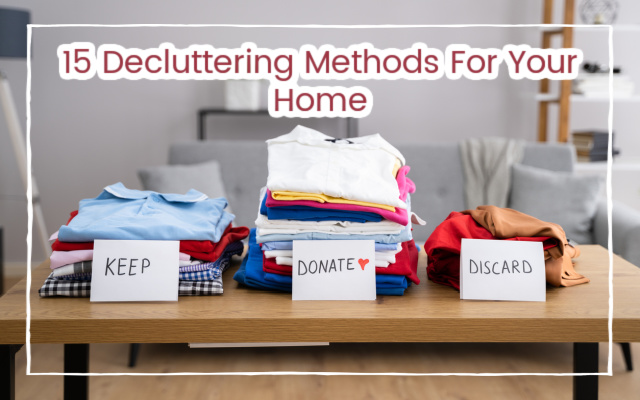
- Sort Items into Categories – Create separate piles for items to keep, donate, sell, or discard. This classification simplifies the decision-making process.
- Ask Yourself the Right Questions – If you haven’t used an item in over a year, chances are you don’t need it. Consider whether the item is valuable, sentimental, or functional in your new home.
Selling Items to Lighten Your Load
Selling unused or unwanted items is an excellent way to downsize while making some extra cash. Holding a garage sale, listing items on online marketplaces, or using consignment stores are great options to consider.
- Online Marketplaces – Platforms like Facebook Marketplace and eBay allow you to reach a wider audience by selling gently used furniture, electronics, and household items.
- Consignment Shops – If you have high-quality clothing, accessories, or furniture, consignment shops offer a way to sell these items while getting a fair return.
- Community Sales – Hosting a neighborhood sale can attract local buyers and help you clear out multiple items in one go.
Donating to Charities and Community Organizations
If selling items is not a priority, donating is a great alternative. Many charitable organizations accept clothing, furniture, and household goods to support those in need. Before donating, ensure the items are in good condition and suitable for use.
- Local Shelters and Nonprofits – Many organizations accept clothing, furniture, and household essentials for families in need.
- Thrift Stores – Secondhand stores welcome a variety of gently used goods and often support community programs with their proceeds.
- Libraries and Schools – Books, office supplies, and learning materials can be donated to local institutions, where they will be put to good use.
Digitizing Documents and Sentimental Items
Paper clutter can take up an unnecessary amount of space. Scanning important documents and saving them digitally reduces paper waste while keeping records organized.
- Use Cloud Storage – Upload essential documents to a secure cloud-based service to ensure easy access when needed.
- Digitize Photographs and Memorabilia – Scanning old photos and creating digital albums allows you to preserve memories without keeping physical copies that take up space.
Adopting Minimalist Packing Techniques
Once you’ve downsized your belongings, adopting minimalist packing techniques can help you move efficiently. Using space-saving methods ensures that you only bring what is necessary to your new home.
- Use Vacuum-Sealed Bags – These are ideal for compressing bulky items like clothing and bedding.
- Pack by Priority – Label boxes clearly and keep essential items in an easily accessible bag.
- Limit Duplicates – Avoid bringing multiple items of the same category, such as kitchen utensils, towels, or bedding.
Properly Disposing of Unwanted Items
Some items may not be suitable for donation or resale. In such cases, responsible disposal is necessary.
- Recycling Centers – Old electronics, appliances, and scrap materials should be recycled rather than discarded.
- Hazardous Waste Disposal – Items like paint, batteries, and cleaning chemicals require special disposal methods. Check local guidelines for proper procedures.
- Bulk Trash Pickup – If you have large furniture or other items that cannot be donated, arrange for bulk waste collection.
Avoiding Emotional Attachment to Unnecessary Items
One of the biggest challenges when downsizing is letting go of sentimental items. While it’s important to preserve meaningful belongings, keeping unnecessary items due to emotional attachment can lead to clutter.
- Keep Only the Most Meaningful Items – Choose a select few sentimental items that truly hold value rather than keeping everything.
- Take Photos of Memorabilia – If you’re struggling to part with certain objects, taking photos of them allows you to preserve the memories without keeping the physical items.
- Pass Down Keepsakes – If an item has sentimental value but is not useful in your new home, consider giving it to a family member or close friend who will appreciate it.
Setting Limits for Future Purchases
After successfully downsizing, it’s important to maintain a clutter-free lifestyle in your new home. Setting limits on future purchases helps prevent unnecessary accumulation of items.
- Adopt a One-In, One-Out Rule – For every new item you bring into your home, remove an old one to maintain balance.
- Prioritize Quality Over Quantity – Investing in high-quality items reduces the need for frequent replacements and prevents excessive accumulation.
- Avoid Impulse Buying – Before making a purchase, consider whether the item is essential or if it will contribute to clutter.
All in all, downsizing before a move can be a transformative process that leads to a more organized and stress-free relocation. By carefully assessing your belongings, selling or donating unwanted items, digitizing important documents, and adopting efficient packing strategies, you can ensure a smooth transition.
Letting go of unnecessary possessions not only makes the move easier but also helps you embrace a simpler, clutter-free lifestyle in your new home.


Leave a Reply