













Retirement used to mean staying in the family home for as long as possible, even after the stairs became more difficult to manage and maintaining the garden felt more like a burden than a pleasure. Today, that mindset is changing. More couples are choosing to sell their homes and move to retirement villages designed specifically for this new stage of life, rather than waiting until health concerns or changing circumstances force the decision.
This growing trend reflects more than a personal preference; it mirrors broader demographic changes and evolving attitudes toward retirement living. Rather than asking whether it is time to move, many couples are now asking where they want to spend the next twenty or thirty years and what kind of lifestyle they want to enjoy.
For many, the answer is a retirement village. These communities are designed to offer comfort, convenience, and opportunities to stay socially connected, while removing many of the maintenance responsibilities associated with traditional homeownership. As a result, retirement village living is becoming an increasingly attractive option for couples looking to enjoy an active, secure, and fulfilling retirement together.
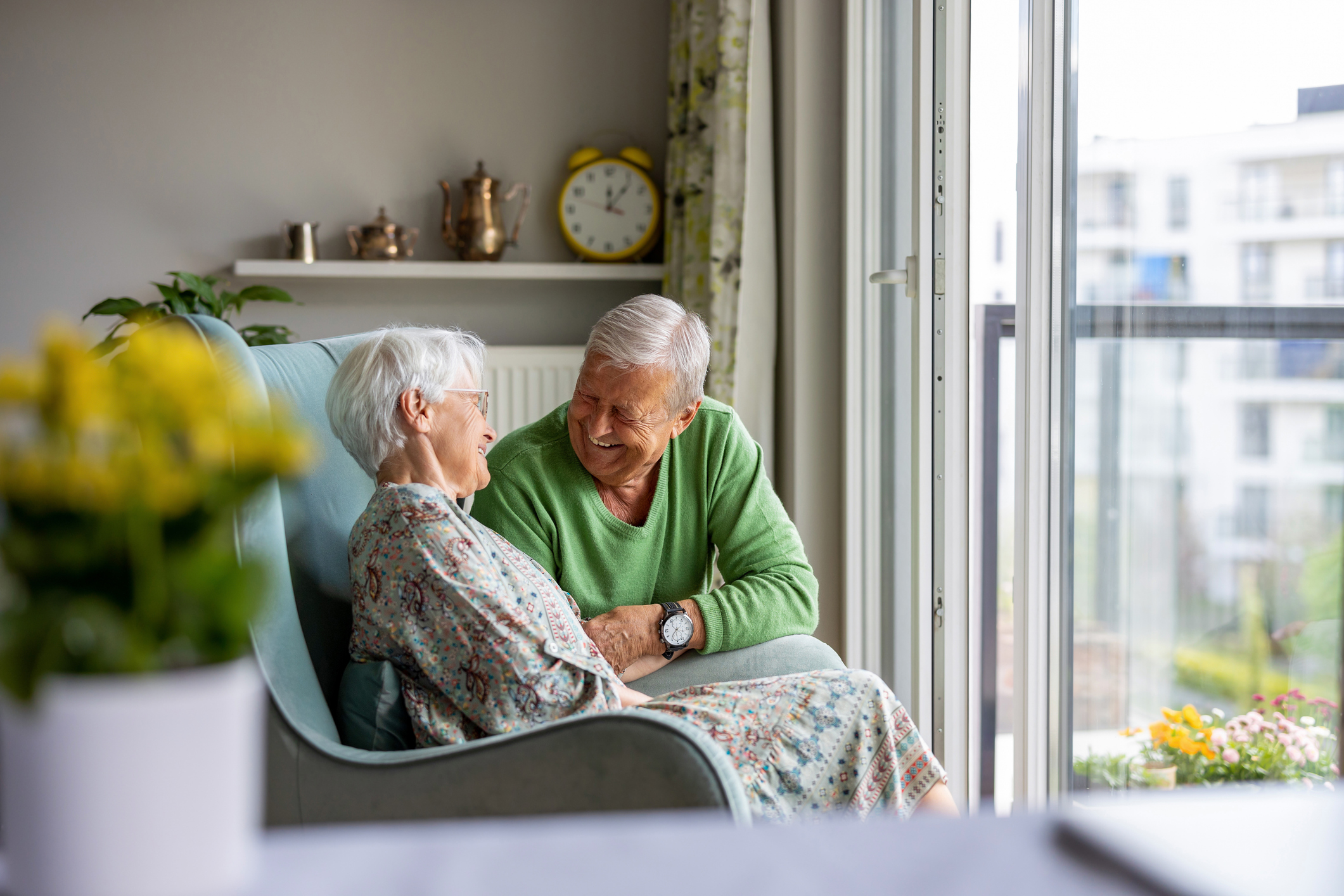
1. Downsizing Together Feels Less Lonely
One of the biggest draws for couples is doing this move as a team rather than facing it alone later on. Selling a big family home and packing up decades of memories is emotional enough without doing it solo. Couples who make the move together often describe it as one last big adventure they get to share, rather than a stressful, isolating chore.
There is also a practical side to this. Moving as a pair means splitting the workload, supporting each other through the emotional parts, and settling into a new community side by side instead of navigating it separately.
Many couples also say the process itself brought them closer, sorting through old photos and deciding what to keep together, rather than one partner facing that task alone years down the line after losing a spouse.
2. Maintenance-Free Living Frees Up Time
After decades of mowing lawns, fixing gutters, and managing repairs, a lot of couples are simply done with home maintenance. Retirement village living typically includes upkeep of shared grounds and buildings, which means weekends stop revolving around chores.
This extra time often gets redirected toward things couples actually enjoy, such as:
- Traveling without worrying about who is watching the house
- Picking up hobbies that got pushed aside during working years
- Simply spending more relaxed time together without a long chore list hanging over the weekend
3. Built-In Community Reduces Isolation
Loneliness becomes a real concern as friends move away, retire to different areas, or become less mobile themselves. Retirement villages are built around shared spaces, clubs, and regular social events, which makes it much easier to build new friendships without having to seek them out constantly.
For couples, this often means both partners get their own social circles too, not just shared friends as a pair. That balance of togetherness and independence tends to make daily life feel fuller rather than more isolated.
It also takes some of the pressure off each partner to be the other’s only source of company day to day. Having separate hobbies, clubs, or friend groups within the same community tends to keep relationships feeling fresh rather than overly dependent on one another for every social need.
4. Future-Proofing Feels Smarter Than Waiting
More couples are choosing to make the move while they’re still healthy, active, and able to enjoy everything a new community has to offer. Rather than waiting until health concerns or mobility challenges make the decision more urgent, planning ahead allows you to move on your own timeline and settle into a lifestyle that supports long-term independence.
Taking time to explore retirement village properties for sale also means you can compare locations, home layouts, and lifestyle options without the pressure of making a rushed decision. It gives you the opportunity to find a community that truly matches your priorities, whether that’s staying close to family, enjoying wellness facilities, or living somewhere with a strong social atmosphere.
5. The Numbers Support the Trend
This is not just a lifestyle preference either. According to the Office for National Statistics, the number of people aged 65 and over in the UK is projected to grow substantially over the coming decades, which means demand for age-appropriate housing is only going to keep climbing.
As that demand grows, retirement communities are also evolving to offer more variety, from more active, socially focused villages to those with additional support built in. Couples now have more genuine choice than ever when it comes to finding a fit that suits both of their needs, not just a one-size-fits-all model.
This growth also means more competition among providers to offer better facilities, more thoughtful layouts, and stronger community programming. For couples shopping around, that translates into genuinely better options than existed even a decade ago.
Final Thoughts
Choosing to move into a retirement village is rarely about giving something up. For most couples, it is about gaining time, community, and peace of mind while they are still healthy enough to enjoy it fully. That shift in mindset, from waiting until you have to move to choosing to move while you can enjoy it, is exactly why more couples are making this choice earlier than previous generations did.
If you and your partner have started talking about what comes next, it might be worth exploring what a retirement community lifestyle could actually look like for you, rather than assuming it means giving up independence.


Leave a Reply