















Ever look around your home and feel like something’s off? Everything’s in place, but the space feels worn out—like it’s overdue for a refresh. With more time spent at home, from remote work to kitchen-table schooling, our living spaces are under pressure and starting to show it. Outdated layouts and tired fixtures make the need for a reset hard to ignore. But that doesn’t mean you need a full renovation.
In this blog, we will share how to spot what needs attention, where to focus first, and how small changes can make a big difference.
Start Where You Live the Most
The living room usually gets the spotlight. It’s where guests gather, shows are binged, and family hangs out. But it’s also where things pile up—blankets, remote controls, that weird lamp no one likes but no one moves. Resetting this space doesn’t require new furniture. It might just need a better layout, less clutter, and a few pieces that reflect who you are now—not five years ago.
Still, one space affects your mood more than the rest: the bathroom. Not the most glamorous, but definitely the most honest. It’s where your day starts and ends. And nothing reminds you it’s time for change quite like cracked tiles or that 1990s fixture that hums louder than your morning playlist.
A growing number of homeowners are starting their reset here. It’s not about luxury—it’s about function. And hiring a shower replacement company can be a smart, targeted way to make the whole space feel new again. These updates don’t just change how your bathroom looks. They change how it works. Smoother routines, easier cleaning, less stress. That’s a solid return for one focused upgrade.
As inflation stretches budgets, people are looking for projects that make a real difference in daily life. Swapping out a tired shower for a better setup does exactly that. It’s efficient, smart, and surprisingly satisfying. You don’t need a spa—you just need something that doesn’t drip and squeal when you turn the knob.
Look for the Patterns That Are Slowing You Down
Sometimes a reset isn’t about what’s broken. It’s about what’s broken you. Maybe it’s the hallway closet that explodes every time you open it. Or the kitchen drawers that stick just enough to be annoying, but not enough to fix. These little things pile up. Slowly, they create a low-grade frustration that follows you through the day.
A true reset starts with noticing where your routines hit friction. Is it hard to get ready in the morning? Do you avoid certain rooms? Are you constantly bumping into furniture or tripping over dog toys? These are clues. Your house is talking. The question is, are you listening?
Modern life doesn’t leave much space for reflection. We run from task to task, distracted by pings and notifications. But our homes shouldn’t feel like just another source of noise. They should ground us. That means removing the things that interrupt your flow—physically and mentally.
This mindset is showing up everywhere. People are choosing minimalism, not for style, but for sanity. They’re building routines that prioritise ease. The reset, it turns out, is less about what you buy and more about what you let go.
Don’t Overthink the Reset
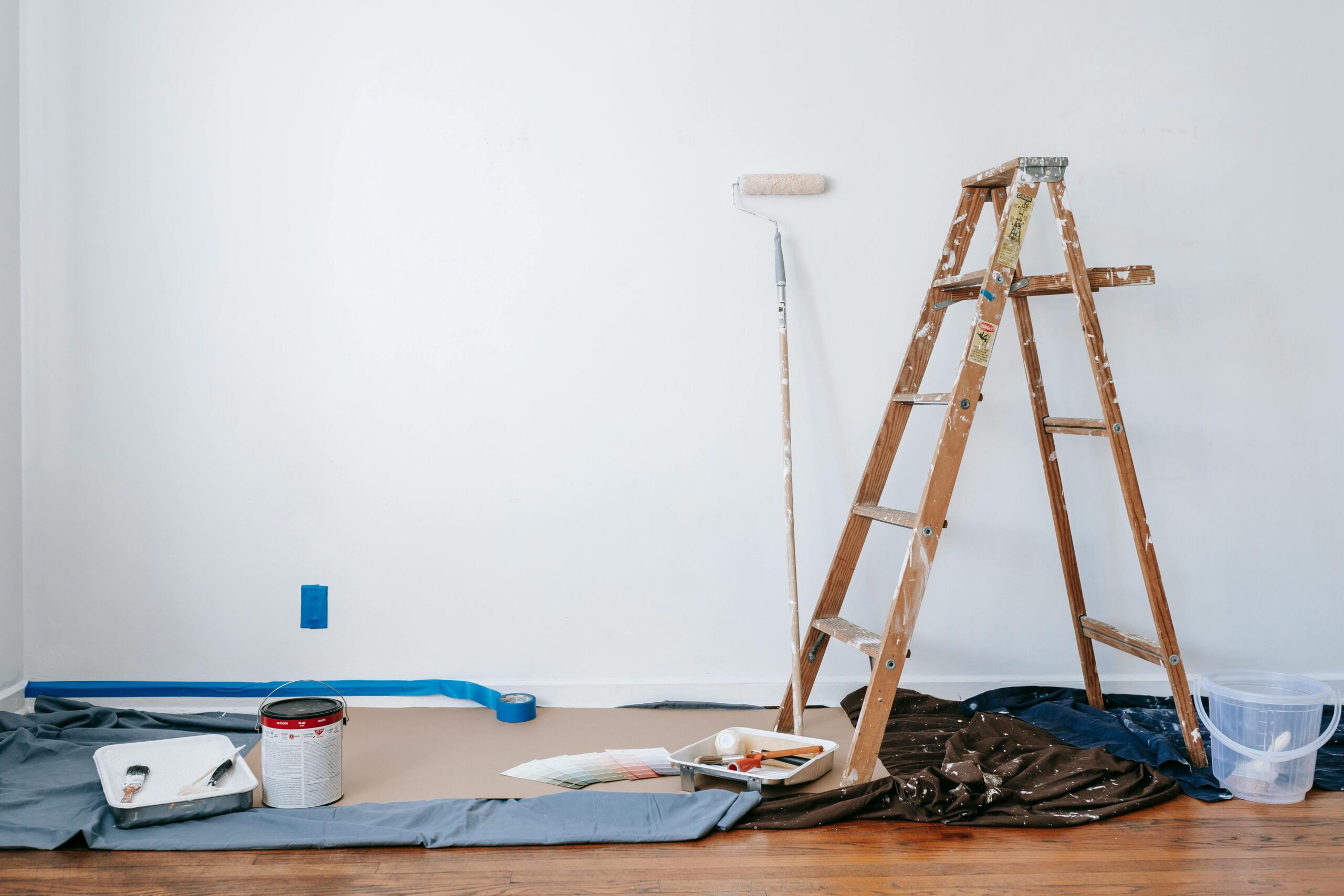
There’s a myth that redoing your home has to be dramatic. Knock down walls! Redo the floors! Install an indoor sauna while you’re at it! But that kind of thinking is what causes people to stall. The truth is, some of the best resets happen in a weekend. A new coat of paint. Reorganised shelves. Swapping heavy curtains for something lighter. These changes shift the energy of a room without burning through your budget.


Leave a Reply