
















A kitchen doesn’t always need a complete renovation to feel more functional. Sometimes, a few thoughtful changes around the sink can make washing up, cleaning, and preparing meals easier throughout the week.
Imagine starting Saturday with a cluttered countertop, awkward cupboard storage, and a tap that needs attention. By Sunday, a few manageable improvements could make the same space more convenient without disrupting your entire kitchen. However, not every upgrade is suitable for a DIY approach. Plumbing, electrical connections, and appliance installation require careful planning. Choosing projects that match your skills, preparing your workspace, and understanding when to call a professional can help you make meaningful improvements while keeping your kitchen safe and practical.
Credit: https://www.istockphoto.com/portfolio/RYosha?mediatype=photography
Start With a Plan Before Taking on Sink-Area Upgrades
The sink area handles water, cleaning products, food scraps, and everyday wear. Before making changes, assess what needs attention and decide which projects you can comfortably manage.
- Inspect the existing setup: Check the sink, tap, drain, cupboard space, and visible pipework for wear, leaks, or damage.
- Set a realistic budget: Account for materials, accessories, replacement fittings, and professional labor if required.
- Prepare the workspace: Clear the countertops and cupboard beneath the sink so you can access the area without moving items repeatedly.
- Choose manageable tasks: Prioritize improvements that solve everyday problems instead of tackling several complicated projects at once.
A little preparation can prevent unnecessary purchases and help you recognize when a project requires specialist assistance.
Weekend Projects That Can Make Your Sink Area More Functional
Small changes can improve the way your sink area works without requiring a complete kitchen makeover. Consider these practical upgrades before committing to larger renovations.
1. Organize the Space Beneath the Sink
The cupboard beneath the sink often becomes a catch-all for cleaning supplies, spare bags, and miscellaneous household items. Organizing it can make everyday tasks easier while leaving enough room to access plumbing connections.
Use removable storage bins, adjustable shelves, or organizers designed around existing pipework. Keep cleaning products securely stored, particularly if children or pets can access the cupboard. Avoid placing items where they could damage pipes, interfere with connections, or conceal leaks.
2. Refresh the Sink and Tap Area
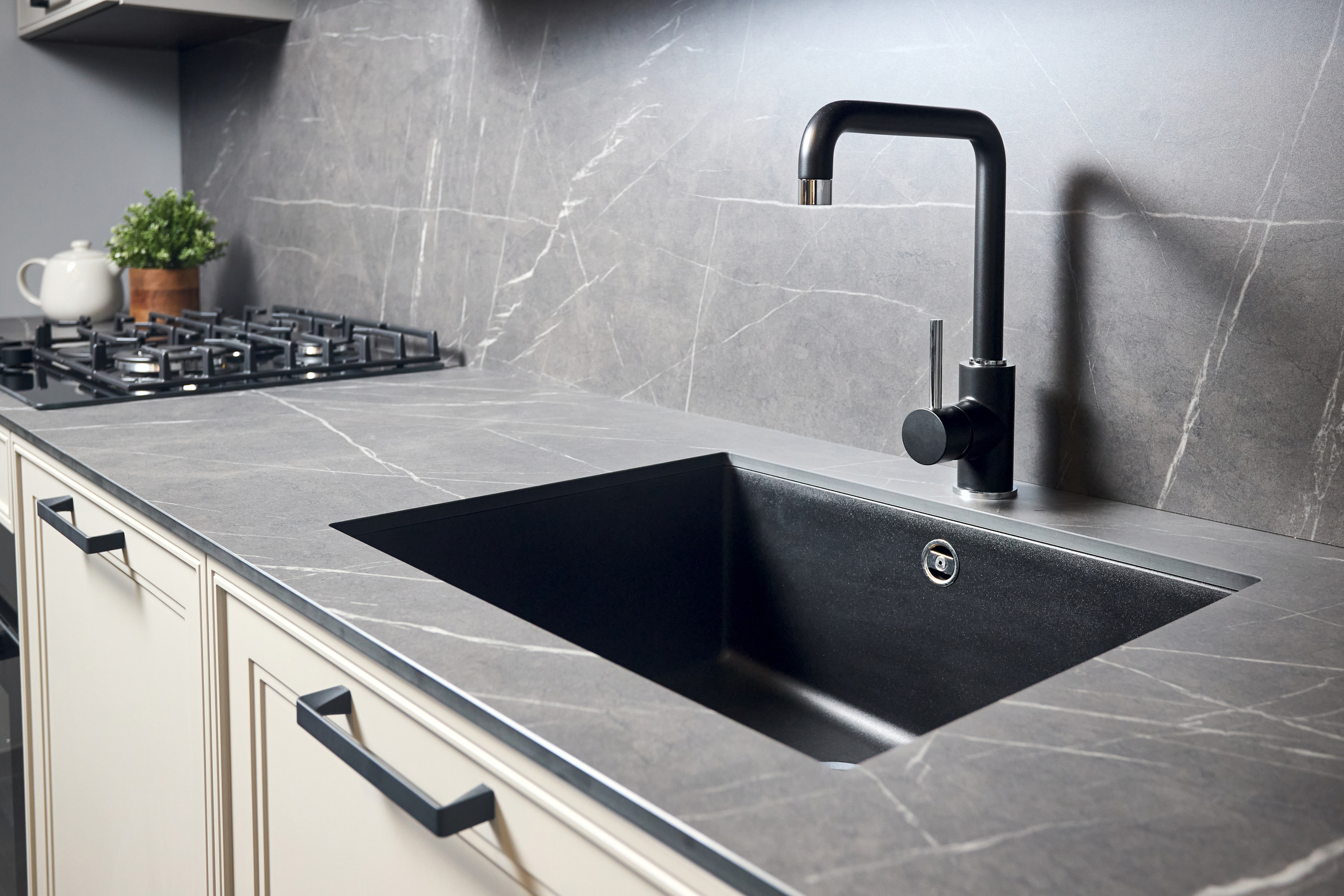
A worn tap, stained sink, or cluttered countertop can make the entire kitchen feel less maintained. Cleaning the sink thoroughly, replacing worn accessories, or updating a compatible tap can improve its appearance and usability.
Before replacing a fixture, check its compatibility with your sink and plumbing connections. Tap replacements can involve water connections, so shut off the appropriate water supply and seek professional assistance if you’re unfamiliar with the process.
3. Consider Installing or Replacing a Garbage Disposal
A garbage disposal can be a useful addition to a kitchen, helping break down suitable food waste before it enters the drain. However, installing one involves more than fitting an appliance beneath the sink.
You need to consider available cupboard space, sink compatibility, plumbing connections, and electrical requirements. If you’re researching how to install a garbage disposal, the manufacturer’s installation instructions are an important starting point because requirements vary between models.
The installation may involve mounting hardware, drainage connections, and electrical work. If you lack the necessary experience, having a qualified professional install the unit is a safer approach. Always follow the instructions supplied with the specific appliance.
4. Improve Everyday Sink Accessories
Sometimes, the most useful upgrades are the smallest. A sink caddy, draining rack, soap dispenser, or splash-resistant mat can help keep the area organized and reduce countertop clutter.
Choose accessories that fit your sink and are easy to clean. Avoid overcrowding the area around the tap or blocking drainage, and regularly clean items that collect moisture to prevent residue and unpleasant odors.
Keep Safety in Mind When Working Around the Sink
Water and electrical equipment require particular care, especially when working beneath a sink or around kitchen fixtures.
- Keep electrical equipment away from water: Never use electrical tools or appliances with wet hands, and keep the work area dry.
- Disconnect equipment before cleaning or handling it: Follow the manufacturer’s instructions for safely isolating appliances before carrying out maintenance.
- Check for leaks: Inspect accessible plumbing connections before and after completing any work. Even a small leak can damage cupboards, flooring, or nearby equipment.
- Know when electrical work requires professional help: UK domestic electrical installations are covered by safety requirements under Part P of the Building Regulations. Review the official Part P legislation before undertaking electrical installation work.
If a project involves unfamiliar wiring, damaged pipes, or complicated plumbing, leave it to a qualified professional rather than risking an accident or costly repair.
Finish the Upgrade With a Few Practical Checks
Once your changes are complete, take a few minutes to check that everything is working as intended. Run water through the sink, inspect accessible connections for leaks, and make sure accessories or storage solutions do not obstruct drainage or plumbing.
Keep the area beneath the sink dry and organized, and ensure newly installed equipment is used according to its manufacturer’s instructions. These final checks can help catch small problems before they become bigger inconveniences.
Conclusion
Upgrading your sink area can be a worthwhile weekend project when you focus on practical improvements rather than unnecessary changes. Better storage, refreshed fixtures, and carefully planned appliance upgrades can make everyday kitchen tasks more convenient. Taking time to assess the space, following safety precautions, and seeking professional help when needed will help you create a sink area that works better for your household.
Frequently Asked Questions
How can you make a small sink area feel less cluttered?
Use vertical storage, compact accessories, and organizers that fit around existing pipework while keeping frequently used items easy to reach.
How often should you clean the cupboard beneath your kitchen sink?
Inspect and clean it every few weeks, or sooner if you notice moisture, spills, residue, or signs of pests.
What should you avoid putting into a garbage disposal?
Avoid items that the manufacturer’s instructions prohibit, as hard, fibrous, or unsuitable food waste can damage the appliance or cause drainage problems.


Leave a Reply