

















For many travelers planning a city break in Krakow, visiting Auschwitz-Birkenau is a significant part of their itinerary. This memorial site offers an important historical perspective and serves as a place of reflection and remembrance. Given its popularity and historical importance, planning your visit in advance is crucial to ensure a meaningful experience.
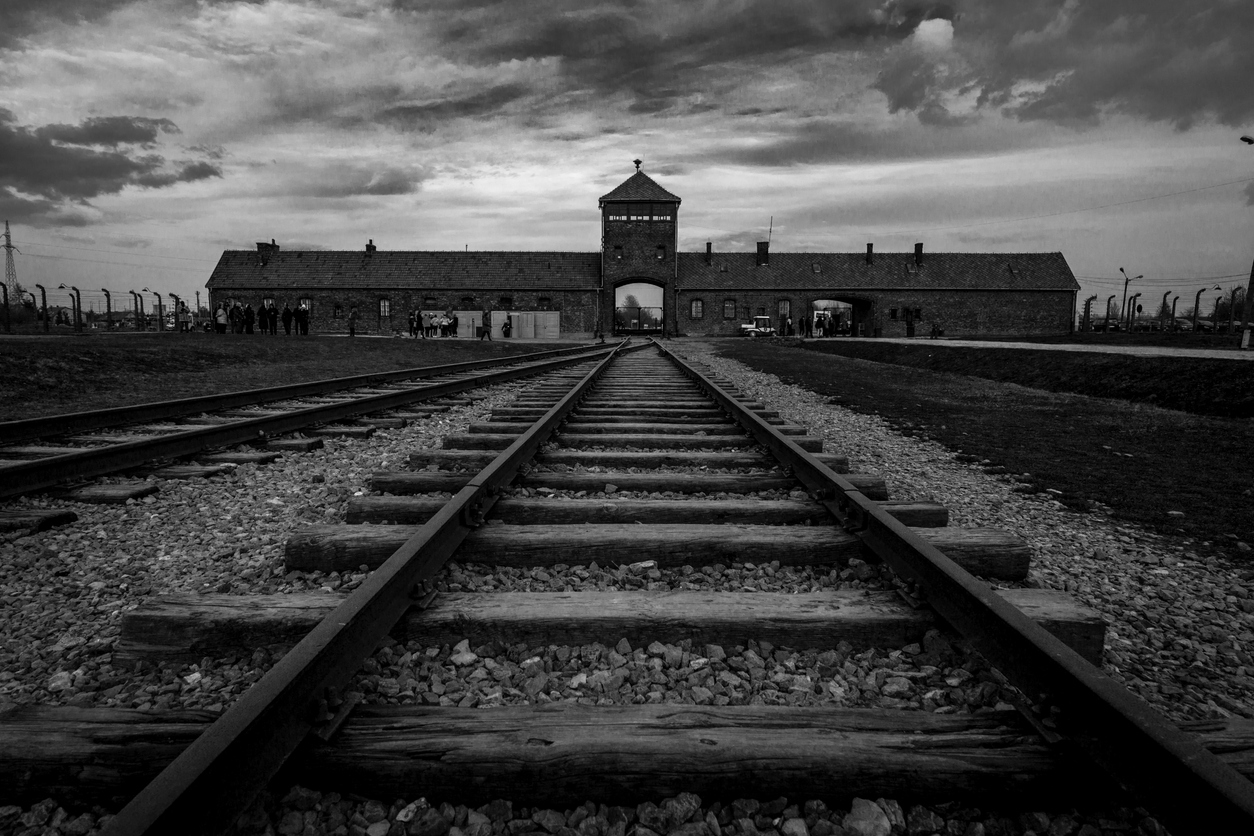
The History and Significance of Auschwitz-Birkenau
Auschwitz-Birkenau, located about 70 kilometers from Krakow, was the largest Nazi concentration and extermination camp during World War II. Established in 1940, it became a symbol of the Holocaust, where over 1.1 million people—mainly Jewish men, women, and children—were murdered. Today, the site serves as a museum and memorial dedicated to educating visitors and preserving the memory of the victims.
The complex consists of two main parts: Auschwitz I, which housed the camp’s administrative center and some prisoners, and Auschwitz II-Birkenau, the larger extermination site. Visiting both sections provides a comprehensive understanding of the camp’s history and impact.
How to Visit Auschwitz-Birkenau from Krakow
There are several ways to reach Auschwitz-Birkenau from Krakow, including public transport (bus or train), private transport, and organized tours. Due to the distance and the often crowded public transport, organized tours are the most convenient option, offering direct transport and a structured visit. While it is possible to visit independently, booking a guided tour of Auschwitz is often the most recommended option, particularly for first-time visitors.
Visiting with or without a Guide
Visitors to Auschwitz-Birkenau can explore the site either independently or with a guide. However, a guided tour is strongly recommended, as it provides deeper historical insight and context. All official guides at Auschwitz-Birkenau are museum employees, ensuring an accurate and informative presentation.
A well-organized tour from Krakow typically includes transport and a guided visit with a museum educator. This ensures that visitors receive a structured and detailed overview of the site’s history while benefiting from the knowledge of an experienced professional.
For those visiting for the first time, a guided tour is the best way to fully understand the site’s complex history. Many people believe they are familiar with Auschwitz from popular films or best-selling books like The Tattooist of Auschwitz—works that, while engaging, have been criticized by historians, including those from the museum, for inaccuracies and fictionalization. A guided visit helps clarify historical facts and provides a more accurate account of what happened at the camp.
However, an unguided visit may be more suitable for those who have already been to Auschwitz-Birkenau and wish to return to pay their respects in quiet reflection. Some visitors choose to revisit the site independently to honor the memory of the victims without the structure of a tour. Regardless of how you choose to experience the memorial, it is essential to approach it with the solemnity and respect it deserves.
Why Choose an Organized Tour?
- Convenience: Organized tours provide round-trip transportation from Krakow, eliminating the need to navigate public transport or arrange private transfers.
- Licensed Museum Guide: Tours include a licensed educator from the museum, offering expert historical context and insights that enhance the visit.
- Guaranteed Entry: Auschwitz-Birkenau is one of Europe’s most visited memorial sites, and tickets can sell out quickly. Booking a tour secures your spot without the stress of arranging entry on your own.
Visiting Auschwitz-Birkenau with Children
The Auschwitz-Birkenau Museum recommends that visitors be at least 13 years old due to the sensitive and graphic nature of the exhibits. However, there is no strict age restriction, and parents or guardians ultimately decide whether their children are ready for such an experience.
Given the emotionally intense nature of the visit, it is important for families to consider whether younger visitors will be able to process the historical significance appropriately. The museum does not offer interactive or child-friendly exhibits, and the tour involves extended periods of walking and listening to detailed narratives.
For those visiting with infants or very young children, logistics can be challenging. The entire museum area is covered with gravel, making it difficult to push a stroller. Additionally, strollers are not allowed inside the exhibition buildings, and some of the exhibits are located on upper floors without elevator access. For parents who still wish to visit with an infant, using a baby carrier or sling may be a more practical option.
Ultimately, whether visiting with a teenager or a younger child, parents should carefully consider both the emotional and practical aspects of the visit to ensure that it is a meaningful and manageable experience for all.
Tips for Visiting Auschwitz-Birkenau
To ensure a meaningful and comfortable visit, consider the following tips:
- Dress appropriately: Much of the visit takes place outdoors, so be prepared for varying weather conditions. In colder months, wear warm layers, while in summer, bring sun protection.
- Wear comfortable shoes: The site is vast, and visitors should expect to walk long distances on uneven terrain.
- Be mindful of the emotional impact: Visiting Auschwitz-Birkenau is a deeply moving experience. Plan some quiet time afterward for reflection, whether through a peaceful walk, journaling, or discussing the visit with a travel companion.
- Plan your itinerary accordingly: Many travelers find it beneficial to schedule something lighter or restorative afterward—perhaps visiting one of Krakow’s parks or cafés—to process the experience at their own pace.
Booking in Advance – A Must for All Visitors
Auschwitz-Birkenau is one of the most visited memorial sites in the world, and demand for entry is extremely high. Whether you plan to visit independently or as part of a tour, reservations should be made well in advance—sometimes weeks or even months before your trip.
If you are planning a visit to Krakow, it is advisable to book your Auschwitz-Birkenau tour as soon as possible to secure availability. This ensures a well-organized and meaningful experience at this essential historical site.
Final Thoughts
A visit to Auschwitz-Birkenau is a profound and sobering experience, offering a deeper understanding of one of the darkest chapters in human history. While it can be emotionally overwhelming, it is also an important opportunity to learn, reflect, and pay tribute to the victims.
For many, visiting Auschwitz at least once in a lifetime is an essential experience, a chance to confront history firsthand and ensure that its lessons are never forgotten. A trip to Krakow presents a unique opportunity to visit this site, as its proximity allows travelers to incorporate it into their itinerary with ease.
By preparing in advance, choosing a knowledgeable guide, and allowing time for reflection afterward, visitors can ensure a respectful and educational experience. Auschwitz-Birkenau is not just a historical site—it is a place of remembrance, a warning from history, and a call to never forget.


Leave a Reply