
















Poland is a country with a rich history and stunning architecture, attracting thousands of foreigners every year. Many couples building their lives here dream of legalizing their relationship in this European country. However, in 2026, the romantic expectations of a wedding in Poland increasingly clash with the harsh reality of local bureaucracy.
Registering a marriage for foreign citizens in the Republic of Poland has become a complex, multi-level quest, requiring not only immense patience but also a solid understanding of legal procedures. Changes in legislation and the heavy workload of government offices have made the process highly formalized and time-consuming. Before booking a restaurant in Warsaw or Kraków, it is crucial to realistically assess the challenges you will inevitably face on the way to obtaining that coveted stamp.

What documents are required for two foreign citizens to register a marriage in Poland?
Preparing for a wedding in Poland feels less like planning a celebration and more like conducting a complex legal operation. The Polish system is extremely detail-oriented, and being a foreigner automatically means undergoing twice as many checks. To ensure that your application at the Civil Registry Office (Urząd Stanu Cywilnego) is not rejected at the very first stage, you will need to assemble a substantial dossier, where every letter must meet strict national standards. Below is a list of what any international couple is likely to encounter.
Basic Document Package
The first level of the Polish “wedding quest” involves the basic documents that each partner must have:
- Proof of identity. Original passport. It is important to remember that your legal status in Poland (visa or residence card) must remain valid throughout the entire waiting period.
- Financial contribution. Receipt of payment for the state fee (approximately $20–22).
- Declaration of intent. Personal signing of a statement confirming there are no obstacles preventing the marriage.
The Main Bureaucratic Obstacle: Legal Capacity
The most challenging stage is proving to the Polish authorities that your home country has no objections to your union. For this, the following are required:
- Birth certificate: A full original document is required (abbreviated versions are often not accepted).
- Proof of marital status (Certificate of No Impediment): This document confirms that you are not married in another country. The Catch: In 2026, many foreigners face an impossible requirement: their home countries simply do not issue certificates in the format required by Poland. In such cases, the only solution is to file a lawsuit in Poland requesting exemption from submitting this document. Court proceedings can take six months or longer.
- Records of previous relationships: If you have been divorced or widowed, prepare the original certificates and court rulings confirming these facts.

Document Processing Regulations
Polish authorities do not recognize documents issued abroad without additional formalities:
- Exclusive use of sworn translators: Forget translations done outside Poland. Every document must be translated by a sworn Polish translator (tłumacz przysięgły) registered with the Ministry of Justice of Poland.
- Apostille stamp: All originals issued outside Poland must bear an Apostille. In 2026, the processing times for Apostilles in some countries have significantly increased, which can disrupt your plans.
- Strict validity periods: Most certificates from your home country “expire” within 3–6 months. If the Polish court delays your case (which happens frequently), by the time permission is granted, your main documents may become invalid, creating a vicious cycle.
Thus, collecting documents in Poland is a high-risk process, where any delay or clerical error can cost months of waiting and thousands of zlotys for reissuing papers.
Marriage Timelines in Poland for Foreigners
The process of getting married in Poland is not instantaneous – timelines depend on document preparation, waiting for approvals, and scheduling at the Civil Registry Office (Urząd Stanu Cywilnego). Below, we outline the key timeframes that foreigners typically face.
1. Document Preparation and Verification
Before officially submitting your application, you need to gather all necessary documents (passport, birth certificate, proof of marital status, etc.) and ensure they are properly translated and legalized (sworn translation and Apostille). In practice, this stage can take anywhere from a few weeks to several months, depending on the complexity of the documents and the processing times for translations and Apostilles.
2. Submission and Mandatory Waiting Period
Once all documents are submitted to the Urząd Stanu Cywilnego, a mandatory waiting period is required by law. According to Polish regulations, at least one month must pass between the submission of documents and the ceremony date. This is a standard period that applies to all couples, including foreigners.
3. Waiting for the Ceremony Date
After submitting the full set of documents and completing the mandatory waiting period, the next step is to schedule the actual marriage registration. In reality, many couples report that securing a free date at the registry office can take about 1–2 months, especially in popular cities or during the peak wedding season.
4. Overall Timelines in Practice
Taking all stages into account – preparation, legalization, submission, mandatory waiting, and scheduling the ceremony – the entire process for foreigners usually takes around 2–6 months on average. In some cases, especially if documents are difficult to obtain or court interventions are required (for example, for the Certificate of No Impediment), the process can extend to 5–6 months or longer.
Is Poland an Easy Country for Foreigners to Marry?
No, Poland is not considered an easy country for foreigners to get married. The process requires collecting numerous documents, translating and legalizing them, potentially going to court to confirm your eligibility, and adhering to mandatory waiting periods and scheduling at the registry office. Altogether, this can take several months and involve considerable bureaucratic challenges.
Where Is It Easiest for Foreigners to Get Married?
Compared to Poland, where the marriage registration process for foreigners can take months and require a substantial number of documents, Georgia stands out as an excellent option for couples seeking a fast and hassle-free marriage registration. Key advantages include:
- Fast registration: For foreign couples, marriage in Georgia can be completed in as little as 24 hours if the goal is official registration only.
- Minimal document requirements: Only passports are needed.
- No visa restrictions: Citizens of over 90 countries can enter Georgia visa-free, making it highly accessible.
- Affordable costs: Marriage registration in Georgia is significantly cheaper than in many European countries, including Poland, and wedding agencies offer optimal price-to-service ratios.
- Developed wedding industry: Georgia ranks among the top countries for wedding tourism, with all services tailored to foreign couples – from legal registration to luxurious ceremonies.
- Wide selection of professional agencies: Numerous agencies specialize in weddings for foreigners, ensuring full organization. One of the leading agencies, Shu Wedding, provides both fast official registration and full luxury-level ceremonies.
- Flexible wedding formats: Couples can choose a quick official registration or organize a complete ceremony with décor, catering, photography, and entertainment – all supported by professionals.
- Optimized for foreigners: Every process, from document submission to the ceremony, is designed for international couples, minimizing bureaucracy and stress.
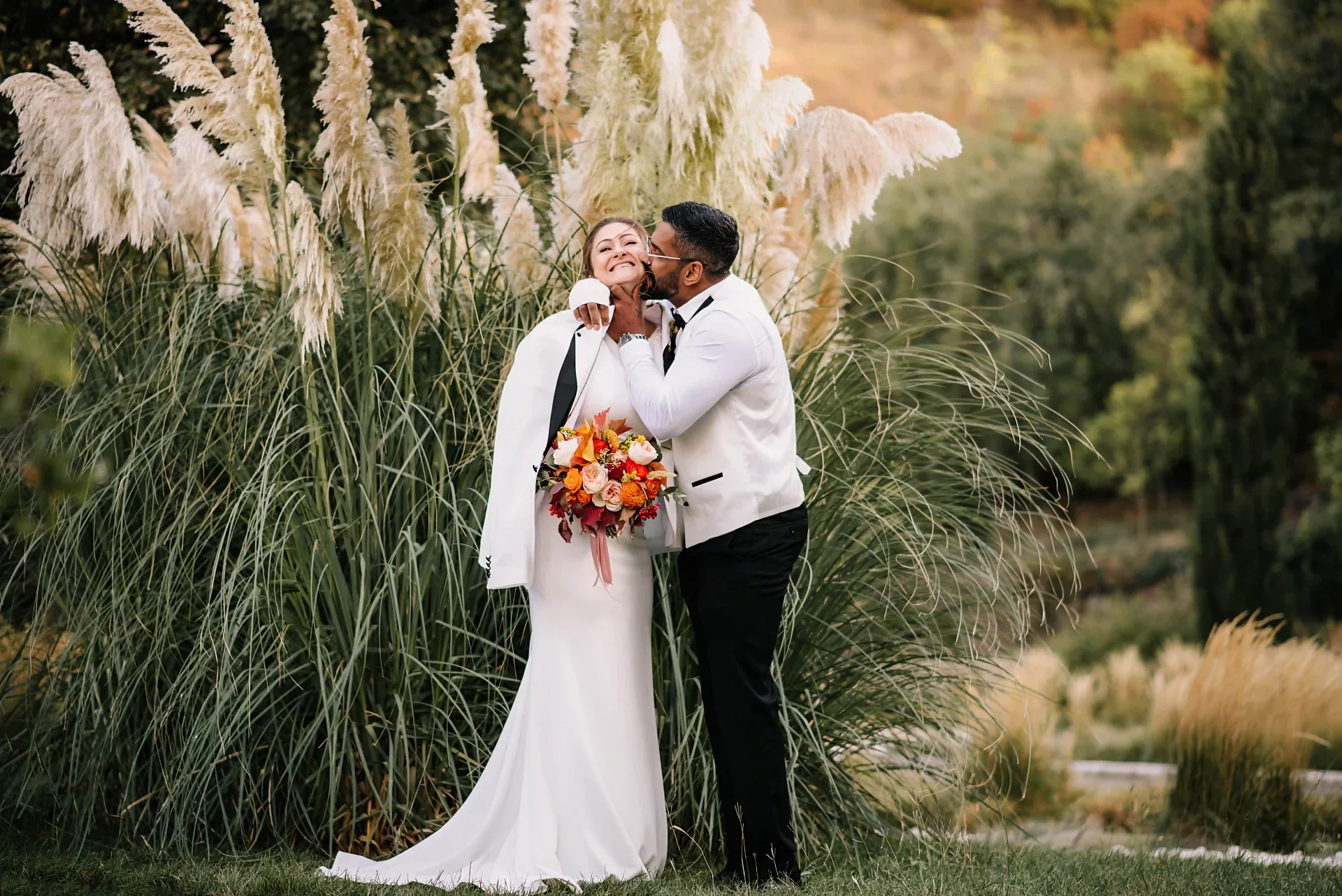
For these reasons, Georgia is an ideal choice for foreign couples who want to get married quickly, comfortably, and with full professional support. Unlike Poland, everything is organized for your convenience, with even complex aspects anticipated and managed by agencies experienced in hassle-free weddings.


Leave a Reply