














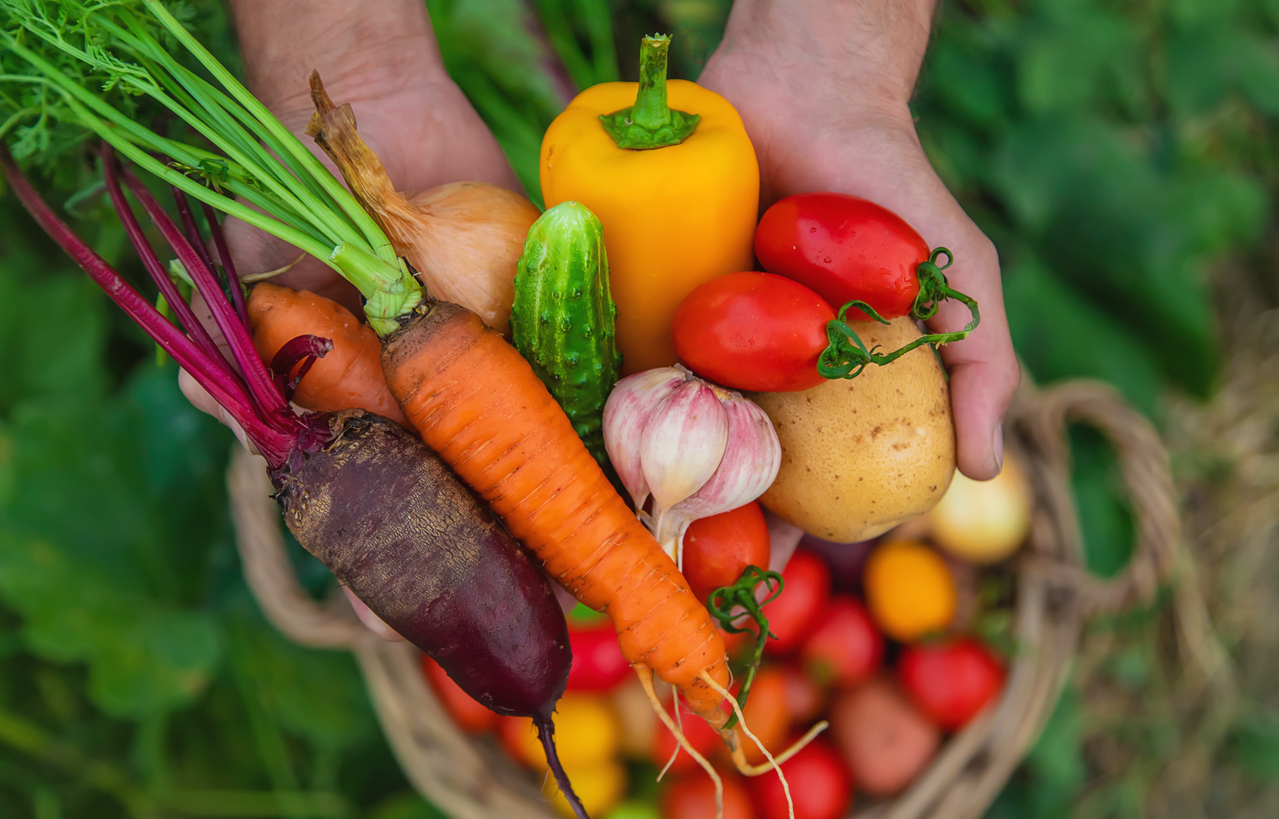
Growing vegetables at home can be a great way to save money on groceries, but it’s also extremely rewarding. While growing and managing your own vegetable patch can seem challenging to start with, it can be relatively straightforward.
If you’re considering growing your own vegetables at home, here are some top tips to get you started.
Assess your space and light conditions
Before you begin trying to grow anything, you need to assess your available space and light conditions. If you have a small balcony, for example, you’ll be more constrained than if you’ve got a large garden with raised beds.
Depending on your vegetables, you’ll typically want to pick somewhere sunny that’s also protected from wind and the cold. This could be a specific corner of your patio or a nice open area in your garden.
Try not to plant too close to bushes, hedges, and other vegetation as this can create competition for the plants and reduce your chances of getting a successful crop.
Choose the right vegetables for beginners
Especially for your first time, you’ll want to choose vegetables that are easy to grow in the UK climate. Courgettes, tomatoes, and beans are some of the best choices, as they can provide a high yield and help to build your confidence.
These options also grow relatively quickly, so you should start to see the fruits of your labour developing before your eyes. Seeing this fast progression can be essential to staying motivated, and it’ll help you learn how to best care for your plants.
Prepare the soil and plan your layout
Something you might not be aware of is that improving your soil quality can enhance the growth of your vegetables. Don’t be intimidated though, this can be done quite easily.
Composting can give the soil essential minerals and nutrients that your vegetables need to grow effectively. Another tip to consider is watering with ‘banana water’. This involves cutting up banana peels and letting them sit in water, before using that to water your plants. By using banana water, you help provide your plants with an abundance of natural vitamins and minerals, improving their growth.
For consecutive harvests, you should rotate your crops between sections. Planting the same crops in the same soil repeatedly can damage the quality of both the plants and the soil. Since different plants need different nutrients, switching plants between locations or replacing the soil entirely can help ensure effective growth.
Planting techniques and timing
Each plant also has an optimal planting time and techniques. For instance, tomatoes may need to be propagated to promote their growth, but this can easily be done by cutting a clear plastic bottle in half and using that to cover the soil.
For crops that need to be protected over the winter, you might want to consider getting a polytunnel greenhouse. This can create a safe environment for your vegetables to grow, limiting interference from pests and frost.


Leave a Reply