















Fort Lauderdale, FL, is a city brimming with sunshine, stunning beaches, and a vibrant community, making it a sought-after location for many. Whether you’re relocating within the city or moving to a new destination, preparing for moving day can feel overwhelming. However, with the right plan in place, you can make the process smoother and less stressful.
Moving day is more than just packing up your belongings; it’s about organizing, prioritizing, and tackling tasks in a way that saves you time and effort. For Fort Lauderdale residents, the unique climate and active lifestyle can add a few extra considerations, like protecting items from heat and humidity. This guide will walk you through the steps to prepare your home effectively for a seamless move.
Start with a Clear Plan
A successful move begins with careful planning. Begin by drafting a comprehensive checklist that breaks down each task, such as scheduling movers and packing your items. A timeline can help you prioritize tasks and avoid the last-minute rush.
For those moving long distances, working with reliable professionals is essential. If you’re relocating from Fort Lauderdale to another city, hiring professional Fort Lauderdale long distance movers can make the process much smoother. They handle the heavy lifting, logistics, and transportation, giving you more time to focus on organizing your home and tying up loose ends before the move.
When selecting a moving company, look for one with experience in long-distance relocations and a reputation for excellent service. Fort Lauderdale’s busy moving market offers several options, so take the time to research and choose a team that fits your needs.
Declutter Before Packing
One of the best ways to simplify your move is to declutter before packing. Over time, it’s easy to accumulate items you no longer use or need. Moving is the perfect opportunity to sort through your belongings and lighten your load.
Sort Through Your Belongings
Start by organizing items into four categories: things you want to keep, those you want to donate, items you’ll be selling, and those you’ll be discarding. Be honest with yourself about what you truly need and what you can let go of. Items that are still in good condition can be donated to local charities, helping you reduce waste while giving back to the community.
Hold a Yard Sale or Donate Items
If you have time, consider hosting a yard sale to sell unwanted items and earn a little extra cash for your move. For things you can’t sell, donating them to organizations like thrift stores or shelters is a great way to declutter while making a positive impact.
Decluttering not only reduces the number of items you need to pack but also lowers moving costs, as movers often charge based on the weight or volume of your belongings.
Organize Your Packing Process
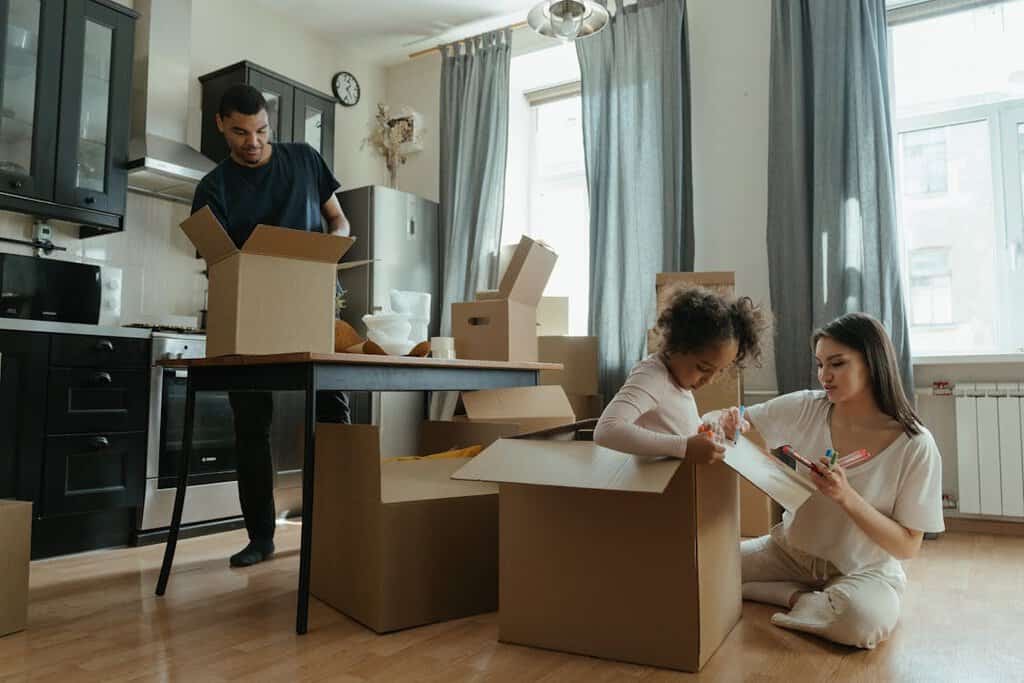
Once you’ve decluttered, it’s time to focus on packing. Tackling one room at a time keeps the process manageable and helps you stay organized. Gather all the packing materials you’ll need, such as sturdy boxes, packing tape, bubble wrap, and markers for labeling.
Gather Supplies
Consider using eco-friendly options, like renting reusable packing crates or purchasing recyclable materials. Having all your supplies ready in advance prevents unnecessary delays and helps you pack efficiently.
Pack Room by Room
Packing can feel overwhelming, but breaking it down by room makes it more manageable. Start with rooms you use the least, such as the guest bedroom. Leave everyday essentials, like kitchen items and personal toiletries, for last. Clearly label each box with its contents and the room it belongs to in your new home. This helps movers know where to place each box and simplifies unpacking.
For any items that are fragile, use bubble wrap or packing paper to protect them during transit. Label these boxes as “fragile” and load them carefully. When packing heavy items like books, use smaller boxes to prevent them from becoming too heavy to lift.
Prepare Your Home for Moving Day
Designate a Packing Area
Creating a dedicated packing zone helps keep your home organized as moving day approaches. Use a space like a spare room, garage, or a corner of the living room to store packed boxes and supplies. Keeping everything in one place prevents clutter from spreading throughout the house and makes it easier to see your progress.
As you pack, stack boxes neatly in the designated area. Leave walkways clear to avoid tripping hazards for movers and family members.
Protect Your Home
Moving day involves a lot of activity, which can lead to accidental damage to your floors, walls, or doorways. Take precautions to protect your home during the process. Use floor runners or cardboard to shield flooring from dirt and scratches. Cover door frames and corners with padding or foam to prevent dings from furniture or large boxes.
If you’re moving during bad weather, keep old towels or rugs near entryways to clean shoes before walking inside. These small steps can help you leave your home in good condition for its next occupants.
Communicate with Your Movers
Good communication with your moving team is key to a smooth moving day. Share your expectations and provide clear instructions on which items need special care. Walk through your home with the movers before they start loading to point out fragile boxes, valuable items, or furniture that requires disassembly.
Confirm the moving schedule in advance and discuss any specific needs, such as parking arrangements or the best path for loading and unloading. Being present during the process allows you to answer questions and address any concerns immediately.
Set Aside Essentials for Moving Day
Pack a Moving Day Kit
Keep a box or bag of essentials with you on moving day. Include items like snacks, water, important documents, phone chargers, toiletries, and a change of clothes. Having these items easily accessible saves you from digging through packed boxes when you need them most.
Plan for Kids and Pets
If you have children or pets, make arrangements to keep them safe and occupied during the move. For kids, pack toys, books, or games to keep them entertained. Consider asking a friend or family member to watch your pets, or set up a quiet space for them away from the activity.
Conclusion
Preparing your home for moving day requires thoughtful planning and organization. By decluttering, packing strategically, and communicating effectively with your movers, you can simplify the process and minimize stress. Focus on creating a safe, efficient environment that keeps everything on track. With the right preparation, you’ll be ready to start fresh in your new home.


Leave a Reply