














The new year has arrived and what makes a better time than now to give your garden the revamp it needs to thrive throughout the year. Whether you’re starting out as a beginner or a seasoned gardener, there is always room for improvement.
Let’s dive into some practical easy-to-follow tips that will take your garden to the next level in 2026.
Plan ahead and plant smarter
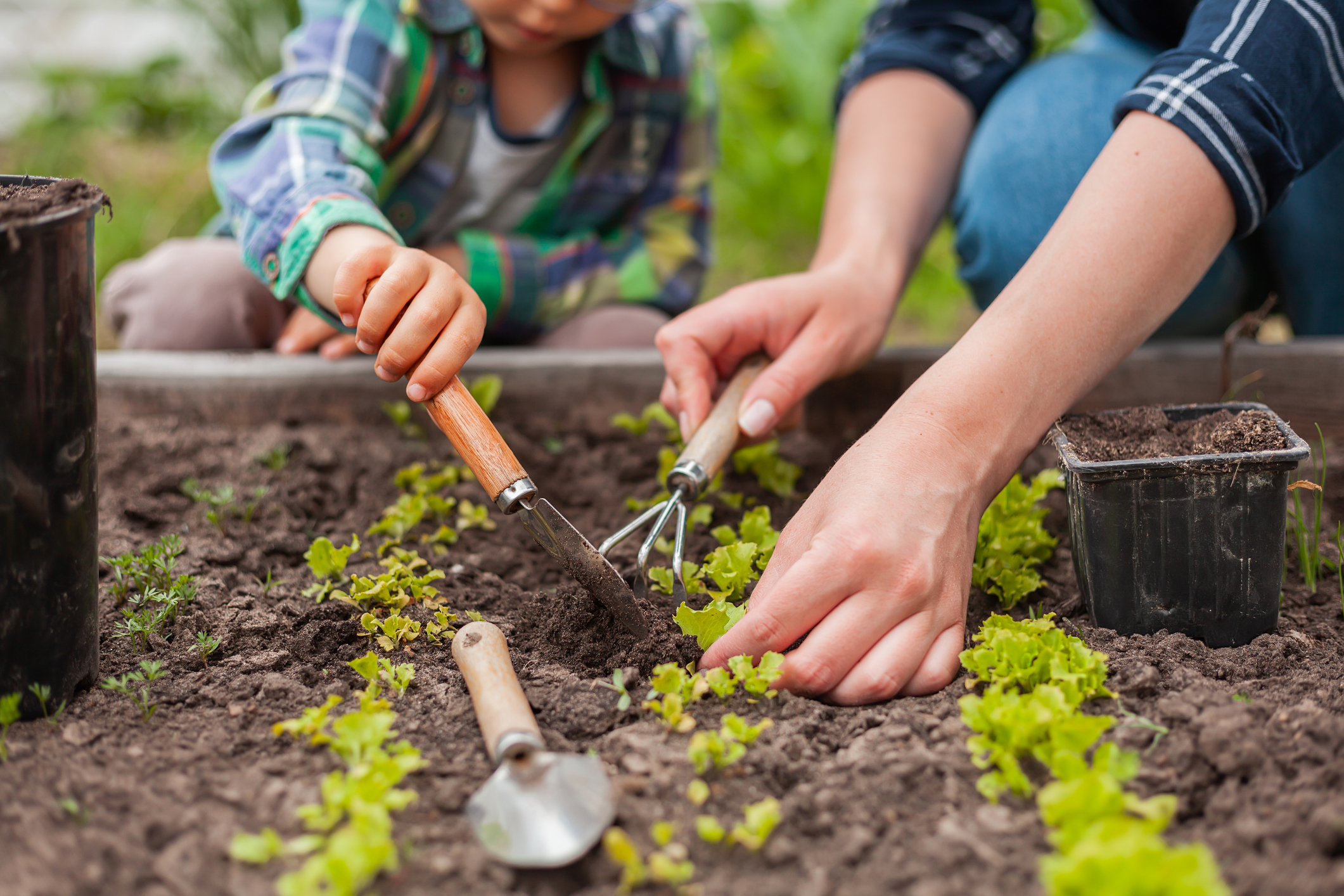
Before you decide to rush out and buy plants, take the time to read your garden and get a better understanding on where the sun mainly hits, which spots stay shaded and what the soil is like.
This will guide what you grow and where. If you’ll be planting fruit and veg, use a sowing calendar to help you stay organised and plan which jobs to do in each month of the year.
For example, potato seeds are usually planted early in the year, typically between February and April, depending on conditions.
On the other hand, within the summer, crops like beetroot and carrots are sown. By planning your planting throughout the year, ensures that your crops will have the best chance at flourishing and thriving.
Make sure your garden is resilient
It’s no secret that the UK weather can be temperamental. This is why it is important to ensure that your garden is resilient enough to be able to withstand changing conditions.
For example, by introducing compost to your soil can help with retaining water in the summer and drain better in the wintertime.
You can also plant drought-tolerant species to significantly reduce the amount of water your garden needs. You can also consider installing windbreaks that are made of native shrubs or trees that can protect any delicate plants from gusty weather conditions.
For enhanced weather protection, it may be worth investing in a polytunnel to stabilise growing conditions and increase yields.
Boost its biodiversity
Planting a mixture of crops, wildlife-friendly flowers, shrubs and trees will create a space that works for you and the environment.
Think about including wildflower strips into your garden, bee-friendly herbs like thyme or basil, and native plants are good at attracting pollinators.
Hedgerows or small patches of meadow plants can also provide homes for birds, insects, and small mammals, all of which contribute towards a thriving, well-grounded garden environment.
Choose a pretty and practical design
Good garden design is all about blending beauty with practicality. To make things aesthetically pleasing to the eye, try looking at bold planting schemes with vibrant colours, eye-catching containers and creative borders.
Your layout should also be functional, so make sure that you take enough time to plan it out thoroughly. A well-thought-out design will look good, serve a purpose and make gardening and upkeep easier.
If you’re not sure where to start, consider zoning. This involves creating distinct areas in your garden for relaxation, eating or growing, ensuring every square inch is well utilised.
With a bit of thoughtful planning and the right design, under your belt. You will be able to help your garden thrive in 2026 and beyond.


Leave a Reply