
















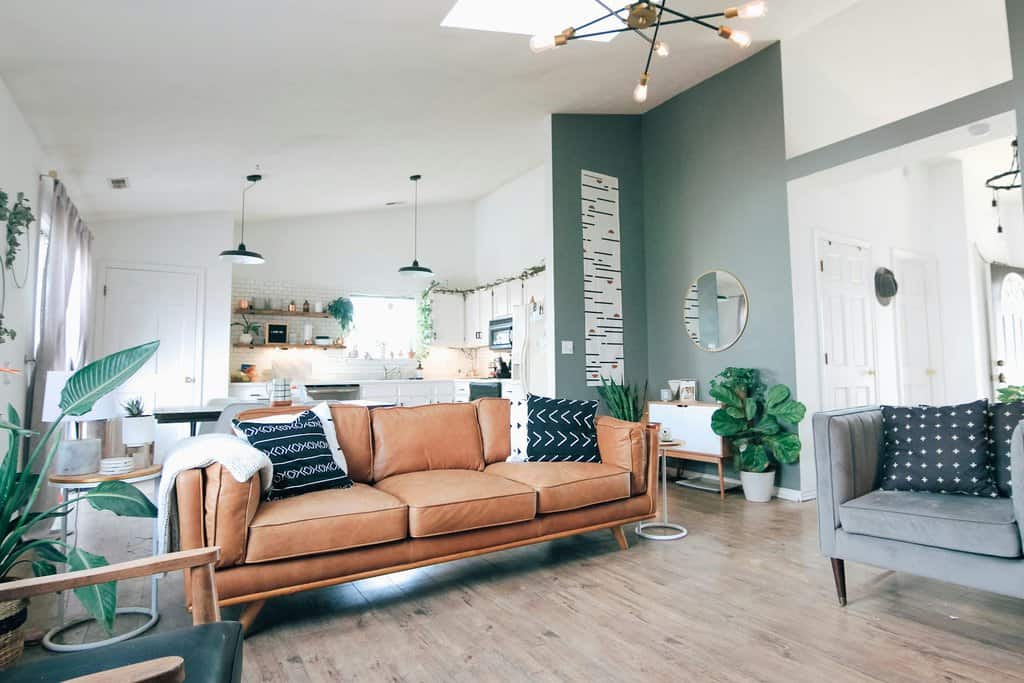
Photo by Kara Eads on unsplash.com
As growing environmental concerns continue to shape our world, more homeowners are selecting eco-friendly practices to reduce their carbon footprint.
Sustainable renovation offers a chance to blend modern living with environmental responsibility, resulting in energy-efficient, healthy, and stylish spaces.
Below are several key strategies to help you transform your home into a green retreat while minimizing environmental impact.
1 – Sustainable Pest Control for a Greener Home
Pest control is critical to maintaining a healthy home, but traditional methods often use harmful chemicals. Fortunately, there are eco-friendly ways to approach insect and rodent management during your renovation.
Seal Entry Points
Seal gaps around doors, windows, and foundations to prevent pests from entering. Ensure screens are correctly installed and repair any cracks.
Use Natural Repellents
Natural options like peppermint, tea tree, and diatomaceous earth effectively repel ants and other pests without harming the environment or your family.
Maintain Cleanliness
Pests thrive in dirty, cluttered spaces. To deter unwanted visitors, regularly clean areas like the kitchen and basement, store food properly and reduce waste.
Install Physical Barriers
To block pests without toxic treatments, incorporate mesh screens, door sweeps, and caulking during renovations.
Using these sustainable pest control methods, you can keep your home safe and healthy while reducing environmental impact.
2 – Power Your Home with Solar Energy
Introducing solar energy for homes is one of the most effective ways to reduce carbon footprint. Solar panels convert sunlight into electricity, helping lower your dependence on non-renewable energy sources and reduce energy bills.
The sun provides an enormous energy supply—around 10,000 times more than current global human consumption. This energy is naturally replenished day after day. With the right technology, harnessing just 0.02% of the sun’s energy could meet all our energy demands and replace conventional fuel sources.
While there is an upfront cost for installation, government incentives and long-term savings often make it a sound investment.
Solar energy systems can significantly boost your home’s value and contribute to a cleaner, more sustainable future.
| Install Energy-Efficient Windows: Windows can be a significant source of heat loss. Consider upgrading to double or triple-glazed windows with energy-efficient coatings. This reduces energy waste, keeps your home insulated, and reduces heating and cooling costs. |
3 – Improve Energy Efficiency and Insulation
Photo by Freepik on freepik.com
Energy efficiency is one of the most vital elements of a sustainable home. Start by upgrading to energy-efficient appliances, such as ENERGY STAR-rated refrigerators, dishwashers, and washing machines.
You can also swap out incandescent bulbs for more energy-efficient lighting, such as LEDs, which use less power and last longer.LED lighting for homes, particularly those with ENERGY STAR certification, consumes at least 75% less energy and can last up to 25 times longer than traditional incandescent bulbs.
Beyond appliances, proper insulation is critical to lowering your home’s energy consumption. High-quality insulation in your walls, attic, and floors helps maintain consistent indoor temperatures, reducing the need for excessive heating or cooling.
Double-glazed windows and energy-efficient doors can also prevent drafts and reduce energy loss.
4 – Reduce Water Use
Indirect water use is often overlooked but adds significantly to daily consumption. In Europe, people use around 124 liters of water directly daily, but the total footprint jumps when indirect usage is included. Globally, the average daily water footprint is 3,397 liters per person, with Europe’s being higher depending on habits.
Water conservation should be a central part of your green renovation. To effectively minimize water consumption at home, you can adopt several strategies, including habit changes and installing water-saving fixtures.
Indoor Water-Saving Measures
Regularly inspect your home’s plumbing for leaks, particularly in toilets, faucets, and pipes. Even minor leaks can result in significant water waste over time.
For example, to check if your toilet is leaking, add some food coloring to the tank—if the color appears in the bowl without flushing, a repair is necessary.
Outdoor Water-Saving Measures
Water your garden or lawn during the early morning or evening when temperatures are lower to prevent excessive evaporation. Installing a rain barrel to collect rainwater can also help reduce the need for tap water.
For more sustainable outdoor spaces, consider drought-tolerant landscaping or planting native flora, which typically requires less watering.
Below are the characteristics of drought-tolerant plants:
- Water Efficiency: These plants are adapted to survive with limited water, often featuring deep root systems that access moisture below the surface
- Leaf Structure: Many have small, waxy, or hairy leaves that reduce water loss through evaporation
- Soil Adaptability: They thrive in poor soil conditions, making them suitable for various landscapes
By adopting these simple measures, you can significantly reduce water use around your home, support broader water conservation efforts, and decrease utility costs.
5 – Use Non-Toxic Paints and Finishes
Traditional paints, adhesives, and finishes often contain harmful VOCs that negatively affect indoor air quality and the environment.
Choose low-VOC or VOC-free paints and stains for walls, floors, and furniture during renovations. These options minimize the emission of toxic chemicals, contributing to a healthier home environment.
Benefits of Using Non-Toxic Paints
- Healthier Air Indoors: Non-toxic paints help improve indoor air by minimizing exposure to harmful chemicals and reducing the likelihood of respiratory issues, headaches, and other conditions caused by traditional paint fumes.
- Environmentally Friendly: These paints are often made using renewable resources, and their production generates less harmful waste, contributing to a more sustainable environment.
- Improved Durability & Options: Modern, non-toxic paints now match traditional paints in durability and come in various shades and finishes, offering you multiple choices without sacrificing performance.
- Minimal Odor: Many non-toxic paints release little to no smell, making them a great choice, especially for homes with children or people sensitive to strong odors.
| Optimize Natural Ventilation: Make the most of cross-breezes by placing windows strategically to improve air circulation. When designed well, natural ventilation reduces the need for air conditioning in warmer seasons. |
Creating a Sustainable Home for the Future
When you embark on a sustainable renovation, you actively contribute to environmental preservation while creating a healthier, more efficient, and modern home.
Greening your home is a forward-thinking commitment, offering long-term benefits beyond your immediate living space. With conscious design choices, you can create a home that aligns with sustainable living and leads toward a more environmentally friendly future.
Embrace the changes today and enjoy the rewards for years to come.


Leave a Reply