

















As pets age, their needs and health requirements evolve. Senior pets, whether cats, dogs, or other animals, require special attention to ensure they live their golden years comfortably and with good health. Ageing brings a host of physical and mental changes that may require adjustments in diet, exercise, and healthcare routines. This article will explore essential tips for caring for senior pets and ensuring they remain happy and healthy in their twilight years.
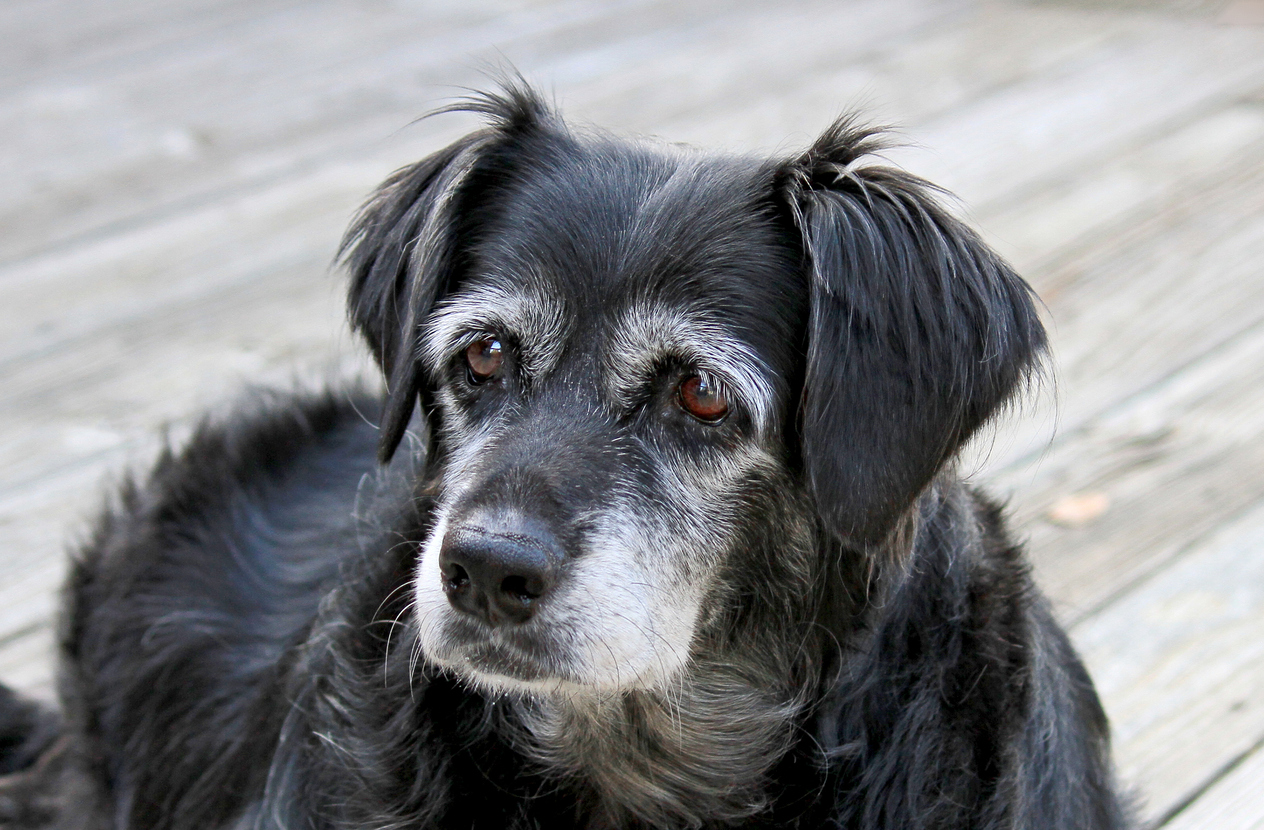
Recognizing the Signs of Ageing
The first step in caring for a senior pet is understanding the signs of ageing. Just as in humans, pets experience physical and cognitive changes as they grow older. The general age range for pets to be considered “senior” depends on the species and breed. For dogs, a small breed may be considered senior around 7 years old, while larger breeds might start showing signs of ageing as early as 5. Cats typically enter their senior years at around 10 years of age.
Common signs of ageing in pets include:
- Reduced energy and slower movement: Senior pets may not have the same energy levels or enthusiasm for play and walks.
- Arthritis and joint pain: Stiffness, limping, and difficulty climbing stairs or jumping may indicate arthritis or other joint issues.
- Vision and hearing loss: Senior pets may become less responsive to sounds or may struggle with navigating their environment.
- Changes in behavior: Cognitive dysfunction syndrome (like dementia in humans) can cause confusion, disorientation, and changes in sleep patterns.
- Changes in appetite or weight: Senior pets may experience weight gain or loss due to changes in metabolism or dental issues.
Regular Veterinary Checkups
One of the most crucial aspects of caring for a senior pet is regular veterinary visits. As pets age, their health needs become more complex, and routine checkups are vital to identify potential issues before they become serious. Annual or semi-annual checkups are typically recommended for senior pets. These visits may include blood tests, urine analysis, dental exams, and screening for common age-related conditions like kidney disease, heart disease, or arthritis.
A veterinarian may also recommend specific monitoring services for pets with certain health risks. For instance, holter monitoring services can be particularly useful for pets with suspected heart conditions. This non-invasive procedure involves wearing a small device that monitors the heart’s rhythm over a period, providing valuable data to help diagnose heart problems.
Diet and Nutrition
Diet plays a critical role in a senior pet’s overall well-being. As pets age, their metabolism slows, and they may require fewer calories. However, it’s important to ensure they still get the necessary nutrients to support their health. High-quality senior pet food is specifically designed to provide the right balance of protein, fiber, and essential vitamins while being easier on their digestive system.
Some senior pets may develop specific dietary needs due to health issues. For example, pets with kidney disease may require a special diet low in phosphorus and protein to support kidney function. Obesity is also a common issue in older pets, so portion control and limiting treats can help maintain a healthy weight.
Exercise and Mental Stimulation
While senior pets may not have the same energy levels as when they were younger, they still benefit from regular exercise to maintain mobility and muscle mass. Gentle, low-impact activities like short walks or swimming can help keep your pet active without putting too much strain on their joints. Avoid overexerting them, especially if they have arthritis or heart issues, and be mindful of signs of fatigue.
Mental stimulation is equally important for senior pets. Interactive toys, puzzle feeders, and training sessions can help keep their minds sharp. Cognitive dysfunction syndrome (CDS), a condition like Alzheimer’s disease in humans, can affect senior pets, leading to memory loss and confusion. Engaging your pet in activities that challenge their brain can slow the progression of this condition.
Comfort and Environment
Creating a comfortable environment for your senior pet is essential to their well-being. This may involve adjusting their living space to accommodate their changing needs. Providing orthopedic beds can help alleviate joint pain and offer better support. Consider adding ramps or stairs to help your pet access their favorite resting spots or to get into the car.
Senior pets may also become more sensitive to temperature changes. Make sure they have a warm, quiet place to rest, especially if they are prone to arthritis. In addition, some pets may become more anxious as they age, so creating a calm environment free from loud noises or chaos can help them feel more secure.
Caring for a senior pet requires patience, dedication, and a willingness to adapt to their changing needs. By staying on top of their health through regular vet visits, adjusting their diet and exercise routine, and providing a comfortable living environment, you can help your ageing pet live out their years with comfort and dignity. Always be vigilant for signs of ageing-related health issues, and don’t hesitate to consult with your veterinarian about the best course of action to ensure your senior pet remains as happy and healthy as possible.



Leave a Reply