

















Buying a face serum shouldn’t be that difficult… Yet, the skincare shelves are filled with products promising incredible and sometimes even unrealistic results, often failing to actually deliver them. So if you’re looking for a no-nonsense guide, you’re in the right place!
What a serum does (and doesn’t)
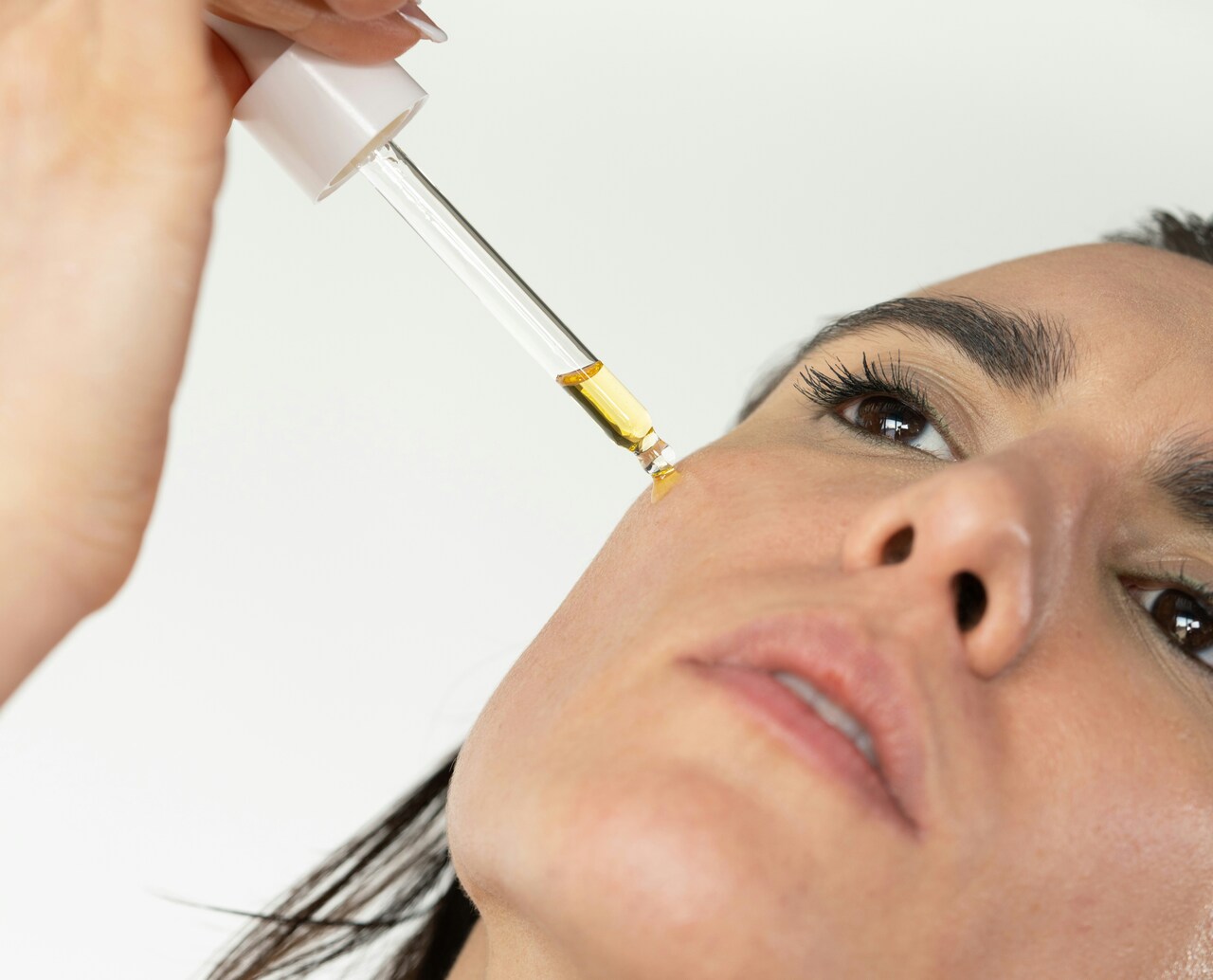
One of the most common mistakes people make is confusing moisturisers with serums. A moisturiser is designed to mainly sit on top of your skin and lock in hydration, whereas a serum is built to give you a concentrated dose of a particular active ingredient, absorbing deep into the skin.
The active ingredients can be anything, from vitamin C or D serums to retinol, each targeting a different issue (pigmentation spots, acne, wrinkles, etc.). So, while certain serums do come with moisturising properties, such as a hyaluronic acid serum, it usually doesn’t replace your moisturiser.
Additionally, serums are known for their lighter texture and faster absorption, meaning you get more punch per drop. What you’re paying for is the concentration of high-quality active ingredients, not volume. Therefore, comparing the pricing of a moisturiser and a hyaluronic acid serum is like comparing apples to oranges.
The ingredients worth paying for
Not every ingredient on a label is actually worth paying for. The below table outlines the most common active ingredients you might find in a face serum and what each does:
| Ingredient | What it Does | Best For |
| Hyaluronic acid | Pulls water into the skin’s surface layer | Dehydrated, tight-feeling skin and wrinkles |
| Vitamin C | Antioxidant that helps fade dark spots and dullness | Uneven tone, early sun damage |
| Salicylic acid | A chemical exfoliant that gently unclogs pores | Congested or textured skin, blackheads |
| Retinol / Retinal | Increases cell turnover and stimulates collagen production | Fine lines, wrinkles, uneven texture |
| Resveratrol (often used as retinol alternative) | Antioxidant that protects against inflammation and oxidative stress | General ageing prevention, antioxidant support |
| Niacinamide | Supports the skin barrier and regulates oil production | Enlarged pores, oiliness, post-acne marks |
| Ceramides | Replenish the skin barrier and reduce water loss | Dry and sensitive skin |
| Azelaic acid | Reduces inflammation and pigment production | Acne, Rosacea, redness, hyperpigmentation |
Natural VS synthetic ingredients
A natural face serum uses ingredients that are derived from plants and other natural sources to hydrate and protect the skin. This usually includes antioxidant-rich botanical extracts and nourishing oils rather than synthetic actives online.
For example, retinol is not considered a natural ingredient in skincare products, whereas resveratrol is naturally found in plants. Similarly, although ceramides are naturally present in human skin, most products use synthetic versions. Synthetic doesn’t necessarily mean more harsh or unsafe, but some people tend to find them gentler on the skin or simply prefer to use ingredients found in nature.
Matching a serum to your skin
The types of serums you use should be based on your individual needs. So, to round up the ingredients, here’s a simple way to match different serums to your skin type:
• Dry or dehydrated: Look for hyaluronic acid as the first or second ingredient listed.
• Dull or uneven skin tone: Choose a brightening vitamin C or antioxidant-led formula.
• Oily or congested: Prioritise lighter, water-based serum with gentle exfoliating acids, like salycific acid.
• Wrinkles or fine lines: Hydrating formulas that promote firming and collagen production, like retinol or resveratrol and vegan collagen.
• Sensitive skin: Fewer ingredients, preferably naturally-derived, and no added fragrance.
Adding it into your routine Before adding a new serum into your regular skincare routine, it’s always a good idea to do a patch test. The best way to do this is by trying the product on your inner arm for 24 to 48 hours before it goes anywhere near your face. If that skin patch becomes irritated, then the serum is not suitable for your skin.
Once you’re in the clear, introduce the serum gradually into your routine, especially highly concentrated ingredients. Start with once or twice a week and build up to daily use over time. The order of use matters too: ideally, apply thinnest to thickest. So, cleanse, serum, moisturiser, SPF and then any make up.
The bottom line
A face serum is not a must-do, but it can certainly take your skincare to the next level. One good-quality natural face serum can outperform a whole shelf of mediocre products.


Leave a Reply