












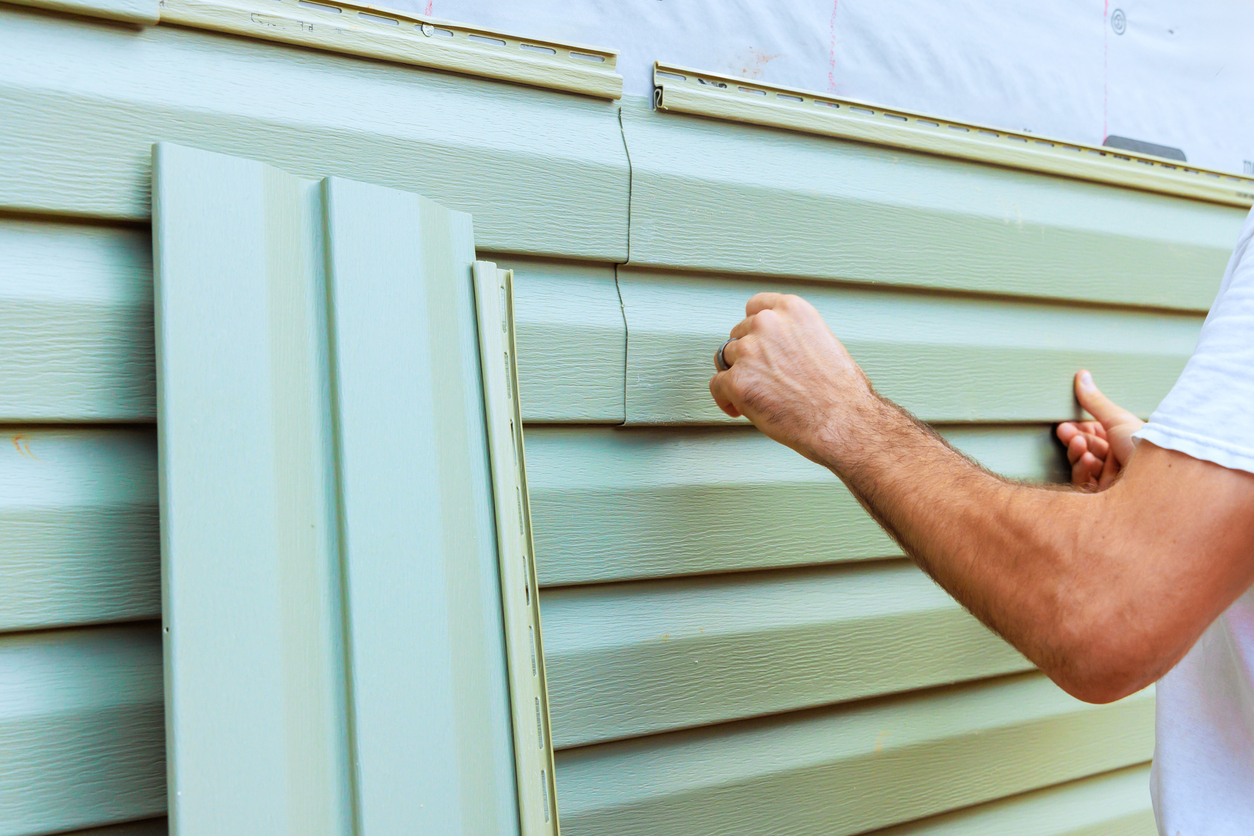
If you suspect your house is shedding its skin like a tired reptile then you are probably right and the short answer is that you need to look for physical cracks, warping panels, rotting boards, bubbles under the surface, fungus growth, high energy bills, peeling interior paint, loose panels, holes from insects, rusty nails, severe fading, or gaps around your windows. If you see these things then your siding is failing and it is letting moisture into the bones of your home which is bad news. That is the summary. But spotting these things isn’t always as simple as walking around the block and staring at the wall.
I’ve spent enough time on ladders to tell you that siding is sneaky. It hides secrets. Sometimes it looks fine from the street but when you get up close and poke it with a screwdriver it crumbles like dry cake. You have to know what you’re looking at.
Cracks and Gaps Are Obvious Warnings
Let’s start with the stuff you can see without squinting too hard since visual inspection is usually step one. Cracks are the first major red flag. If you have vinyl siding cracks are usually a sign of impact damage or age because the plastic gets brittle over the years.
I think people ignore small cracks too often. They think oh it is just a hairline fracture it will be fine. It won’t be fine. Water is patient. Water will find that crack and it will work its way behind the cladding and sit there against the sheathing and rot your house out from the inside.
Wood siding is different though. Splits in wood siding or clapboard usually mean the wood has dried out too much or the sealant has failed completely. If you can fit a dime into a crack in your wood siding you have a problem that caulking might not fix anymore.
Warping and Buckling Looks Like a Mess
Have you ever looked down the side of your house and noticed it looks wavy? Like the ocean on a calm day but made of plastic or wood. That is warping. It’s buckling.
This happens for a couple of reasons. Sometimes it is the heat. If you have vinyl siding and your neighbour has high efficiency windows the reflection can actually melt your siding. It sounds crazy but I have seen it happen. More often though it is bad installation.
Siding needs to float. If the installer nailed it too tight the panels can’t expand and contract when the temperature changes so they buckle outward. It looks terrible & it compromises the seal of the home.
Rot Is the Silent Killer
This is the one that scares me the most.
Rot isn’t always visible. Sometimes it hides under layers of paint. Dry rot is particularly nasty because it eats the cellulose in the wood leaving it brittle. If you have wood siding you need to go around with a screwdriver or an awl and gently poke the boards. If the tool sinks in like you are poking a block of cheese then you have rot.
Soft spots are a guarantee that moisture has been trapped there for a long time. You might find this near the bottom of the wall where rain splashes back up or around the gutters if they are leaking. Once rot starts it doesn’t stop until you cut it out.
Mold and Mildew and Fungus
Green stuff growing on your house is not a landscaping feature. If you see mold or mildew or moss growing on the shady side of your house it might just be surface dirt. That happens. You can usually power wash that off.
However.
If the fungus is growing out of the seams or mushrooms are sprouting from the wood then you have a deep moisture issue. This means the wall behind the siding is wet enough to support life. That is never good. I recall looking at a house a few years back that had literal mushrooms growing out of the corner post. The homeowner thought it was quaint. It was actually about ten thousand dollars worth of structural repair waiting to happen.
Mold loves moisture. If you see it investigate it. Don’t just scrub it off and forget about it.
Peeling Paint Inside the House
This sounds weird right? Why would bad siding affect the inside of my living room? It’s connected. If your exterior cladding is failing and letting water into the wall cavity that moisture has to go somewhere.
Often it travels through the insulation and hits the drywall. This causes the paint or wallpaper inside your house to bubble and peel. If you have a room that feels damp or the paint is flaking off an exterior wall and you don’t have a plumbing leak there look outside.
Your siding is likely the culprit. It is failing to keep the weather out. This is a sign the failure has occured for a while and is now affecting the interior structure.
Your Heating Bills Are Going Up
Siding isn’t just about looking pretty it is part of the insulation envelope of your home. If your energy bills have spiked and you haven’t started running a crypto mining farm in the basement then your insulation might be compromised.
Drafts around electrical outlets and windows can indicate that the siding and the house wrap underneath are no longer doing their job. Heated air is escaping. Cold air is getting in. You are essentially paying to heat the neighbourhood.
If the siding is loose or missing panels the wind washing effect can reduce the R-value of your insulation significantly. It’s money flying out of the walls.
Bubbling and Blistering Skins
If your siding has paint on it and that paint is bubbling or blistering pay attention. Bubbles mean one thing. Moisture.
Water is trying to get out. It is trapped under the paint film. When the sun hits the wall the water turns to vapour and pushes the paint out forming a bubble. This means the siding itself is wet. Scraping and painting over it won’t fix the root cause if the board is saturated.
If you see bubbles on vinyl it usually means extreme heat exposure but on wood or fiber cement it is almost always a water issue.
Severe Fading Is More Than Cosmetic
We all get a bit grey as we get older. Siding is the same. But severe fading does more than just make the house look sad. It indicates that the UV protection on the material is gone.
On vinyl siding heavy oxidation makes the material brittle. You can test this easily. Rub your hand against the siding. If it leaves a chalky white powder on your fingers that is oxidation. A little bit is normal. A lot means the siding is nearing the end of its life span.
When vinyl gets brittle it cracks easily. One stray baseball or a heavy hail storm and you will have holes everywhere.
Loose Siding Flapping in the Wind
If you can hear your house rattling on a windy night that is not a ghost. It is your siding pulling away from the wall.
Loose siding often means the fasteners have failed. Maybe the nails missed the studs. Maybe the wood sheathing underneath has rotted so the nails have nothing to hold onto. I have seen entire sections of vinyl siding slide down a wall because the top track gave way.
This needs immediate attention because if the wind gets behind a panel it can rip it right off like a banana peel.
Holes From Insects and Woodpeckers
Nature hates a vacuum and it loves wood. If you see small holes in your wood siding look closely. Are they perfectly round? Probably carpenter bees. Are they ragged and messy? Could be woodpeckers.
Here is the thing about woodpeckers. They don’t just peck for fun. They peck because they hear bugs eating your house. If you have a woodpecker problem you usually have a termite or carpenter ant problem first. The bird is just the symptom.
Small holes are entry points for water. Large holes are structural damage. Neither is acceptable.
Rusty Nails and Streaks
Look at the nails or the fasteners if they are exposed. Are they rusty? Do you see brown streaks running down the siding from the nail heads?
This means the nails are corroding. Eventually they will snap and the siding will fall off. It also suggests that moisture is sitting on those nail heads longer than it should. Sometimes it just means the builder used cheap nails instead of galvanized or stainless steel ones but the result is the same.
Rust stains are ugly but the failure of the fastener is the real danger here.
Gaps Around Windows and Vents
Siding should meet your window frames and door frames snugly usually with a nice bead of caulk or flashing tape to seal the deal. If you see gaps widening there it means the siding has shifted.
Maybe it shrank. Maybe the foundation settled. Regardless of the reason a gap is a highway for water. You might think you can just fill it with more caulk but if the gap is getting wider you need to figure out why things are moving.
Check the flashing above the windows too. If that is missing or bent water is pouring behind the siding every time it rains.
What You Need to Check Next
So you walked around and saw some of these signs. Maybe you found a crack or a soft spot. Panic is not necessary but action is definitly required. You need to verify the extent of the damage before you call a contractor or try to fix it yourself.
The Screwdriver Test
I mentioned this earlier but I will say it again. Take a flathead screwdriver and gently probe any suspect wood areas. Don’t gouge it. Just press. If it is solid you are good. If it is soft you have rot.
Check the Sheathing
If you have a loose piece of siding try to peek underneath it. What does the house wrap look like? Is it torn? Is the wood sheathing black or wet? The siding is just the raincoat. The sheathing is the skin. If the skin is rotting you have a much bigger project on your hands than just swapping a few panels.
Use a Moisture Meter
You can buy a cheap moisture meter online or at a hardware store. They have two little prongs. You stick them into the wood and it tells you the moisture percentage. Anything over 20% is worrying. Anything over 30% is active rot territory. It is a handy tool that doesn’t lie.
If you are unsure about what you are seeing get a professional inspection. A reputable siding contractor or a general home inspector can tell you if you need a repair or a full replacement.
The Bottom Line
Replacing siding is EXPENSIVE. Nobody wakes up on a Saturday morning excited to spend thousands of dollars on cladding. I get it. I really do. It feels like money that just vanishes into the wall. But ignoring these signs is usually more expensive in the long run.
Your home is likely your biggest asset. The siding is the shield that protects that asset. If you see these signs don’t wait for the wall to fall down. Go outside & take a look. Be honest with yourself about what you see. It might be nothing. It might be a quick caulking job. Or it might be time for a change. Better to know now than to find out when the mushrooms start growing in your living room.


Leave a Reply