













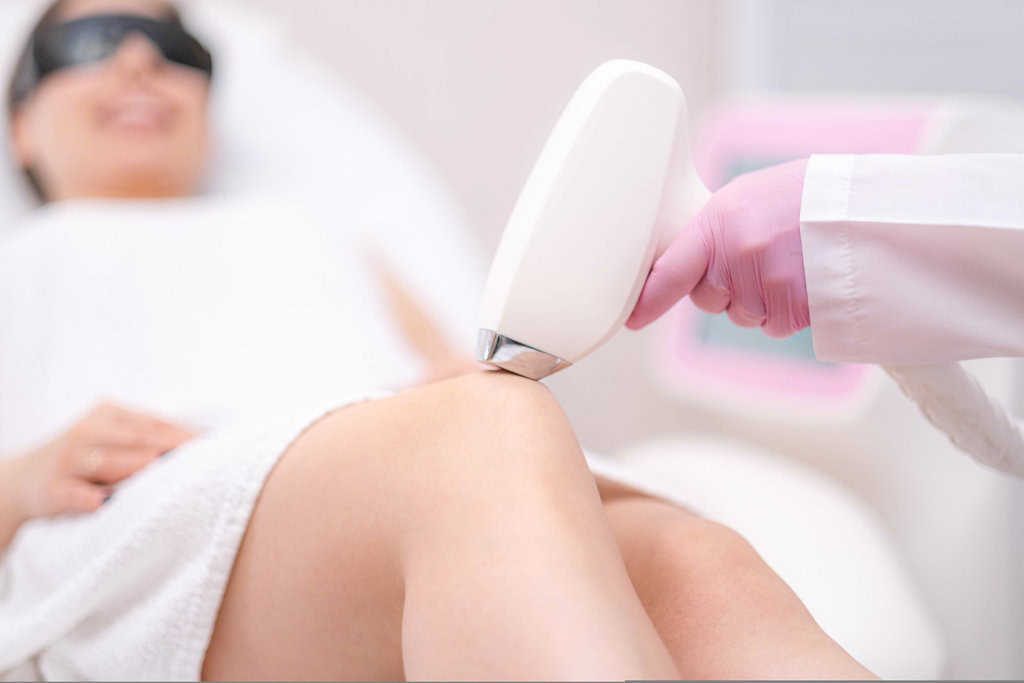
Laser hair removal, sugaring, and epilation are popular methods for achieving smooth, hair-free skin. Each technique offers unique benefits and drawbacks. Laser hair removal targets hair follicles with concentrated light pulses, providing long-lasting results and reducing hair growth over time. Sugaring uses a sticky paste to remove hair from the root, while epilation plucks multiple hairs simultaneously with a mechanical device.
The choice between these methods depends on individual preferences, skin type, and hair color. Laser hair removal is particularly effective for those with dark hair and light skin, offering a more permanent solution. Sugaring and epilation can be suitable for various hair and skin types but require more frequent treatments.
Cost and time commitment are important factors to consider. While laser hair removal may have a higher upfront cost, it often proves more cost-effective in the long run due to its lasting results. A laser hair removal service at Laserbody MD, or other reputable clinics can provide professional treatments with advanced technology for optimal outcomes.
Key Takeaways
- Laser hair removal offers long-lasting results by targeting hair follicles with light pulses
- Sugaring and epilation remove hair from the root but require more frequent treatments
- Choice of method depends on individual factors like skin type, hair color, and budget
Understanding Different Hair Removal Techniques
Hair removal techniques vary in effectiveness, duration, and suitability for different skin types. Laser hair removal offers long-term results through targeted light energy, while sugaring and epilation provide temporary hair removal through mechanical or natural means.
Laser Hair Removal: Technique and Effectiveness
Laser hair removal uses focused light to target hair follicles. The melanin in hair absorbs the laser energy, damaging the follicle and inhibiting future growth. This technique is most effective on dark hair and light skin, but advancements allow treatment for various skin tones.
Results typically require 6-12 sessions, with each treatment lasting 20-30 minutes. Permanent hair reduction is achievable, though some may need periodic touch-ups. The process can cause mild discomfort, often described as a rubber band snap.
Laser treatments offer long-term results and convenience. However, they can be costly and may not be suitable for all hair colors. Professional application is crucial to avoid potential side effects like burns or skin color changes.
Sugaring and Epilation: Natural and Mechanical Methods
Sugaring is a natural hair removal method using a paste of sugar, lemon, and water. The mixture adheres to hair and removes it from the root when pulled off. This technique can be less painful than waxing and may reduce ingrown hairs.
Epilation involves mechanically removing hair from the root using a device with rotating tweezers. Both methods provide smoother skin for 2-3 weeks, depending on individual hair growth patterns.
These techniques work on various hair colors and lengths. They can be performed at home, offering cost-effective alternatives to professional treatments. However, they require regular maintenance and can cause temporary redness or irritation.
Sugaring and epilation may be preferable for those with sensitive skin or who seek natural hair removal options. While not permanent, they can lead to finer regrowth over time with consistent use.
Considerations for Choosing a Hair Removal Method
Selecting the right hair removal method involves weighing several key factors. Pain tolerance, budget constraints, and individual skin and hair characteristics all play crucial roles in making an informed decision.
Comparing Pain and Discomfort
Laser hair removal typically causes minimal discomfort. Many describe it as a rubber band snap sensation. Numbing creams can reduce sensitivity during treatment.
Sugaring and epilation can be more painful, especially for first-time users. These methods involve pulling hair from the root, which can be uncomfortable on sensitive areas.
Pain tolerance varies among individuals. Some find epilation becomes less painful with repeated use. Others prefer the quick zaps of laser treatment to the prolonged process of sugaring or epilation.
Cost and Convenience Factors
Laser hair removal often requires a larger upfront investment. Multiple sessions are necessary for optimal results. However, it can be cost-effective long-term due to its semi-permanent nature.
Sugaring and epilation are more budget-friendly initially. These methods can be done at home, saving time and money on salon visits. However, they require frequent maintenance.
Time commitment differs between methods. Laser sessions are spaced weeks apart but offer longer-lasting results. Sugaring and epilation need more frequent application but can be done on your own schedule.
Skin and Hair Specifics
Laser hair removal works best on dark hair and light skin. The laser targets melanin in hair follicles. It may be less effective on blonde, gray, or red hair.
Sugaring and epilation work on all hair colors. These methods are suitable for various skin tones. They can be effective options for those with lighter hair unsuitable for laser treatment.
Skin sensitivity is an important consideration. Laser treatments may cause temporary redness or irritation. Sugaring is gentler on the skin compared to waxing. Epilation can lead to ingrown hairs in some individuals.
Hair thickness and growth patterns impact method effectiveness. Coarse hair responds well to laser treatment. Fine hair may be more easily managed with sugaring or epilation.
Conclusion
Laser hair removal and sugaring offer distinct approaches to hair removal with their own advantages. Laser treatments provide long-lasting results by targeting hair follicles, while sugaring offers a more natural option suitable for sensitive skin. The choice between the two methods depends on individual preferences, skin type, and budget considerations. Consulting with a professional can help determine the most appropriate hair removal technique for each person’s needs.


Leave a Reply