











Cycle syncing is an approach to optimizing health and wellness by aligning your lifestyle, diet, and exercise with the phases of your menstrual cycle. This method, which is gaining popularity among women, particularly those seeking hormonal balance, is rooted in the idea that hormonal fluctuations influence energy levels, mood, and physical performance.
By understanding and working with these changes, cycle syncing can help alleviate symptoms of hormonal imbalances, such as fatigue, irritability, and menstrual discomfort. This article explores the menstrual cycle phases, the cycle syncing principles, and how this practice can benefit overall hormonal health.
Understanding the Menstrual Cycle
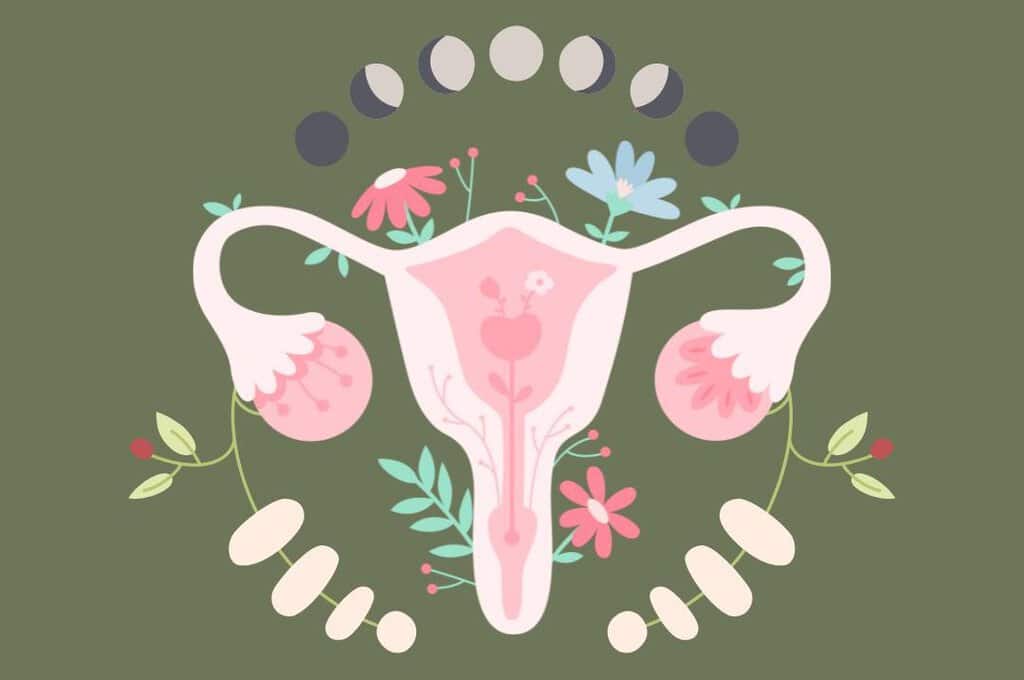
The menstrual cycle is a dynamic process that prepares the female body for potential reproduction. It is governed by complex interactions between hormones produced by the brain and ovaries, primarily estrogen and progesterone. Understanding its phases and unique characteristics is key to effectively implementing cycle syncing. Below is a detailed overview of each phase.
Menstrual Phase (Days 1–5)
This phase begins on the first day of menstruation when the uterine lining (endometrium) sheds, resulting in bleeding. Hormone levels, particularly estrogen and progesterone, are at their lowest during this time.
Many women experience fatigue, cramps, and lower energy levels. Other common symptoms include headaches, bloating, and mood swings. You may feel introspective or need rest and solitude, making this a good time to reflect and plan for the upcoming cycle.
Follicular Phase (Days 6–14)
After menstruation, the follicular phase begins. The pituitary gland releases follicle-stimulating hormone (FSH), which stimulates the ovaries to develop follicles. Estrogen levels rise, thickening the uterine lining in preparation for a potential pregnancy. You may notice a boost in energy, mental clarity, and optimism as estrogen increases. Skin often appears clearer, and mood tends to stabilize.
Ovulatory Phase (Days 15–17)
This phase marks the release of a mature egg from the ovary, triggered by a surge in luteinizing hormone (LH). Estrogen reaches its peak, and testosterone levels also increase slightly, further boosting energy and libido. Women often feel their most vibrant and outgoing during this phase. Signs of ovulation may occur, such as a slight rise in basal body temperature and changes in cervical mucus. It becomes clear and stretchy, like egg white.
Luteal Phase (Days 18–28)
Following ovulation, the luteal phase begins. The ruptured follicle transforms into the corpus luteum, which produces progesterone. This hormone prepares the uterine lining for implantation in case of fertilization. If pregnancy does not occur, the corpus luteum dissolves, and progesterone levels decline, triggering the next cycle.
Many women experience premenstrual symptoms (PMS) during this phase, including bloating, irritability, breast tenderness, and cravings. Energy levels may fluctuate, particularly in the second half of the luteal phase.
How Cycle Syncing Works
Cycle syncing is a holistic approach to health and wellness that aligns daily habits – such as nutrition, exercise, work productivity, and self-care – with the natural hormonal fluctuations of the menstrual cycle. Women can optimize their physical, mental, and emotional well-being by tailoring these activities to the body’s changing needs during each cycle phase. Let’s break down how cycle syncing works across key aspects of life.
Dietary Adjustments
- Menstrual Phase: Focus on iron-rich foods like spinach, lentils, and red meat to replenish lost nutrients.
- Follicular Phase: Incorporate light, fresh foods like salads, lean proteins, and berries.
- Ovulatory Phase: Opt for anti-inflammatory foods like nuts, seeds, and cruciferous vegetables, like broccoli, Brussels sprouts, cabbage, and cauliflower to support liver detoxification.
- Luteal Phase: Add complex carbohydrates (e.g., sweet potatoes, quinoa) to stabilize blood sugar levels.
Exercise Modifications
- Menstrual Phase: Prioritize gentle activities like yoga or walking.
- Follicular Phase: Transition to cardio workouts or light strength training.
- Ovulatory Phase: Engage in high-intensity interval training (HIIT) or weightlifting.
- Luteal Phase: Slow down with Pilates, swimming, or moderate cardio.
Lifestyle and Productivity
- Menstrual Phase: Reflect, set intentions, and allow for introspection.
- Follicular Phase: Initiate new projects and creative endeavors.
- Ovulatory Phase: Network, collaborate, and present ideas.
- Luteal Phase: Focus on completing tasks and winding down.
Benefits of Cycle Syncing
- Improved Hormonal Balance: Aligning your habits with your cycle can reduce hormonal imbalances, helping manage conditions like PCOS, endometriosis, or irregular periods.
- Enhanced Energy and Productivity: Working with your body’s natural rhythms minimizes burnout and maximizes energy levels.
- Reduced PMS Symptoms: Tailored nutrition and exercise can ease bloating, mood swings, and cramps, making the luteal phase more manageable.
- Empowered Self-Awareness: Cycle syncing encourages a deeper understanding of your body, fostering a sense of empowerment and connection.
- Optimized Fertility Health: By recognizing the ovulatory phase, women aiming to conceive or prevent pregnancy can better track their fertility window.
The Bottom Line
Cycle syncing is more than a trend; it’s a lifestyle rooted in honoring the body’s natural rhythms. You can achieve better hormonal balance, enhanced well-being, and a deeper connection to your health by aligning your habits with your menstrual phases. Whether managing PMS, optimizing fertility, or simply seeking a holistic approach to wellness, cycle syncing offers a roadmap to living in harmony with your cycle.


Leave a Reply