












In a world that constantly bombards us with demands and challenges, it’s crucial to acknowledge that while we cannot completely eliminate stress from our lives, we can manage its impact. Reducing stress is not only essential for maintaining mental equilibrium but also for safeguarding our physical health. By adopting certain strategies, we can significantly lessen the effects of stressors that surround us daily.
So, if you’re seeking a solution to stress, we’ve got several strategies here that might help you towards a stress-free life.
1. Prioritize Sleep
One of the most effective ways to combat stress is to prioritize sleep. Quality sleep recharges the brain, heals the body, and fortifies virtually every system within us. Establish a regular sleep schedule. Create a bedtime routine that tells your body it’s time to wind down. This could be anything like reading a book or taking a warm bath. Keep electronic devices out of the bedroom to avoid blue light exposure, which can disrupt sleep patterns. By ensuring that you sleep for a minimum of seven hours every night, you can set a strong foundation for a less stressful day.
2. Create a Home Retreat
Transforming part of your home into a personal retreat can significantly enhance your ability to cope with daily stress. Start with the bathroom, a private space where you can relax undisturbed. Consider installing a walk-in tub for a spa-like experience at home. Adding elements like scented candles or soothing music can also recreate the tranquil atmosphere of a spa. For such renovations, hiring experts is crucial to ensure that the installations are done safely and effectively. In order to search for local professionals, use keywords like walk-in tub installation company near me and explore some options online.
These changes not only increase your home’s aesthetic appeal but also provide a go-to sanctuary for unwinding.
3. Maintain Physical Activity
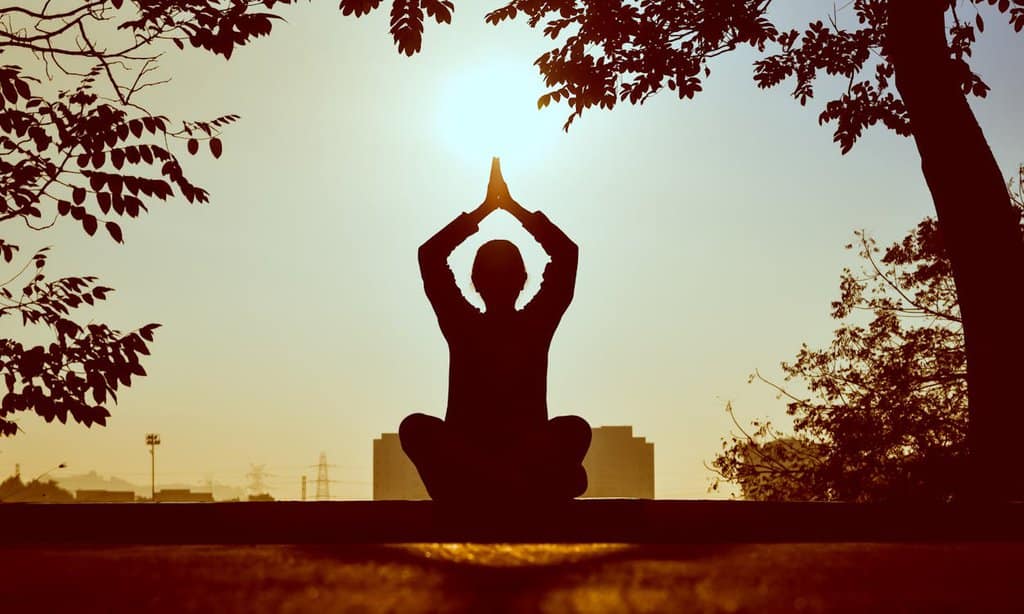
Physical activity is a powerful stress reliever. It pumps up your endorphins, the brain’s feel-good neurotransmitters. They can mimic the effects of meditation, helping you find calm. Incorporate activities like yoga, which emphasizes breathing and flexibility, or take brisk daily walks. Even ten minutes of aerobic exercise can dramatically reduce anxiety levels. If you find gyms intimidating or too costly, simple home workouts or online classes can be equally effective. The key is consistency and finding an activity you enjoy, which helps in making exercise a regular part of your stress reduction toolkit.
4. Practice Mindfulness and Meditation
Mindfulness and meditation are practices that help you stay present and grounded, reducing the tendency to overthink stressful situations. Start with as little as five minutes a day, focusing on your breathing or repeating a calming word or phrase. Apps and online tutorials can guide beginners through the basics of meditation. Over time, these practices can help decrease anxiety and stress by enhancing your awareness and providing a quick method to regain control over your thoughts and emotions.
5. Foster Social Connections
Maintaining strong social connections plays a crucial role in stress management. Interacting with friends and family provides emotional support that is invaluable during tough times. Make it a point to communicate regularly with loved ones, whether through social gatherings, phone calls, or video chats. These interactions can offer comfort, advice, and a different perspective on the stressors you might be facing.
6. Manage Time Effectively
Effective time management is key to reducing stress. Feeling overwhelmed is often a byproduct of poor time management skills. Start by prioritizing tasks based on urgency and importance. Create a daily or weekly to-do list and use tools like digital calendars or task management apps to keep track of deadlines and appointments. Allocate breaks between tasks to prevent burnout and keep your mind sharp. By organizing your day and setting realistic expectations for what you can achieve, you can reduce the frantic feeling of running out of time, which directly decreases stress levels.
7. Limit Social Media and Screen Time
In today’s digital age, it’s easy to become engrossed in social media, leading to increased stress and anxiety. Excessive use of social media can skew perceptions of reality and lead to feelings of inadequacy or jealousy. To manage this, set specific times of the day for checking social media and stick to them. Use apps that limit the amount of time you can spend on these platforms. Additionally, designate screen-free times, especially before bed, to improve sleep quality and reduce mental clutter. By consciously reducing your screen time, you allow your mind to reset and decrease the stress that comes from constant connectivity.
8. Embrace a Healthy Diet
What you eat has a significant impact on your stress levels. Eat plenty of fruits and veggies. Avoid excessive caffeine and sugar, which can cause energy spikes and crashes, leading to increased stress and anxiety. Incorporate foods high in omega-3 fatty acids, like salmon and avocados, which have anti-inflammatory properties that help combat stress. Staying hydrated is also essential, as dehydration can cause confusion and anxiety. A healthy diet fuels your body appropriately, enhancing your ability to manage stress effectively.
9. Learn to Say No
Overcommitting can lead to stress and burnout. Learning to say no is a vital skill in stress management. Assess your commitments and decide if they are necessary and fulfilling. Be honest about what is realistic for you to take on without compromising your health or existing obligations. It’s important to communicate your limits to others with clarity and respect.
10. Seek Professional Help When Needed
Sometimes, the best way to manage stress is to seek professional help. Recognizing when you are overwhelmed and unable to cope on your own is a strength, not a weakness. Mental health professionals can provide support, teach effective coping strategies, and offer therapies that address the root causes of your stress. There is a wide range of resources available, from counseling and therapy to support groups and mental health apps. Seeking help is a proactive step in taking control of your stress and ensuring long-term mental health.
Conclusion
While stress is an inevitable part of life, its effects can be managed effectively by incorporating practical strategies into your daily routine. The strategies we discussed in this article offer a way to not only cope with stress but also enhance your overall well-being. By taking small, consistent steps to integrate these practices into your life, you can build resilience against stress and improve your quality of life significantly. Remember, the goal is to manage stress, not eliminate it, ensuring a healthier, more balanced lifestyle.


Leave a Reply