
















Improving energy efficiency at home doesn’t only save money on utility expenses, it also helps to reduce environmental impact. Installing uPVC casement windows is one way to achieve this and they are excellent insulators and reduce heat loss considerably.
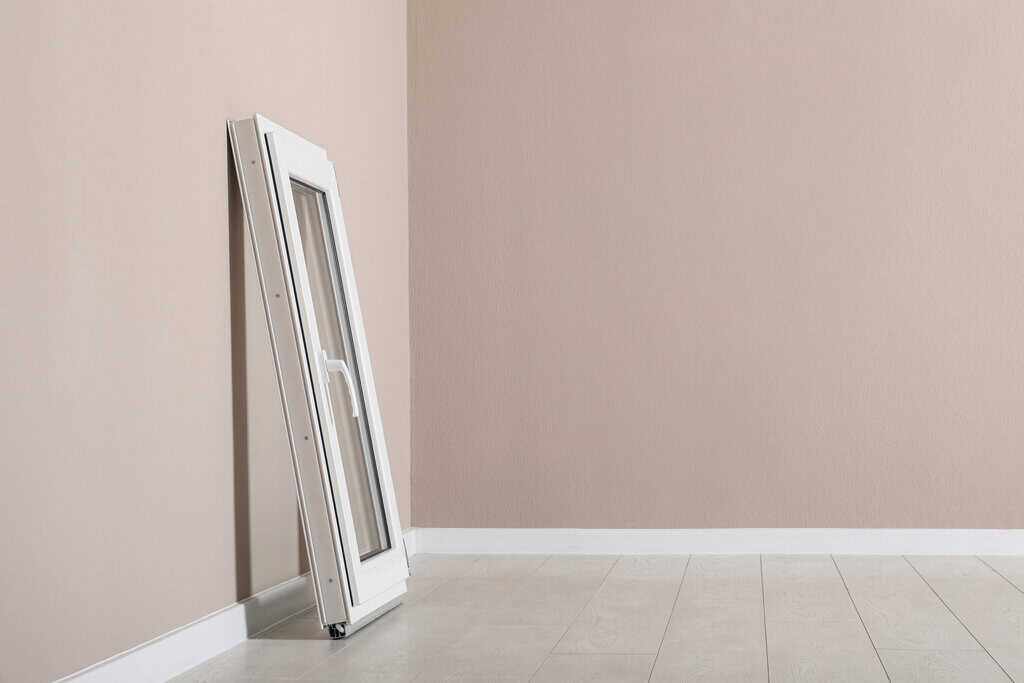
Understanding uPVC Casement Windows
Window frames are commonly made from a rigid, durable material called unplasticized polyvinyl chloride, or uPVC. Hinged at the side, casement windows swing outward like doors, and provide excellent ventilation. When installed together, uPVC casement windows create a combination of robustness and functionality that makes them the perfect choice for energy conscious homeowners.
Superior Insulation Properties
One of the great advantages of uPVC casement windows is that they are so good at insulating. uPVC has a low thermal conductivity and therefore does not easily transfer heat. Air is trapped in multi chambered frames, creating a barrier between the indoor and outdoor environment to prevent heat exchange.
Reducing Energy Bills
Indoor climate control reduces natural heating and cooling requirements. Less need to constantly change thermostats results in less energy consumption. This will result in noticeable savings on electricity bills and makes uPVC casement windows a cost effective investment.
Minimizing Heat Loss
Drafts and uneven temperatures are common with traditional windows, which often allow warm air to escape and cold air to seep in. uPVC casement windows have tight seals and weather resistant fittings that keep drafts out. They help minimize heat loss and thus increase comfort levels inside the home during colder months.
Environmental Benefits
Lowering energy usage doesn’t just save you money — it lowers carbon emissions tied to generating power, too. Choosing windows that promote insulation is a way that homeowners can reduce their carbon footprint and help promote environmental sustainability.
Durability and Low Maintenance
It is well known that uPVC is resistant to the elements. It doesn’t rot, warp or corrode, even in poor weather. This durability means the windows need very little upkeep, requiring only occasional cleaning which takes less time and money in the long run.
Sound Insulation Advantages
In some cases, noise pollution may have a huge impact on quality of life. In addition to its insulating properties, uPVC casement windows also insulate against sound. Such frames and seals are thick and secure, deadening external noises to provide a quieter and calmer indoor setting.
Enhancing Home Security
Any homeowner will want their home to be secure and uPVC casement windows are robust and can be fitted with sophisticated locking mechanisms which will add an extra layer of protection from would be intruders.
Aesthetic Versatility
These windows come in all sorts of styles, colors and finishes, and can match any architectural design. uPVC casement windows are flexible in appearance whether you are going for a modern look or a classic one because they are flexible.
Final Thoughts
It is a strategic move in upgrading to uPVC casement windows and is also a move that will lead to greater energy efficiency and tremendous cost saving. Not only do they help reduce utility bills, but they also help a cleaner environment by reducing carbon emissions. These windows have added benefits of durability, low maintenance, sound reduction and improved security and would be a total solution to homeowners looking to enhance comfort and sustainability in their living spaces.


Leave a Reply