














Every time you buy a new piece of clothing, it comes with a label full of mysterious symbols. If you ignore them, chances are good that you will destroy your new garment on the first wash – or at least damage a more delicate material, causing it to lose its appearance and color.
This is because some types of fabric require you to follow specific washing instructions like staying within certain temperatures and conditions. Specific materials might also be kept well away from the washing machine so that a catastrophe does not happen.
Putting it that way, it seems like fragile or delicate fabrics are complicated or some burden on your wardrobe. But they don’t have to be.
Follow these tips to understand how to maintain and protect your delicate clothes.
What Makes Clothing Delicate?
Delicate fabrics differ from sturdier materials (such as microfiber, cotton, and linen) because they are lighter, softer, flexible, and malleable. This way, it’s possible to produce high-quality clothing and luxury items with a unique look and more expensive and valued.
The investment pays off if you follow the rules when dealing with these fabrics. Otherwise, being so fragile, they will quickly damage or wear out when you try to wash them.
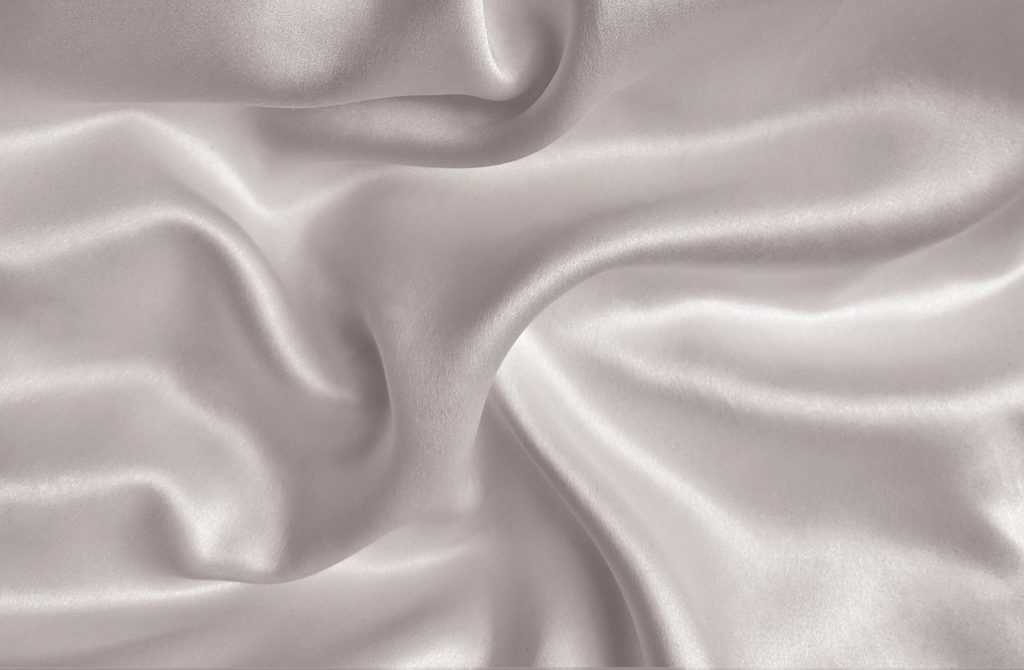
These are some of the most delicate fabrics out there (some of them are quite expensive).
- Silk
- Velvet
- Leather
- Sheer fabrics like chiffon
- Cashmere wool
- Lace
What To Avoid When Handling Delicate Clothing
Those symbols on the clothing label usually have everything you need to know to wash delicate materials safely, if you need to hand wash them or use dry cleaning, with hot or cold water, the ideal temperature, etc.
Considering that a lot of people generally don’t care about labels, these are the main mistakes when handling delicate clothing:
- Washing certain fabrics incorrectly when placing different materials in the same wash, at the same temperature, and sometimes even with an inappropriate, strong soap or detergent.
- Trying to iron a material that cannot withstand high temperatures.
- Stretching clothing inadvertently by putting them in the washing machine with an improper cycle.
- Leather not properly cared for (left out in the sun, washed with inappropriate soaps, etc.)
Tips To Maintain Delicate Clothing
Now that you know some of the big mistakes when dealing with fragile fabrics, you can take a step closer to avoiding them.
Additionally, here are some common behaviors you should adopt to maintain your delicate clothing better:
Read the Label
Yes, this sounds repetitive, but you need to understand those symbols on your clothing label to know how best to deal with them before washing.
Choose the Best Wash
Certain delicate fabrics can be hand-washed, but others require dry-cleaning in a professional laundry. Make sure of this before trying to do it yourself.
Sort Colors and Materials
Whether by hand or dry-cleaning, always sort delicate clothing by fabric type and color before washing. Never mix materials or light and dark colors.
Be Careful Before Ironing
Some materials are too sensitive to contact the iron directly and can burn immediately. Some fabrics can be straightened with a steamer, but some should not be ironed at all.
Avoid Soaking Clothes
Fragile materials should be wet and rinsed just for a short time. Avoid soaking them because it can fade the colors, damage more delicate details, and even cause the piece to shrink.
Don’t Trust Gentle Cycle
Some washing machines offer a “gentle cycle” option. But this is not suitable for most delicate fabrics because the clothes continue to be shaken and remain soaked for a long time.
Don’t Forget to Empty Your Pockets
As elementary as it sounds, many people still forget things in their clothes that can help damage the item itself and the fabric. Watch out for money, pens, or rimless glasses for men forgotten in your pants or shirt pocket.
Your Delicate Clothes Deserve Proper Care
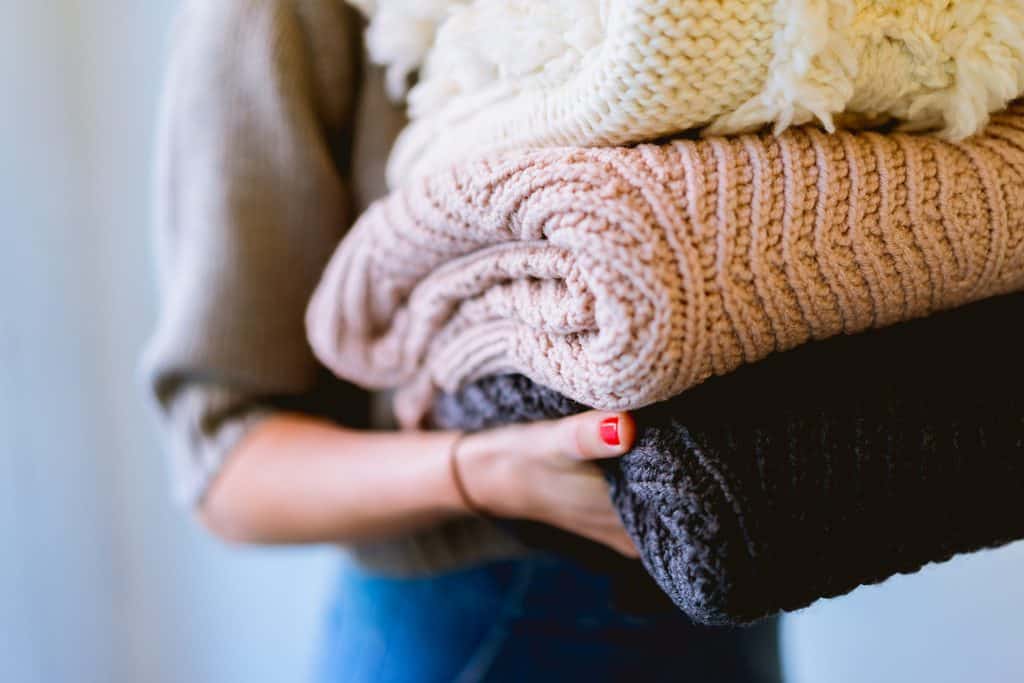
If you’ve ever stretched or shrunk a cashmere sweater or ruined a piece of silk while trying to iron it, you already know how it hurts your heart (and your pocket too). Therefore, before washing a more fragile item, check the care label and follow its instructions even if you find them a little exaggerated.
It is also common to think only of more expensive materials, such as silk or leather, when thinking of delicate clothing. But don’t forget that your day-to-day clothes can also have certain weaknesses and need special care when washing. For example, some lingerie pieces are also made with lace and silk. Think about it before throwing everything in the washing machine and turning it on at maximum spin.


Leave a Reply