
















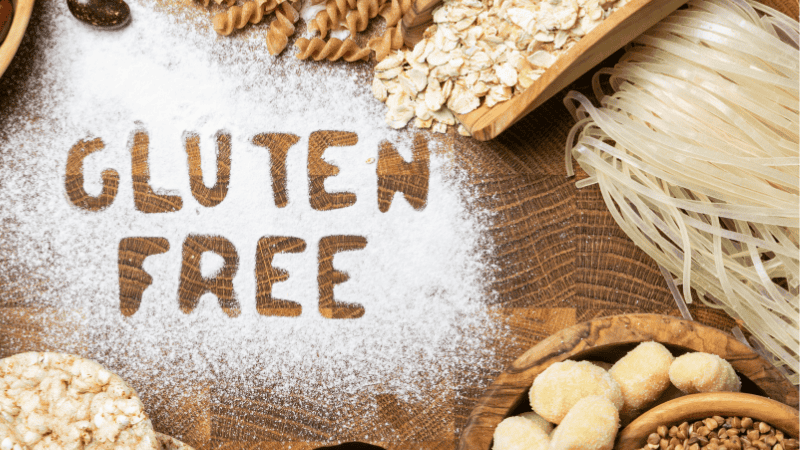
There are so many dietary choices in the market that it can be really complex to decide which one to choose, especially when terms like “grain-free” and “gluten-free” are used interchangeably.
The primary distinction between grain-free and gluten-free diets lies in what they eliminate: a grain-free diet excludes all grains, while a gluten-free diet focuses solely on removing gluten-containing grains. This crucial difference means that while those on a gluten-free diet can enjoy gluten-free grains such as quinoa or rice, individuals following a grain-free regimen avoid all types of grains entirely.
With these diets’ rising popularity, understanding their nuances is essential for making informed health decisions and purchasing the right products. Choosing between these dietary approaches often depends on individual health goals and sensitivities.
Whether one pursues a grain-free diet for its restrictive approach to grains or opts for a gluten-free lifestyle to avoid gluten-specific reactions, the decision can significantly impact wellness. Both diets necessitate careful planning and a clear understanding of individual health requirements to ensure nutritional adequacy and overall well-being.
Exploring The Grain-Free Dietary Approach
A grain-free diet excludes all grains, including those that are naturally gluten-free, such as rice, corn, and millet. Unlike a gluten-free diet, which only avoids gluten-containing grains like wheat, barley, and rye, a grain-free diet represents a more comprehensive restriction.
Grains typically eliminated:
- Wheat
- Rice
- Barley
- Corn
- Oats
These exclusions extend to grain-based products and derivatives, such as certain plant-based milks like oat milk and grain-derived snacks like popcorn and wheat crackers.
Such a diet primarily focuses on other food categories, including fruits, vegetables, nuts, seeds, and protein sources. Emphasis is placed on consuming whole, unprocessed foods to maintain a balanced nutritional intake. While the diet’s restrictions may be seen as a challenge, they can encourage individuals to explore a wider variety of foods and gain new culinary experiences.
Despite its rising popularity, going grain-free is not without criticism. Some argue that grains offer vital nutrients and fibre. Those considering a grain-free lifestyle should ideally consult healthcare professionals to ensure they maintain adequate nutritional balance. This diet, while beneficial for some, might not suit everyone, given the importance of individual dietary needs and preferences.
Understanding A Gluten-Free Diet
A gluten-free diet involves eliminating all foods that contain gluten, a protein primarily found in wheat, barley, rye, and their derivatives. This dietary approach is crucial for individuals with celiac disease, an autoimmune disorder in which gluten intake can damage the small intestine lining and hinder nutrient absorption.
People with non-celiac gluten sensitivity also benefit from this diet, as it can alleviate symptoms such as bloating, diarrhoea, and fatigue. It’s important to note that gluten-free diets can be beneficial in managing symptoms for those with certain medical conditions. However, they are not intended for general weight loss or multiple health benefits without medical necessity.
Allowed Foods:
- Fruits and Vegetables: All fresh produce is naturally gluten-free.
- Meats and Fish: Fresh meats without additives (like breadcrumbs) are safe.
- Grains and Starches: Quinoa, rice, and corn are excellent substitutes.
Foods to Avoid:
- Wheat-Based Products: Bread, pasta, and cereals unless labelled gluten-free.
- Barley and Rye Products: These are found in some beers and certain types of bread.
Adopting a gluten-free diet requires careful attention to food labels. Products labelled as gluten-free should contain less than 20 parts per million (ppm) of gluten, ensuring their safety for those with gluten-related disorders. Awareness of cross-contamination with gluten-containing foods is also essential to maintain the diet’s integrity and prevent adverse health effects. Reading nutrition labels helps identify any hidden gluten ingredients.
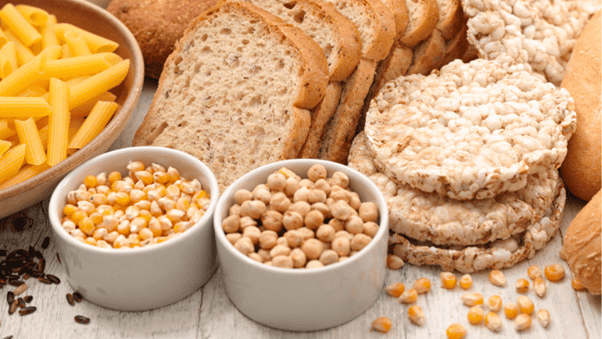
Determining Which Diet Is Right For You
Choosing between a grain-free and gluten-free diet depends on individual health needs and lifestyle choices. In deciding, one should consider personal health goals and any dietary restrictions due to health conditions.
A gluten-free diet excludes foods with gluten, a protein primarily found in wheat, barley, and rye. This type of diet is essential for those with celiac disease or gluten sensitivity, as even small amounts of gluten can cause significant discomfort and health issues.
A grain-free diet, in contrast, eliminates all types of grains, including gluten-free options such as rice and corn. This approach is more restrictive and can be part of specific dietary plans like paleo or ketogenic diets.
Consider nutritional needs and preferences. While both diets can lead to positive health changes, they may also lack certain nutrients typically obtained from grains. It’s important to plan meals to ensure a balanced intake of vitamins and minerals.
Key Points to Consider:
- Seek professional advice: Consulting with a healthcare provider or dietitian can help tailor a diet to specific health needs.
- Assess personal goals: Determining if the objective is weight management, improved digestion, or managing food sensitivities can guide the decision.
- Evaluate lifestyle and practicality: Consider ease of meal preparation and availability of food options to sustain dietary changes over time.
Are you interested in exploring or maintaining a grain-free or gluten-free lifestyle?
It’s essential to scrutinise product labels. Natura Market offers a range of products that cater to both dietary needs, making it a reliable destination for anyone looking to adhere to these specific diets without the hassle of searching multiple stores.
If you seek to tailor your nutritional habits, you can conveniently explore the offerings at Natura Market to find suitable, high-quality products that meet your dietary requirements. This exploration can lead to better health outcomes and a more enjoyable eating experience.
Frequently Asked Questions about Grain-Free vs Gluten-Free
Grain-free and gluten-free diets have gained popularity for their unique benefits and distinct characteristics. While both involve dietary restrictions, they serve different health needs and respond to various intolerance levels. Choosing between them depends on personal health goals and dietary restrictions. Understanding their differences and the ingredients involved can guide individuals in making informed dietary choices.
What distinguishes a grain-free diet from a gluten-free diet?
A grain-free diet eliminates all grains, including wheat, corn, rice, barley, and oats, whereas a gluten-free diet specifically removes gluten-containing grains like wheat, barley, and rye. The primary distinction lies in the inclusiveness of non-gluten grains in a gluten-free diet, which a grain-free diet does not permit.
Can individuals with gluten intolerance consume grain-free products?
Individuals with gluten intolerance can typically consume grain-free products since grain-free diets exclude wheat, rye, and barley, which contain gluten. It is crucial, however, to check product labels for potential gluten contamination or additives. Ensuring products are certified gluten-free provides an extra level of safety for those with gluten sensitivities.
What are the primary ingredients in grain-free breads and flour?
Grain-free breads and flours often incorporate ingredients such as almond flour, coconut flour, cassava flour, and tapioca starch. These alternatives provide the texture and bulk needed to replace traditional flours without using any grains. They are particularly popular in paleo and other low-carb diets.
Are there specific grains that are naturally gluten-free?
Yes, certain grains are naturally gluten-free. These include rice, corn, millet, sorghum, and teff, along with pseudo-cereals like quinoa, buckwheat, and amaranth. These grains and seeds provide nutritious options for gluten-free diets as they contain no gluten while still offering essential nutrients and fibre.
How does a grain-free diet impact the nutritional value compared to a diet containing grains?
A grain-free diet may lead to lower fibre intake compared to a diet containing whole grains. However, this can be mitigated by incorporating other high-fibre foods like fruits, vegetables, and legumes. Grain-free diets might offer fewer carbohydrates, which can aid in specific weight management and metabolic goals.

Leave a Reply