
















Training a pet helps them gel in the human world. It also ensures they live harmoniously with us. Without proper training, pets may struggle with basic obedience and develop behavioral issues that can make daily life challenging. Fortunately, there are ways to train your pet yourself, but it’s important to consider a few key factors. In this guide, we’ll explore the factors that lead to successful pet training.
These will help you create a strong bond with your pet and create a happy and well-behaved companion.
So let’s dive!
Understanding Your Pet
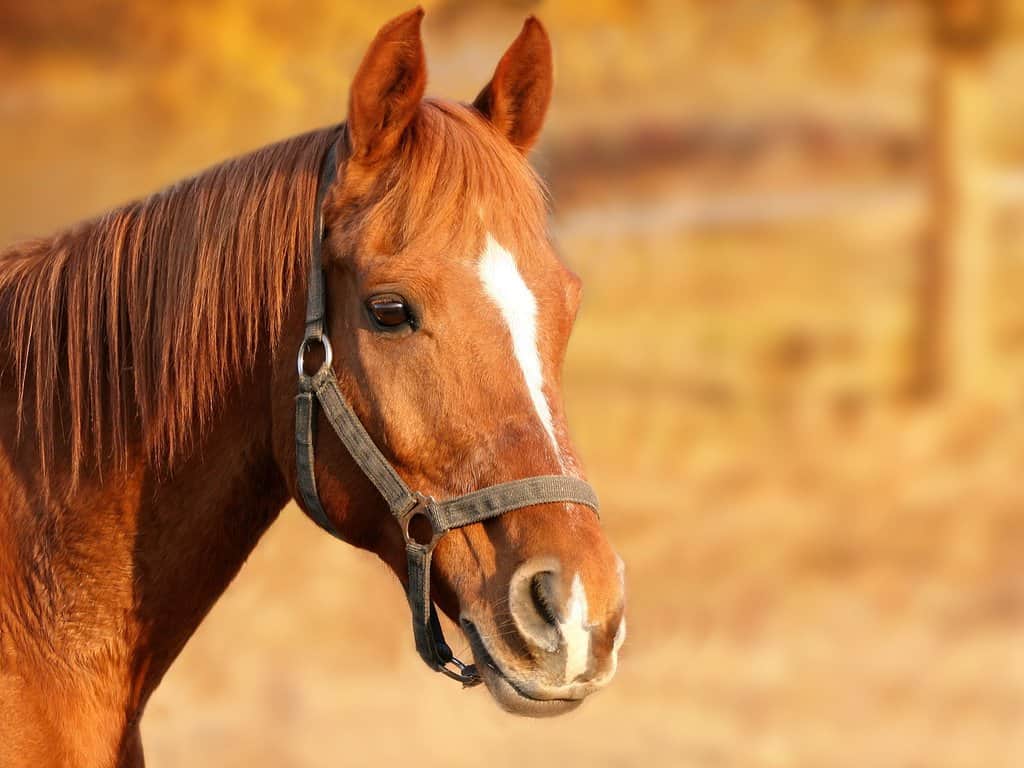
First things first, it is important to take time to understand your pet and its unique needs to have a successful pet training journey. Whether you have a horse or any other pet, learning about their species-specific behaviors and tendencies is essential.
Closely observing them and gaining insights into their preferences and communication cues will help you be better equipped to tailor your training approach effectively.
Planning without this understanding can backfire, leading to worsened behavior or potential harm. So, delve into the fascinating world of your pet to ensure a rewarding training journey.
Using the Right Gear
When it comes to pet training, setting clear goals is crucial, but using the right gear is equally important. Each product you choose can significantly impact your pet’s experience and progress.
For example, using a snaffle bit made with high-quality material is important when training a horse. You should ensure it does not hurt the horse’s mouth or create discomfort. It will help you communicate better with the horses while offering them comfort.
A saddle pad is another important gear for trail riding. The purpose of saddle pads for horses is to provide cushioning and support beneath the saddle, preventing rubbing and distributing pressure evenly across the horse’s back. Choosing a saddle pad made from breathable materials can also help regulate temperature and moisture, keeping the horse comfortable during training sessions.
Simply put, selecting equipment that is comfortable, safe, and appropriate for their size and breed is important. So, invest some time in finding the proper tools, as they significantly enhance your pet’s training journey.
Patience and Persistence
‘Rome was not built in a day’; similarly, training takes time, and you should have this in mind always. It’s important for you to stay calm and composed throughout the process.
Staying patient will help you create a positive and stress-free environment for your pet, allowing them to learn at their own pace. Additionally, consistently reinforcing desired behaviors and sticking to a training schedule helps make a routine and strengthens learning.
It’s also important to keep training engaging and fun. So, add varied activities, use interactive toys, and provide rewards to keep your pet motivated.
Professional Guidance
Seeking professional guidance is valuable in ensuring successful pet training, as it provides numerous benefits. They possess specialized knowledge and techniques that can address specific training challenges and tailor methods to your pet’s individual needs.
It also helps you avoid common pitfalls and ensures you’re on the right track. Their expertise offers valuable insights, helping you develop effective training strategies while prioritizing your pet’s well-being.
With professional guidance, you gain confidence, enhance your skills, and establish a strong foundation for a fulfilling training journey with your beloved pet.
Bottom Line
Training isn’t just about obedience; it strengthens the bond with your pet. So, embrace the adventure, adapt as necessary, and relish the rewards of a well-behaved and joyful companion who enriches your life. Enjoy the journey and cherish the moments with your furry friend!


Leave a Reply