
















Consuming a healthy diet throughout life helps to prevent malnutrition in all its forms, plus a range of non-communicable diseases (NCDs). However, rapid urbanisation, increased production of processed foods, and changing lifestyles have changed dietary patterns.
People are now consuming foods high in energy, fats, free sugars, and salt. However, many people need to eat more vegetables, fruit, and other dietary fibre such as beans and whole grains.
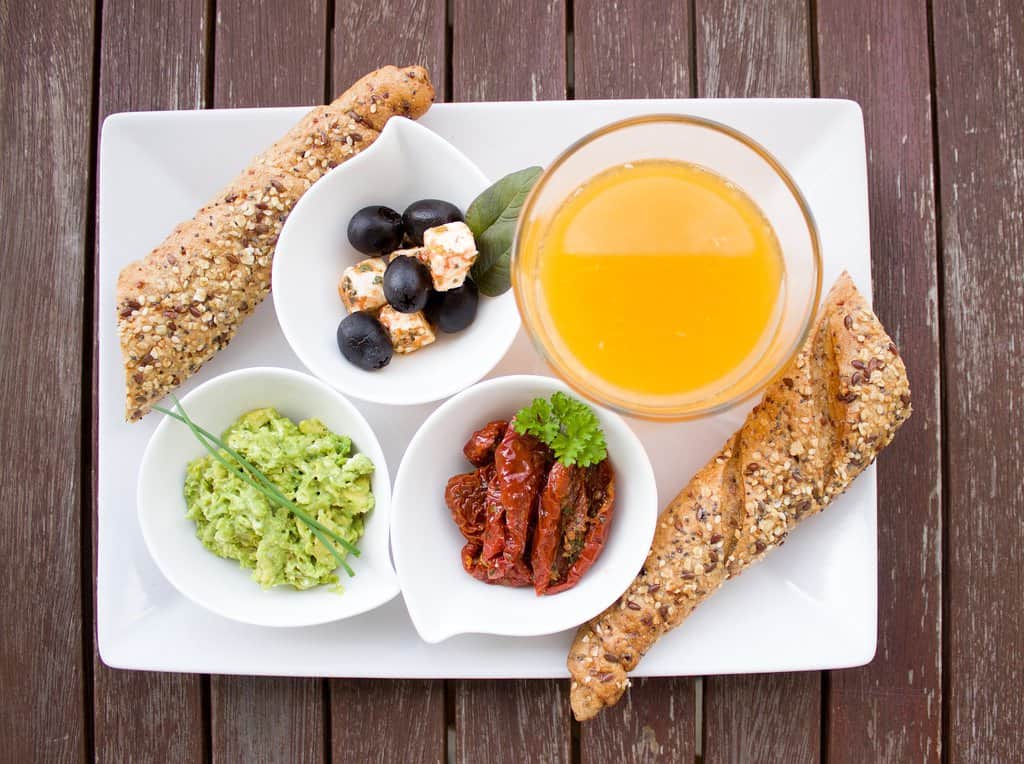
The exact constituents of a balanced and healthy diet will vary depending on diversified individual characteristics, like gender, age, lifestyle, physical activity, cultural context, locally available foods and dietary customs. However, the basic principles of a healthy diet remain the same, just like women prefer Elleste Solo Tablets wherever in Europe, Uk, or the USA they live.
Why is it important to eat vegetables and fruits?
Vegetables and fruits are essential to a healthy diet, and variety is as necessary as quantity. However, no single fruit or vegetable provides all the nutrients you need to be healthy. Eat plenty every day.
A diet rich in vegetables and fruits lowers blood pressure, lessens the risk of heart disease and stroke, prevents some types of cancer, and reduces the risk of eye and digestive problems. It also positively affects blood sugar, which may keep appetite in check. Eating non-starchy fruits and vegetables like apples, pears, and green leafy vegetables promotes weight loss. In addition, their low glycemic loads prevent blood sugar spikes that may increase hunger.
Eating foods such as fruits that are low in calories instead of higher-calorie food may help to lower calorie intake. Fruits provide nutrients vital for the health and maintenance of your body, such as fibre, vitamin C, potassium, and folate.
At least nine different families of vegetables and fruits exist, each with potentially hundreds of other plant compounds beneficial to health. Eat a variety of types to provide your body with the mix of nutrients it requires. This ensures a greater diversity of helpful plant chemicals and creates eye-appealing meals.
Keep them where it is visible
Place several ready-to-eat washed fruits in a bowl or chopped colourful fruits in a glass bowl in your refrigerator to tempt your sweet tooth. Explore the produce aisle and select something new
Variety and colour are significant to a healthy diet. Try to have at least one serving from each of these categories, dark green leafy vegetables, orange or yellow vegetables and fruits, red vegetables and fruits, legumes (beans) and peas, and citrus fruits.
Choose other vegetables packed with other nutrients and slowly digested carbs. Try cooking new recipes with more vegetables. Salads, soups, and stir-fries are just a few options for increasing the number of tasty vegetables in your meals.
Importance of whole grains
Whole grains provide a range of health benefits, unlike refined grains, which are stripped of crucial nutrients in their refining process. All whole grain kernels have three parts: the bran, germ, and endosperm. Each section houses health-promoting nutrients.
The bran is the Fibre-rich outer layer that supplies iron, magnesium, B vitamins, copper, zinc, antioxidants, and phytochemicals. Phytochemicals are natural chemical compounds of plants that have been researched for their part in disease prevention. The germ is the seed core where growth occurs, rich in healthy fats, Vitamin E, B vitamins, phytochemicals, and antioxidants. Finally, the endosperm is the interior layer that holds protein, carbohydrates, and little amounts of minerals and some B vitamins.
These components have various effects on the body:
- Bran and fibre slow the breakdown of starch into glucose, thus maintaining a steady blood sugar rather than causing sharp spikes.
- Fibre helps lower cholesterol and move waste through the digestive tract.
- Fibre also helps prevent the formation of small blood clots that may trigger strokes or heart attacks.
- Phytochemicals and essential minerals like magnesium, copper, selenium and zinc in whole grains may protect against some cancers.
Fibre can help lower cholesterol, prevent constipation, and improve digestion. Yet, on average, we get less than half of what we need. Most whole grains are excellent sources of fibre. For breakfast, look for whole-grain cereal or oatmeal with 3 or more grams of fibre per serving. Add fruit, and you are on your daily goal of 38 grams for men and 25 grams for women.
Health benefits of beans
Beans are the seeds of flowering plants in the Fabaceae family and are commonly known as legumes. Many beans grow in pods or capsules that develop from flowers. Other legumes are lentils, peas, and peanuts. These beans are available as dry, canned, or frozen. They are an affordable source of protein, fibre, vitamins and iron that offer many health benefits.
They differ in nutrition from wax or green beans. Beans contain amino acids, the protein building blocks used by the body to heal and to make new tissues, like bone, muscle, hair, skin, and blood. Therefore, protein is an essential nutrient. The other health benefits of beans are:
- Beans are nutrient-rich foods containing various vitamins, minerals and other nutrients and moderate calories.
- Beans provide protein, fibre, folate, iron, potassium and magnesium while containing little or no fat, trans-fat, sodium and cholesterol.
- Improve overall health and also decrease the risk of developing certain diseases, including heart disease, obesity and many types of cancers.
- Beans contain soluble and insoluble fibre, which work double to keep the digestive system running smoothly. The first slows digestion, giving you that full feeling and the second helps prevent constipation.
- Because of the protein and fibre, the carbs in beans are absorbed in a slower rate over a more extended period and help keep your blood sugar steady.
- The soluble fibre in beans binds to cholesterol in the GI tract and prevents it from being absorbed into the blood.
- Beans are good sources of potassium and magnesium, crucial minerals for your heart.
- Beans are a superfood for weight loss.
- You’ll find thiamin, niacin, riboflavin, B6, and folate in wide bean varieties. B vitamins help convert food to energy, boost good cholesterol, and reduce inflammation.
- Beans are rich in antioxidants, which protect against free radicals that could damage your cells and lead to cancer.
Conclusion
Consuming more fruits and vegetables, whole grains, beans, lean meats, and nuts is a healthy way to lose or maintain weight. In addition, diets rich in vegetables and fruits may reduce the risk of cancer and other chronic diseases. Fruits and vegetables also provide essential vitamins, minerals, fibre, and other vital substances for good health.


Leave a Reply