














Take a look inside any experienced dancer’s bag before training. Chances are, there will be not one pair, but two, or even three. From the outside, it can look like collecting shoes or simply an obsession with beautiful footwear. Beginners often assume that’s all it is.
In reality, the reason is much more practical. Look at how the range of pole dance shoes is designed. There are sandals, ankle boots and thigh-high boots, with platforms ranging from 2 to 5 inches. These are not simply different versions of the same shoe. They are designed for different purposes. And as a dancer progresses, they naturally end up needing more than one pair. Once you understand what those different purposes are, having a second pair in the bag no longer seems excessive.
You Need Different Shoes for the Pole and the Floor
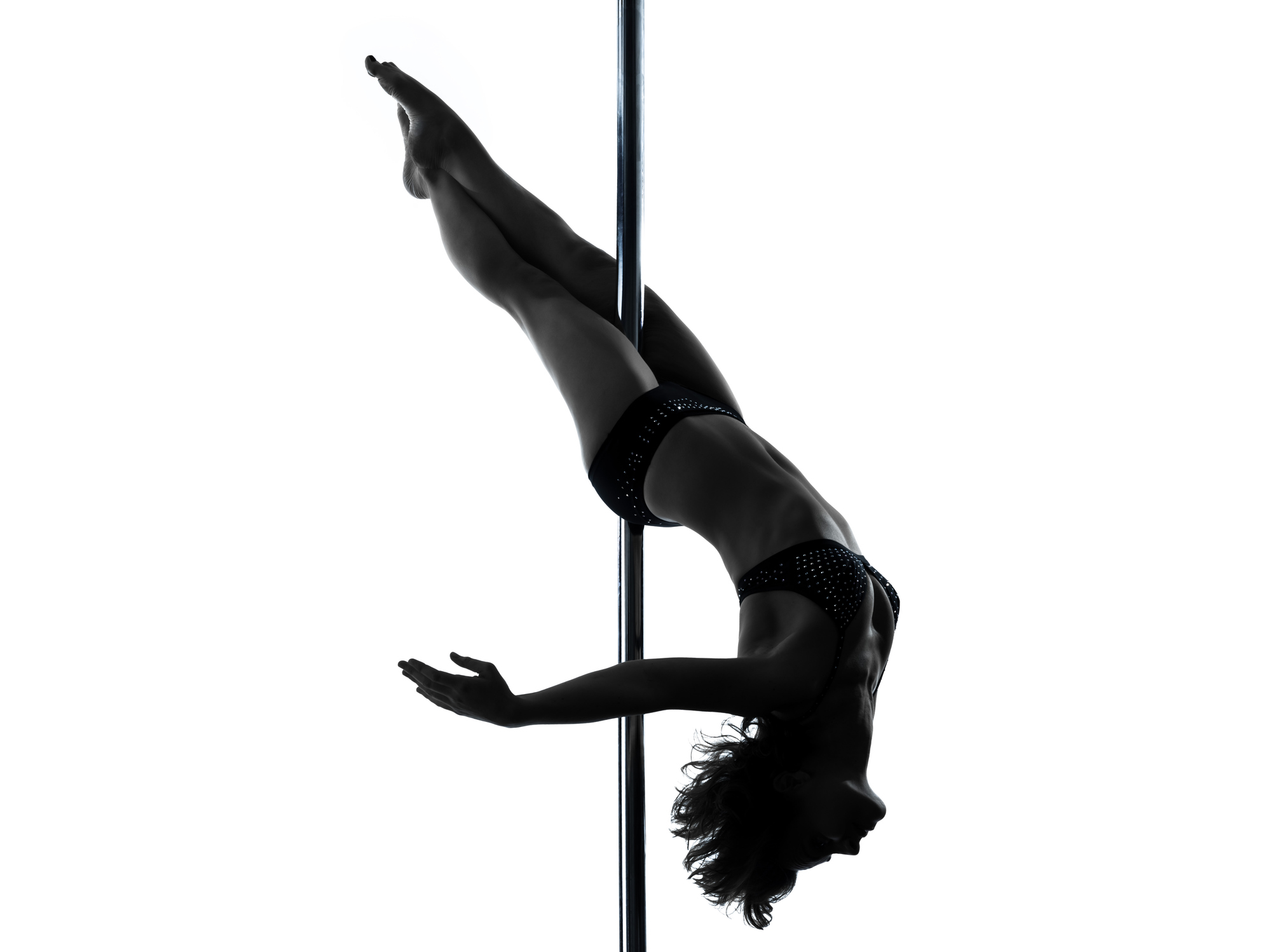
This is where it all starts. When working on the pole, your shoes need to provide grip. The more reliable the grip, the more securely you can hold a static position and the more confidently you can enter a trick.
Floorwork is the opposite. You need to be able to slide. Otherwise, slides and transitions become jerky, with your shoe catching on the floor during every movement.
The material makes a big difference:
- Patent leather looks great and provides grip, but it can be difficult to slide in on the floor.
- Matte faux leather and suede glide more smoothly, making floorwork more fluid.
- Clear PVC is useful because scratches are barely noticeable and there is no finish to wear away, so you can drag your foot across the floor as much as you need.
You simply cannot combine all of these properties in one pair. One pair cannot do both jobs equally well. That is where the second pair comes in.
A Training Pair and a Performance Pair
Pleasers do not last forever. They are dragged across the floor, used for grip on the pole, and subjected to falls and landings. After several months of regular training, the wear is usually obvious.
The decoration tends to suffer first. Glitter, rhinestones and bright coloured finishes are among the first things to wear away through contact with the floor. A pair may look spectacular when you buy it, but after a season of regular training, patches of the original sparkle may be gone. That is why statement shoes are often kept separately and brought out for performances, filming and photoshoots.
For training, dancers tend to choose something more practical: black patent, matte faux leather or clear PVC. You are less worried about damaging them, so you can concentrate on training rather than thinking about whether you are ruining an expensive pair.
There is another reason to rotate your shoes. They need time to dry out. If you train three times a week, a single pair may not have enough time to recover between sessions, and the insole can start to compress more quickly. Alternating between two pairs can significantly extend their lifespan compared with wearing the same pair every time.
Shoes for a Specific Routine
Training is only part of it. Performances have their own requirements, and the choreography often determines which shoes make the most sense. For example:
- Ankle boots and boots cover the ankle and provide additional support. This can be useful during tricks, rolls and harder landings where the foot takes a significant impact.
- Sandals, by contrast, are lighter. During floorwork, your body has to move itself without the assistance of the pole, so every extra gram on your feet can be noticeable.
- Thigh-high boots are often chosen for their visual impact, while also helping protect the skin of the legs from rubbing during longer training sessions. The trade-off is that they restrict ankle movement more than sandals.
The same principle applies to platform height. Pleaser is one of the dominant brands in pole dance heels, and its 2-inch and 3-inch platforms are practical working heights for many dancers. A 4-inch platform requires more ankle strength and control. A 5-inch platform with a 6-inch heel is more commonly brought out for photos and highly stylised performances.
So, a dancer may have one pair for a trick-heavy routine, another for a more lyrical performance, and a third specifically for a photoshoot.
That does not mean you need three boxes of shoes before you can start training. While you are learning to stand, walk and spin around the pole, one versatile pair is usually enough. The second pair tends to appear naturally when you take on a second type of movement — usually floorwork, which calls for a different sole material. The third often comes later, chosen for a particular routine or photoshoot.
So having several pairs in your bag is not really about shopping. It simply means the dancer has progressed to different types of movement, and their footwear has evolved with them.


Leave a Reply