















Ever looked at dozens of folding knives and wondered why some cost twice as much as others, even though they all seem to do the same job? Choosing the right one can feel overwhelming when every brand promises the perfect balance of strength, sharpness, and everyday practicality.
The good news is that finding a quality folding knife is much simpler once you know which features actually matter. Whether you’re looking for a dependable everyday carry knife or something suited to camping, hiking, or outdoor work, focusing on a few key factors will help you choose a knife that performs well long after the excitement of buying it wears off.
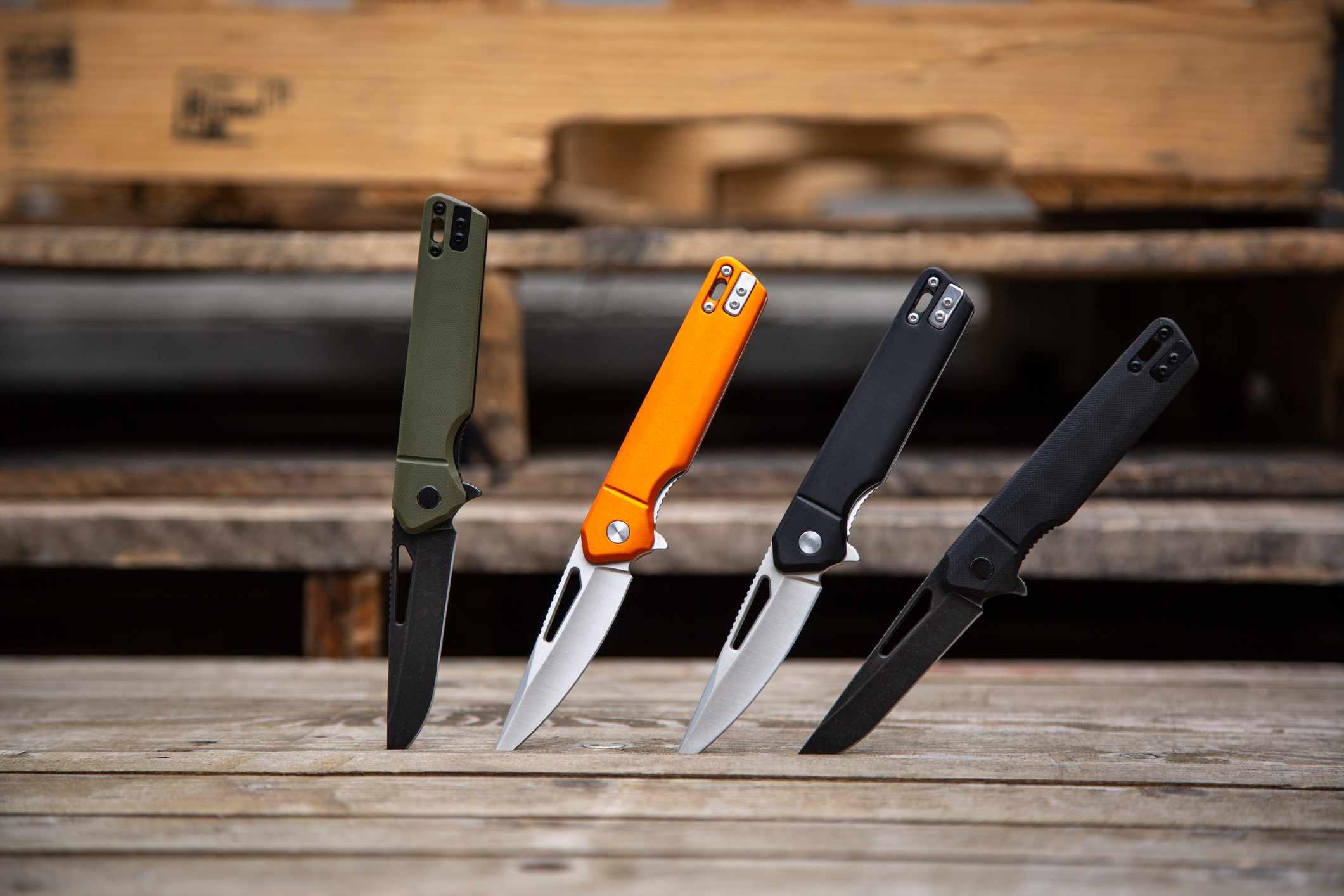
Start With What You’ll Actually Use It For
The biggest mistake people make is shopping by looks first. A knife built for hunting has different priorities than one meant for opening boxes at a desk job or handling light outdoor tasks on a hike.
Think through a few real scenarios before you shop:
- Everyday carry, where a compact, lightweight knife matters more than raw cutting power
- Outdoor and camping use, where durability and a slightly longer blade earn their keep
- Work tasks like cutting rope, cardboard, or packaging, where a sturdy, easy-to-clean blade wins out
- Backup or emergency use, where reliability matters more than any single feature
Once you know the actual job, the number of reasonable options shrinks fast.
Blade Steel Matters More Than the Marketing Suggests
Blade steel affects how long the edge stays sharp, how easy it is to sharpen, and how well it resists rust. You don’t need to become a metallurgist, but understanding a few basics can help you make a better choice.
Harder steels generally hold an edge longer but take more effort to sharpen when the time comes. Softer steels are easier to maintain but usually require more frequent sharpening. Stainless steels offer better corrosion resistance, making them a practical choice if the knife will be exposed to moisture, sweat, or outdoor conditions.
The goal isn’t to choose the most expensive steel available, but the one that best matches how you’ll use and maintain your knife.
Locking Mechanisms Aren’t Just a Technical Detail
The locking mechanism keeps the blade securely open during use, making it one of the most important safety features to consider. Different lock designs offer different advantages depending on how you plan to use the knife.
- Liner locks: Lightweight, easy to operate one-handed, and popular for everyday carry knives.
- Frame locks: Similar to liner locks but generally built with a stronger locking bar integrated into the handle frame.
- Back locks: Known for their secure lockup and commonly found on knives designed for heavier-duty tasks.
- Ease of operation: Whichever mechanism you choose, it should open and close smoothly while locking firmly into place without excessive play.
If possible, handle the knife before buying. A locking mechanism that feels awkward, stiff, or unreliable in the store is unlikely to become more enjoyable with regular use.
Size and Weight Change How Often You’ll Actually Carry It
A knife that spends most of its time sitting in a drawer because it’s too bulky or heavy isn’t much use. Blade length, handle size, and overall weight should match how and where you plan to carry it each day. A compact, lightweight knife is often more practical for everyday pocket carry, while larger models may be better suited to outdoor work or demanding tasks where extra cutting power is useful.
Size also affects comfort. A knife that feels secure in your hand but disappears easily into a pocket is far more likely to become part of your daily routine than one that’s awkward to carry.
It’s also worth checking the knife laws where you live before making a purchase. Blade length restrictions and everyday carry regulations vary by location, so choosing a knife that suits both your needs and local requirements can help you avoid unnecessary issues later. If you plan to travel with your knife, it’s equally important to review the rules beforehand, as transportation requirements can differ depending on your destination and method of travel.
Where to Actually Start Looking
Once you know your intended use, preferred blade steel, and a comfortable size range, narrowing down the best folding knives for your needs becomes much more manageable. Instead of comparing hundreds of models, you can focus on the knives that genuinely fit your daily tasks and carrying preferences.
This is also the stage where it’s worth looking at manufacturers with established reputations for quality, consistency, and thoughtful design. A broader product range makes it easier to compare different locking mechanisms, blade shapes, and handle materials without having to jump between multiple brands.
CRKT is one example of a manufacturer offering folding knives across a variety of price points and applications, from lightweight everyday carry models to more robust designs suited to outdoor use. Exploring a well-established lineup can help you better understand which features matter most before making a final decision.
A Few Practical Things to Check Before You Buy
Beyond the specs, a handful of hands-on details tell you a lot about a knife’s actual quality:
- Blade play, meaning any wobble side to side or up and down when the blade is locked open
- Smoothness of the opening action, whether it’s manual, assisted, or a flipper mechanism
- How the pocket clip sits, since a poorly placed clip makes a knife annoying to carry even if everything else is great
- Overall fit and finish, since visible gaps or rough edges often point to lower manufacturing quality
Paying attention to these small details before buying helps ensure the knife performs reliably in everyday use, not just on paper. A few extra minutes spent evaluating build quality can make a significant difference in long-term satisfaction.
Conclusion
Choosing a folding knife gets a lot less overwhelming once you start with how you’ll actually use it, rather than which one looks the coolest on a shelf. Match the blade steel and lock type to your real needs, pay attention to size and local carry rules, and check the hands-on details before you commit.
Do that, and narrowing down the right knife becomes a quick, straightforward decision instead of an hours-long scroll.


Leave a Reply