















According to recent travel reports, 75 percent of Australians hit the road for domestic holidays last year, with the average trip lasting just under five days. While exploring regional highways and coastal routes is a beloved tradition, anyone travelling with young children knows that the backseat dynamic can make or break the journey. A hot, glaring sun and long stretches of driving are a recipe for cranky passengers. Keeping your kids comfortable is not just about avoiding tantrums. It is absolutely essential for their health and safety.
Understand the True Heat Risk in Vehicles
The Australian sun is notoriously harsh, and the inside of a vehicle can become dangerous very quickly. A simulation by the motoring group NRMA demonstrated that 75 percent of a car’s interior temperature rise happens within just five minutes of closing the doors. Even while driving with the air conditioning on, passengers sitting next to windows are exposed to intense heat and ultraviolet rays.
Many parents assume that tinted glass offers complete protection from these elements. However, a factsheet from Cancer Council Australia reveals that standard tempered glass used in vehicles allows the transmission of up to 79 percent of UVA radiation, putting delicate skin at risk during long drives.
Invest in Practical Sun and Heat Protection
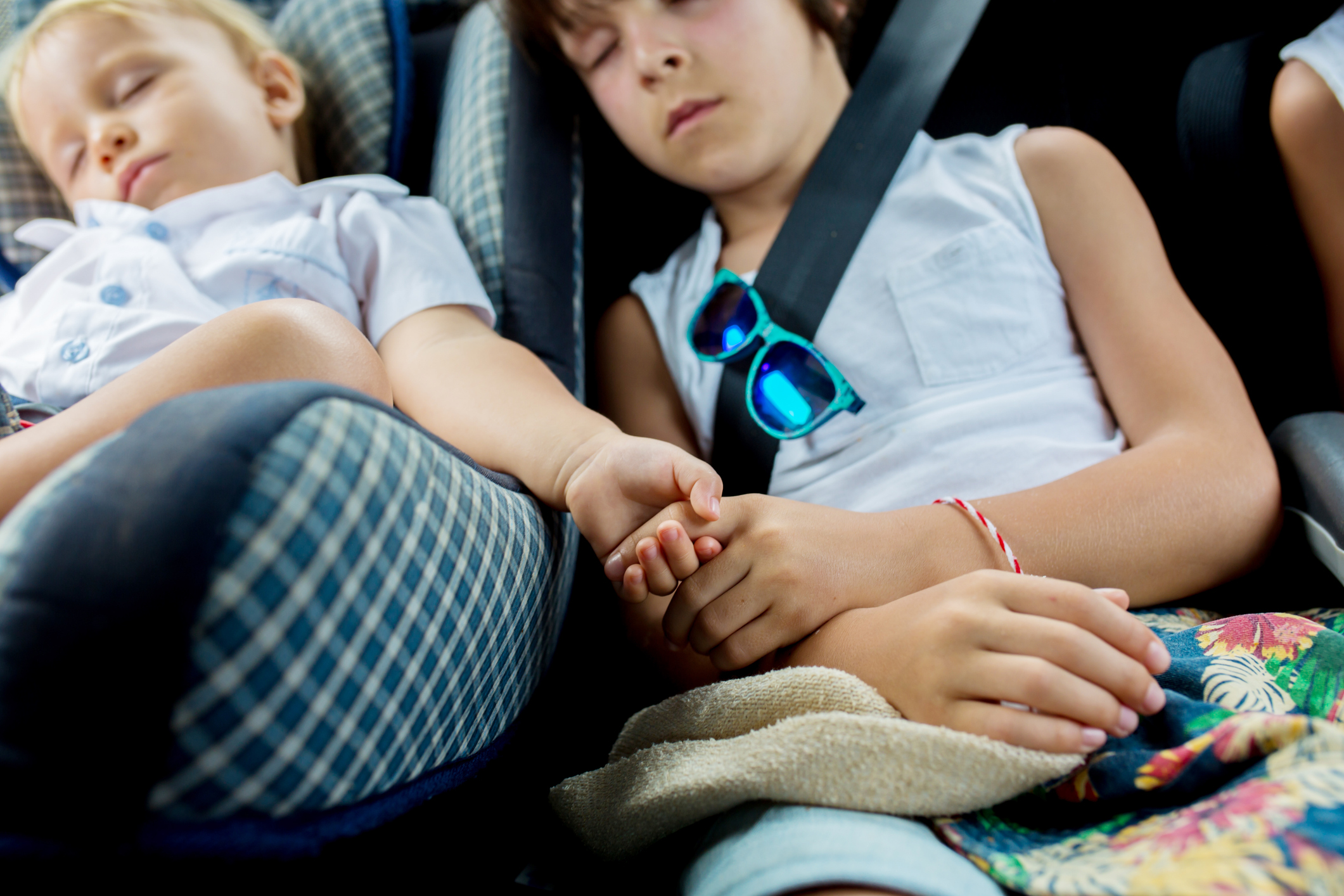
Because infants and young children have core body temperatures that rise three to five times faster than adults, physical barriers against the sun are a must. Relying solely on the car climate control often leaves the kids in the back squinting against intense glare. Installing high-quality car shades for side windows is a highly effective way to block out harmful rays and create a shaded, comfortable environment for napping.
To further protect your little ones from the heat, consider these simple preparation steps before you set off:
- Dress children in loose, breathable cotton clothing to help regulate their body temperature naturally.
- Pack insulated water bottles and encourage regular sips to prevent dehydration, which pediatric health services highlight as a major risk on long journeys.
- Cool down the car completely before buckling the kids in, as dark upholstery and metal buckles can easily cause minor burns.
- Never leave a window slightly open as a cooling measure. Curtin University research proved that a gap of 2.5 centimetres only reduces cabin temperature by a negligible three degrees.
Safety First with Child Restraints
Comfort and safety go hand in hand, particularly when it comes to car seats. All child car seats sold commercially in Australia must meet the strict AS/NZS 1754 safety standard. However, everyday wear and tear from the intense summer heat can compromise these materials over time. Kidsafe Australia recommends discarding any child car seat that is more than ten years old from its date of manufacture, as the structural plastics degrade when constantly exposed to harsh sunlight.
Furthermore, experts strongly advise parents to frequently check and adjust the restraints to match their child’s current seated height rather than their age. A properly fitted seat ensures maximum safety and postural comfort on long stretches of driving, preventing the slouching and strap rubbing that often leads to tears.
Plan Stops and Manage the Boredom
Physical comfort is only one side of the coin. Mental stimulation and regular breaks are equally vital. Red Nose Australia advises parents to take rest stops every two hours during long drives. This break allows babies to be entirely removed from their seats to stretch, ensuring their developing airways remain unrestricted.
For toddlers and older children, these breaks are the perfect opportunity to burn off excess energy. If you need some inspiration for managing these pauses and plotting out your itinerary, you might want to review some handy tips for surviving your first family campervan holiday which offers great advice on planning family-friendly routes with predictable stop-offs.
Taking the time to properly prepare your vehicle makes a world of difference for family travel. By managing the cabin temperature, securing their safety, and planning engaging rest stops, you can turn a potentially stressful drive into an enjoyable start to your family holiday.


Leave a Reply