













When the time comes to ask the most important question of your life, the ring you present will speak volumes before you even say a word. An engagement ring is more than just a piece of jewelry; it is a profound symbol of commitment, a reflection of your partner’s unique personality, and an heirloom that will last for generations. While selecting the perfect ring involves navigating the famous “Four Cs” (Cut, Color, Clarity, and Carat), gemstone experts and jewelers universally agree on one golden rule: the cut is the absolute most important factor in determining a diamond’s beauty.
Whether you are browsing bespoke custom designs or exploring stunning collections of MeVo Engagement Rings, understanding the nuances of different ring cuts will empower you to make a choice that truly takes her breath away. In this comprehensive guide, we will explore the best and most popular cuts for engagement rings, detailing their histories, unique visual characteristics, and the distinct personalities they complement perfectly.
Understanding the Difference: Cut vs. Shape
Before diving into the specific styles, it is crucial to clarify a common misconception in the jewelry world. The terms “cut” and “shape” are often used interchangeably by buyers, but they refer to two entirely different aspects of the stone.
Shape refers to the overall geometric outline or physical form of the diamond when viewed from above—such as round, square, teardrop, or rectangular.
Cut, on the other hand, refers to the precise arrangement, proportion, symmetry, and polish of the stone’s facets (the flat surfaces that act like tiny mirrors). A diamond’s cut dictates how beautifully it interacts with light. An exceptionally cut stone will exhibit three magical properties:
- Brilliance: The total amount of white light reflected both internally and externally.
- Fire: The dispersion of light into all the stunning colors of the rainbow.
- Scintillation: The amount of sparkle a diamond produces, and the pattern of light and dark areas caused by reflections within the diamond as it moves.
A masterfully cut diamond will dazzle brilliantly even if its color or clarity is slightly lower on the grading scale. With this in mind, let’s explore the finest cuts available for engagement rings today.
The Reigning Champion: The Round Brilliant Cut
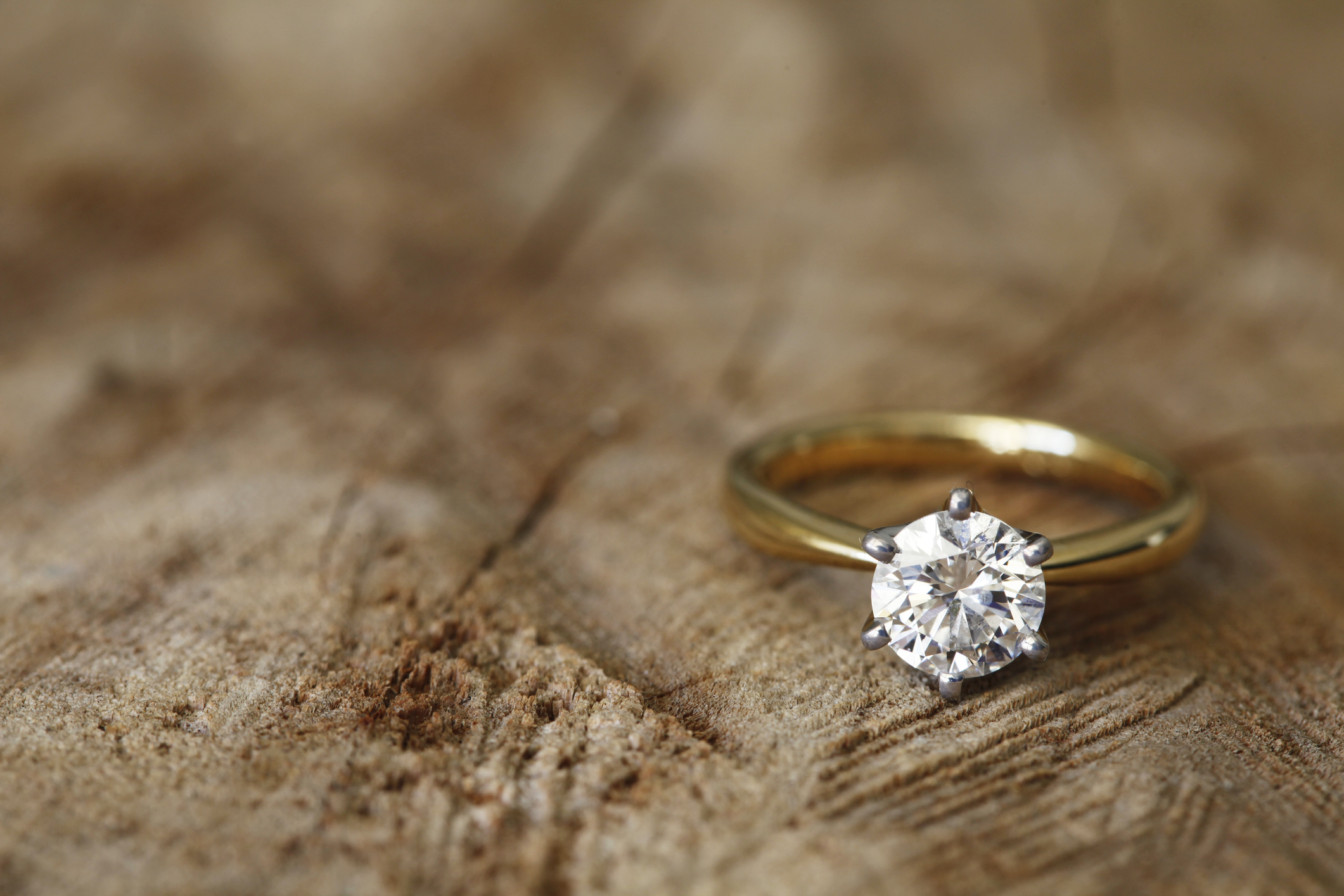
It is impossible to discuss engagement rings without starting with the undisputed king of diamonds: the Round Brilliant cut. Accounting for over 70% of all engagement rings sold worldwide, this cut has stood the test of time as the ultimate symbol of classic romance.
History and Characteristics
The modern Round Brilliant was mathematically engineered in 1919 by Marcel Tolkowsky, a Belgian diamond cutter and engineer. He calculated the exact proportions needed to maximize light return and dispersion. The result is a masterpiece featuring exactly 58 precise facets (including the culet at the bottom).
Why Choose It?
The Round Brilliant is designed for one primary purpose: maximum sparkle. Because of its cone-like shape, it reflects almost all the light that enters it right back into the eye of the observer. Furthermore, the round shape is incredibly versatile, looking spectacular in a minimalist solitaire setting, surrounded by a delicate halo, or flanked by side stones.
Who Is It For?
This cut is perfect for the traditionalist who loves classic, timeless elegance and wants the maximum amount of brilliance possible.
The Modern Marvel: The Princess Cut
If the Round Brilliant is the king of classic, the Princess cut is the queen of contemporary design. Created in the 1980s, the Princess cut is the second most popular choice for engagement rings and is the most sought-after of the “fancy” shapes.
Characteristics
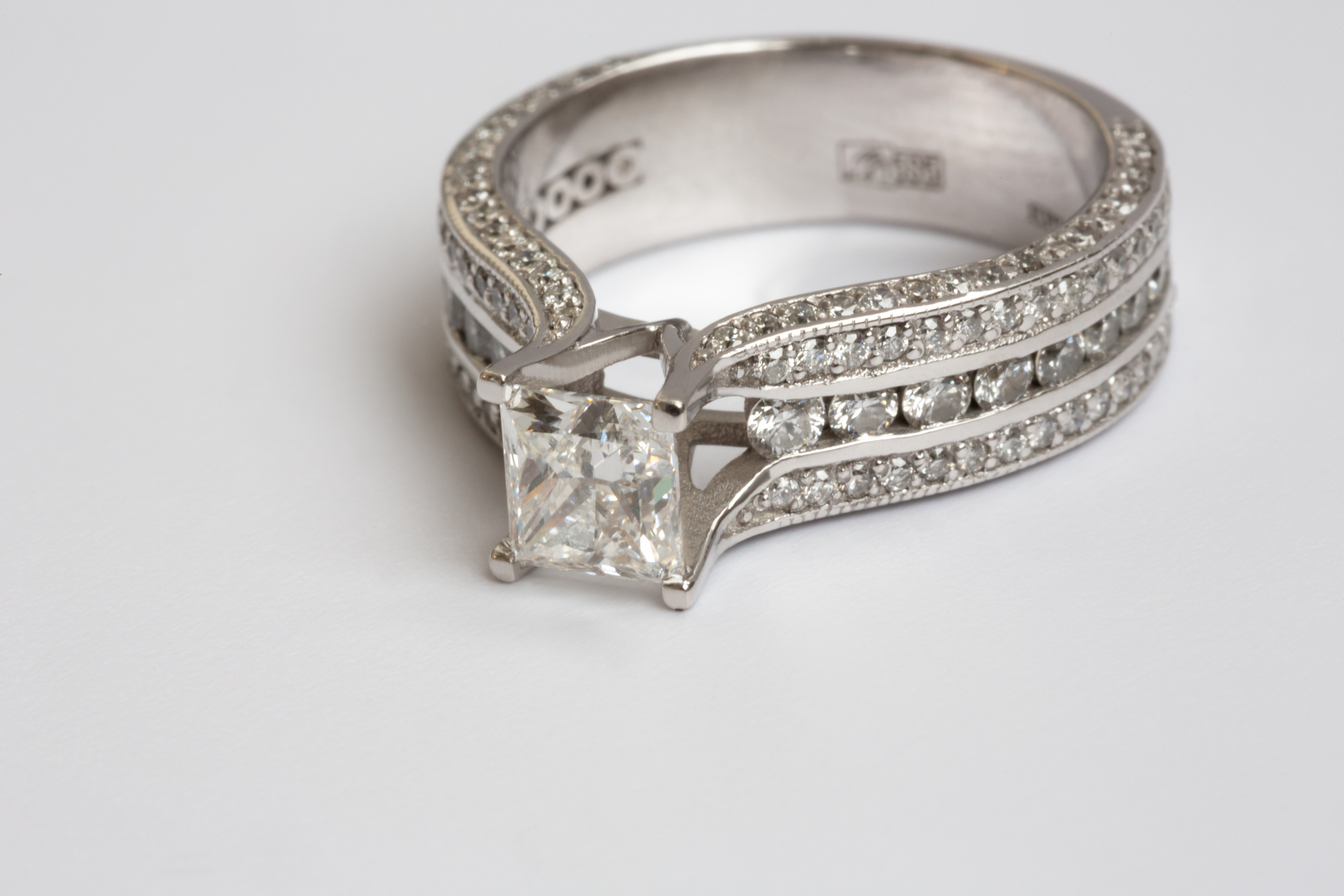
Viewed from above, the Princess cut is either a perfect square or a slight rectangle, featuring crisp, sharp 90-degree corners. It is technically classified as a “square modified brilliant,” meaning it combines the clean, modern geometric lines of a square shape with the intense sparkle of a brilliant-cut faceting style.
Why Choose It?
The Princess cut offers an incredibly chic, modern aesthetic. Additionally, because the geometric shape aligns closely with the natural octahedral shape of a rough diamond crystal, less material is wasted during the cutting process. This often means you can get a larger carat weight Princess cut for a slightly lower price than a Round Brilliant of the same weight.
Important Considerations
Because of the sharp corners, Princess cut diamonds are more vulnerable to chipping. It is highly recommended that this cut is set in a style with protective V-prongs on all four corners.
The Vintage Romantic: The Cushion Cut
For those who desire a ring that feels like a precious antique passed down through generations, the Cushion cut is an exquisite choice. Also known historically as the “old mine cut,” this style has been beloved for over 200 years.
Characteristics
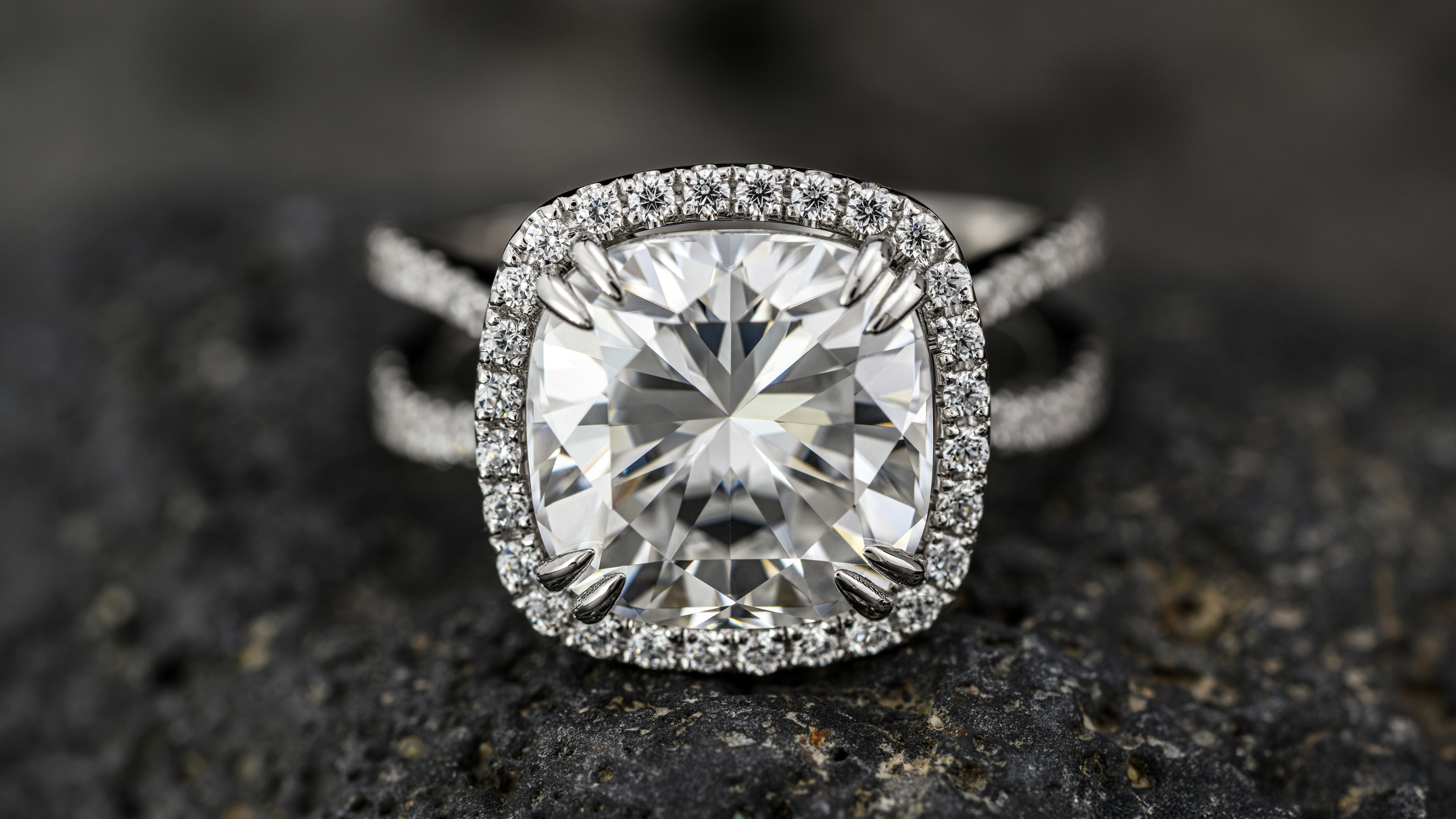
The Cushion cut combines a square or rectangular silhouette with softly rounded corners, resembling—as the name suggests—a plush pillow. Modern Cushion cuts feature enlarged facets that increase their brilliance, often creating a dazzling “crushed ice” effect inside the stone.
Why Choose It?
Cushion cuts exude an unmistakable aura of vintage romance and soft femininity. The rounded edges make it a highly durable option, lacking the vulnerable sharp corners of the Princess cut. They also offer tremendous fire, throwing off spectacular flashes of colored light.
Who Is It For?
The Cushion cut is ideal for the romantic soul who appreciates antique charm, vintage aesthetics, and soft, elegant lines.
The Hall of Mirrors: The Emerald Cut
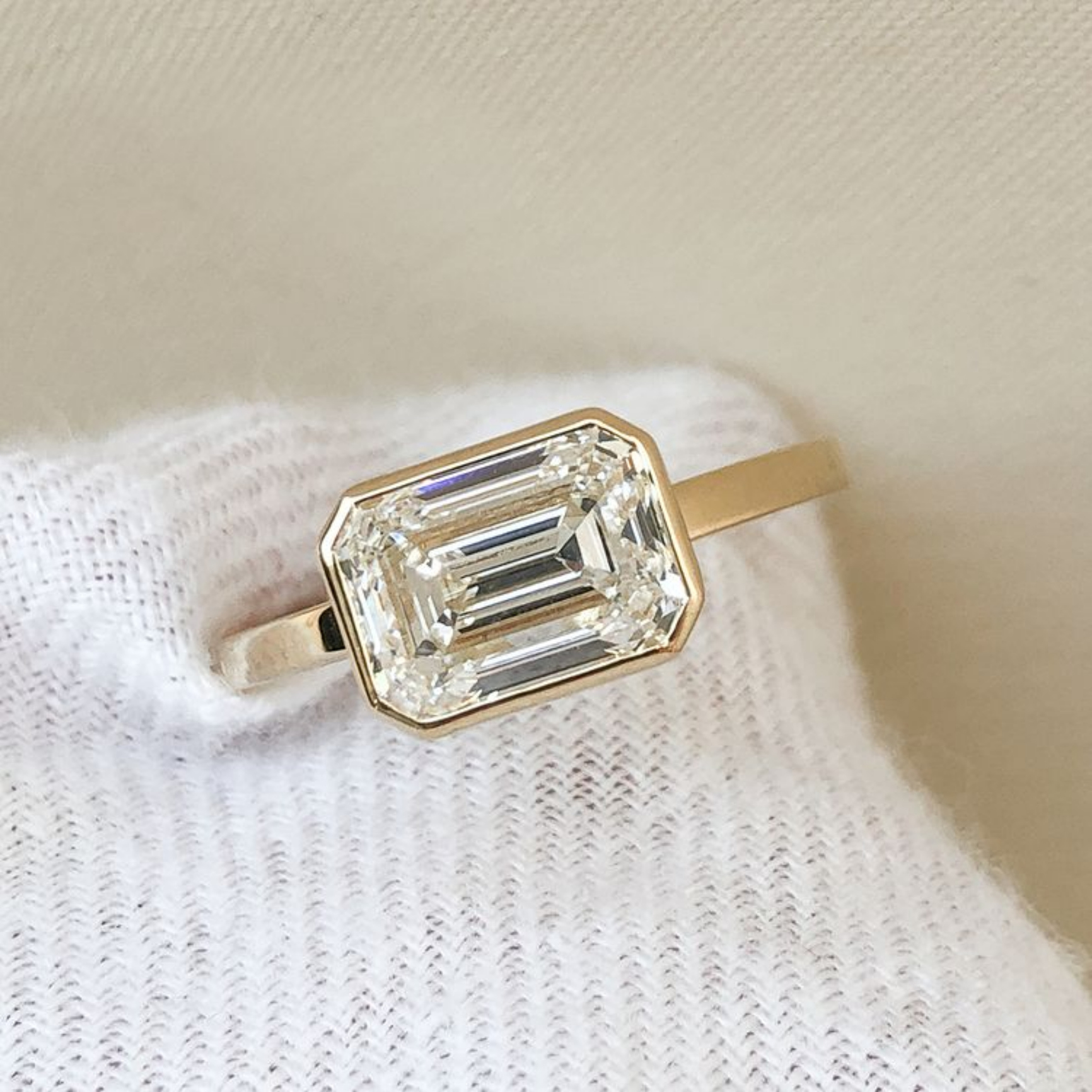
Stepping away from the intensely sparkly brilliant cuts, we enter the sophisticated world of “step cuts.” The Emerald cut represents the pinnacle of architectural elegance in jewelry design.
Characteristics
The Emerald cut features a rectangular shape with cropped, faceted corners. Instead of the kite- and star-shaped facets of a brilliant diamond, an Emerald cut features long, linear, parallel facets running down the sides of the stone, like a descending staircase.
Why Choose It?
Rather than an explosion of sparkle, the Emerald cut produces a mesmerizing “hall of mirrors” effect. It emphasizes the diamond’s pure clarity and color over its raw brilliance. It offers a sophisticated, understated elegance that feels both vintage (heavily associated with the 1920s Art Deco movement) and strikingly modern. The elongated shape also flatters the hand by making the wearer’s fingers appear longer and more slender.
Important Considerations
Because the Emerald cut does not have the intense, chaotic sparkle of a brilliant cut, it cannot hide imperfections. When choosing this cut, you must prioritize high clarity (VS1 or above) and a high color grade, as any inclusions or yellow tints will be plainly visible to the naked eye.
The Art Deco Masterpiece: The Asscher Cut
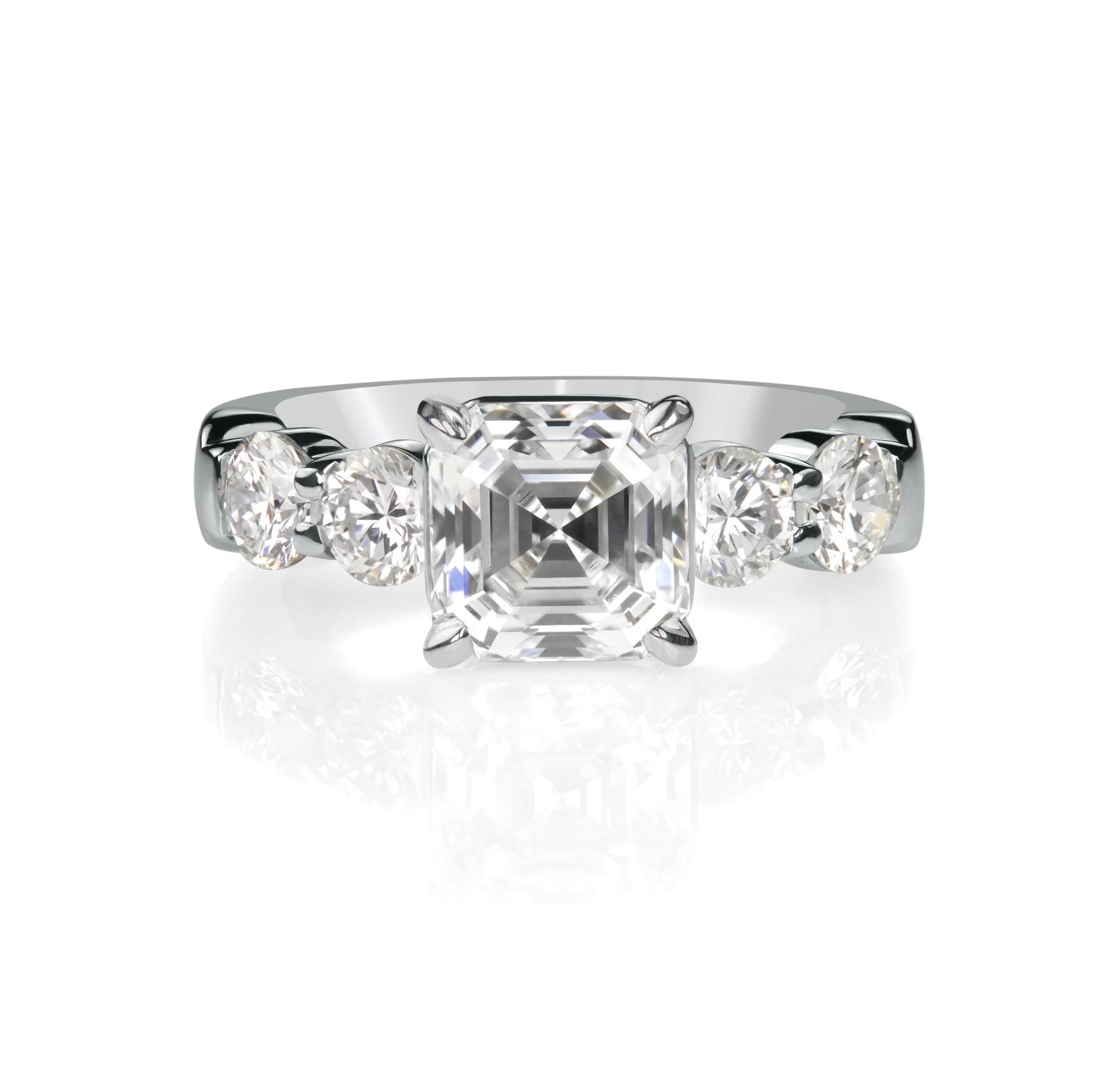
Closely related to the Emerald cut is the Asscher cut. Developed in 1902 by the Asscher Brothers of Holland, this cut gained immense popularity during the Art Deco era and has recently seen a massive resurgence in modern luxury jewelry.
Characteristics
The Asscher cut is essentially a square version of the Emerald step-cut. It features heavily cropped corners—so much so that it almost appears octagonal. When viewed from above, a well-cut Asscher displays a mesmerizing optical illusion known as the “windmill” effect, where the facets seem to draw the eye deeply into the center of the stone.
Who Is It For?
The Asscher cut is for the stylish, confident individual who loves geometric patterns, architectural lines, and the glamorous, vintage flair of the Gatsby era.
The Illusionists: Oval, Pear, and Marquise Cuts
For those looking to maximize their budget while securing a truly unique piece, the Oval, Pear, and Marquise cuts are the ultimate “illusionists.” Because these cuts are elongated, they carry a larger percentage of their carat weight on the surface. Consequently, they appear significantly larger than a Round Brilliant of the exact same carat weight.
The Oval Cut
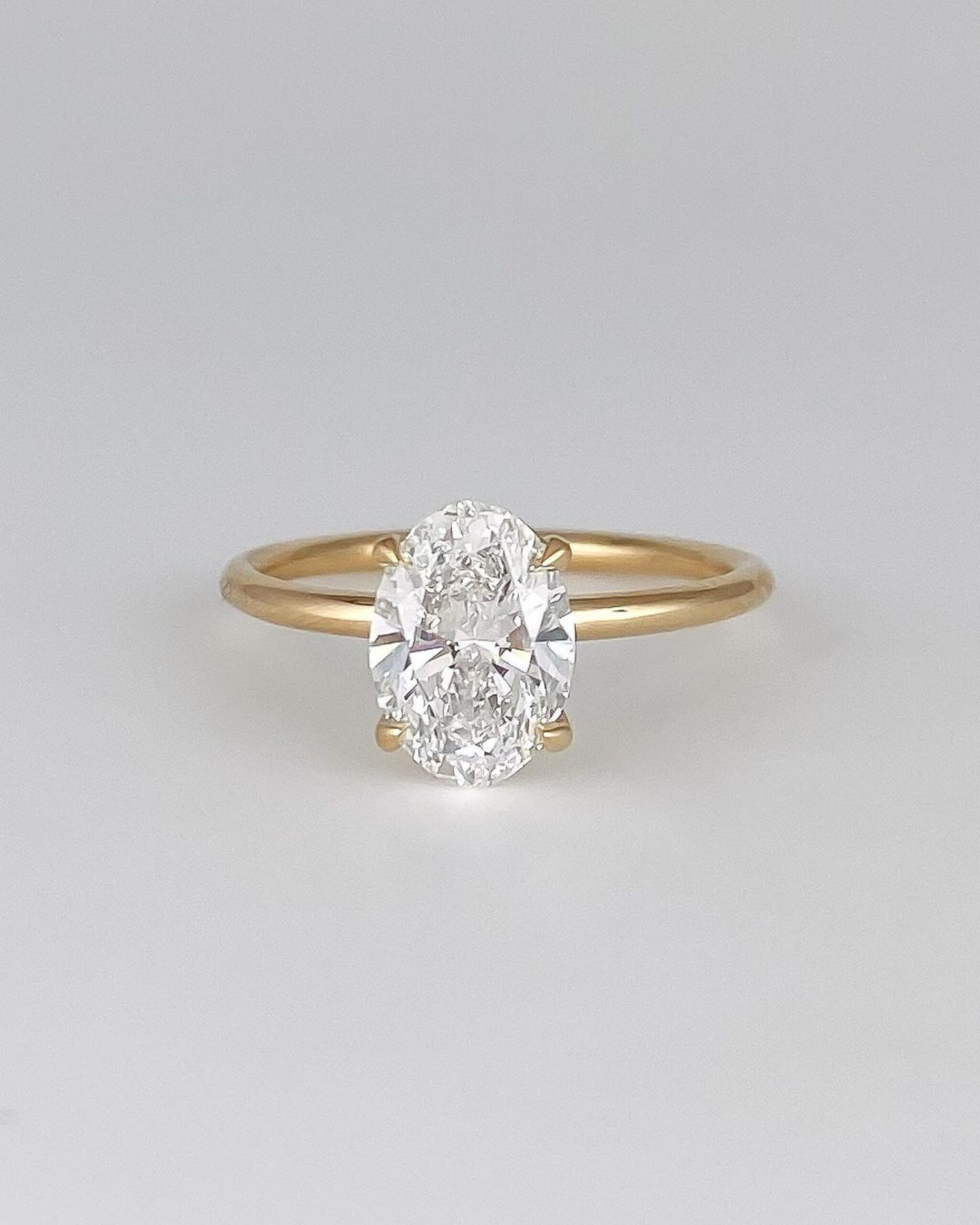
Created in the 1950s by Lazare Kaplan, the Oval cut offers the intense sparkle of a Round Brilliant but with a unique, elongated silhouette. It has become incredibly popular in recent years for its ability to look exceptionally elegant and modern while flattering the finger.
The Pear Cut
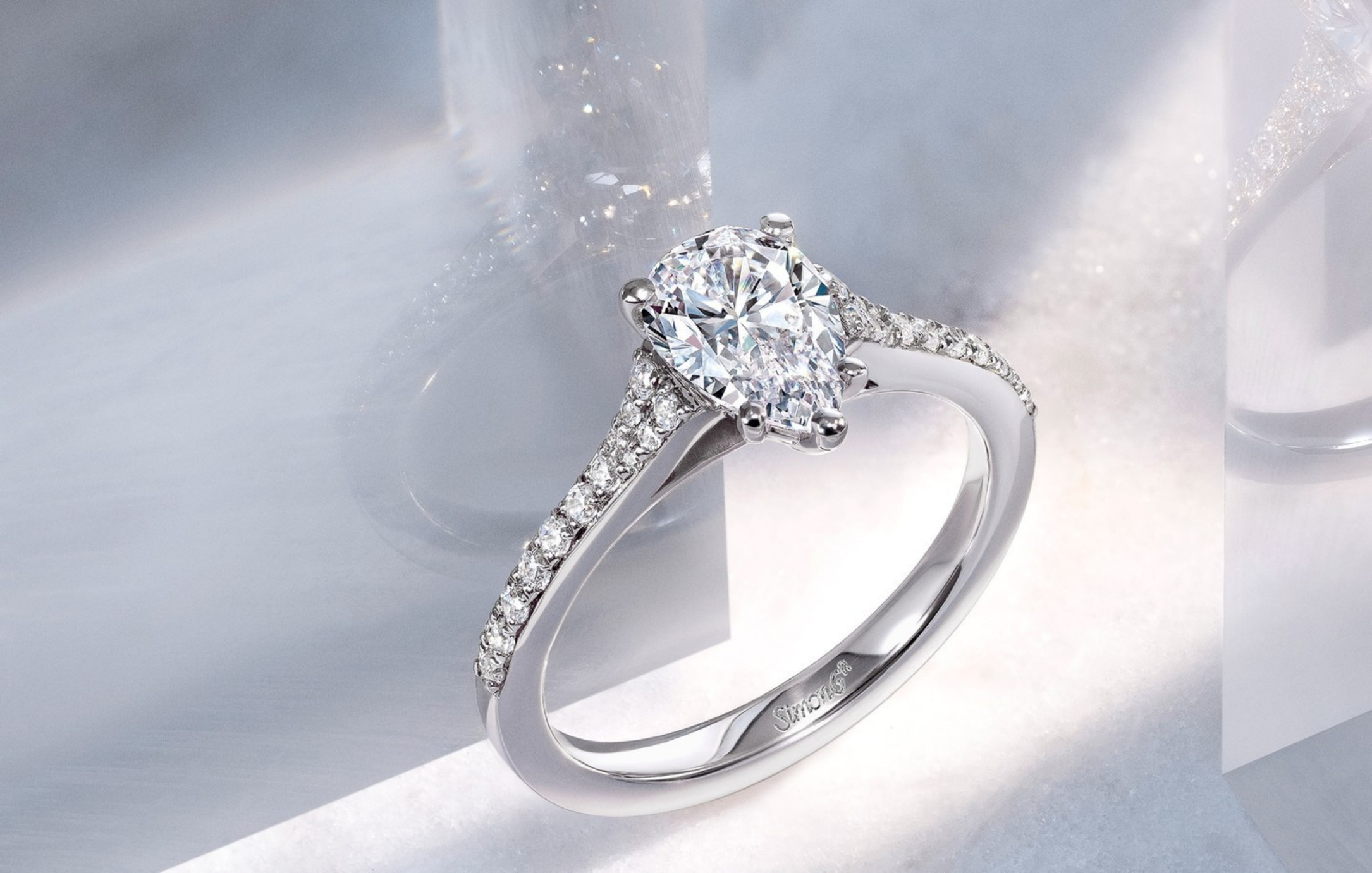
Also known as a teardrop, the Pear cut is a stunning hybrid between a Round Brilliant and a Marquise. It features a rounded bottom that tapers gracefully into a single, sharp point. The Pear cut is highly versatile; it can be worn with the tip pointing toward or away from the wearer, and it brings an undeniable sense of dramatic, regal elegance.
The Marquise Cut
Legend has it that King Louis XV of France commissioned the Marquise cut to match the perfect shape of his mistress’s lips. This football-shaped diamond features two sharp, pointed ends and an elongated body. It offers the largest surface area of any diamond cut, making it the best choice for those who want to maximize perceived size. Like the Princess cut, the sharp points require protective prongs.
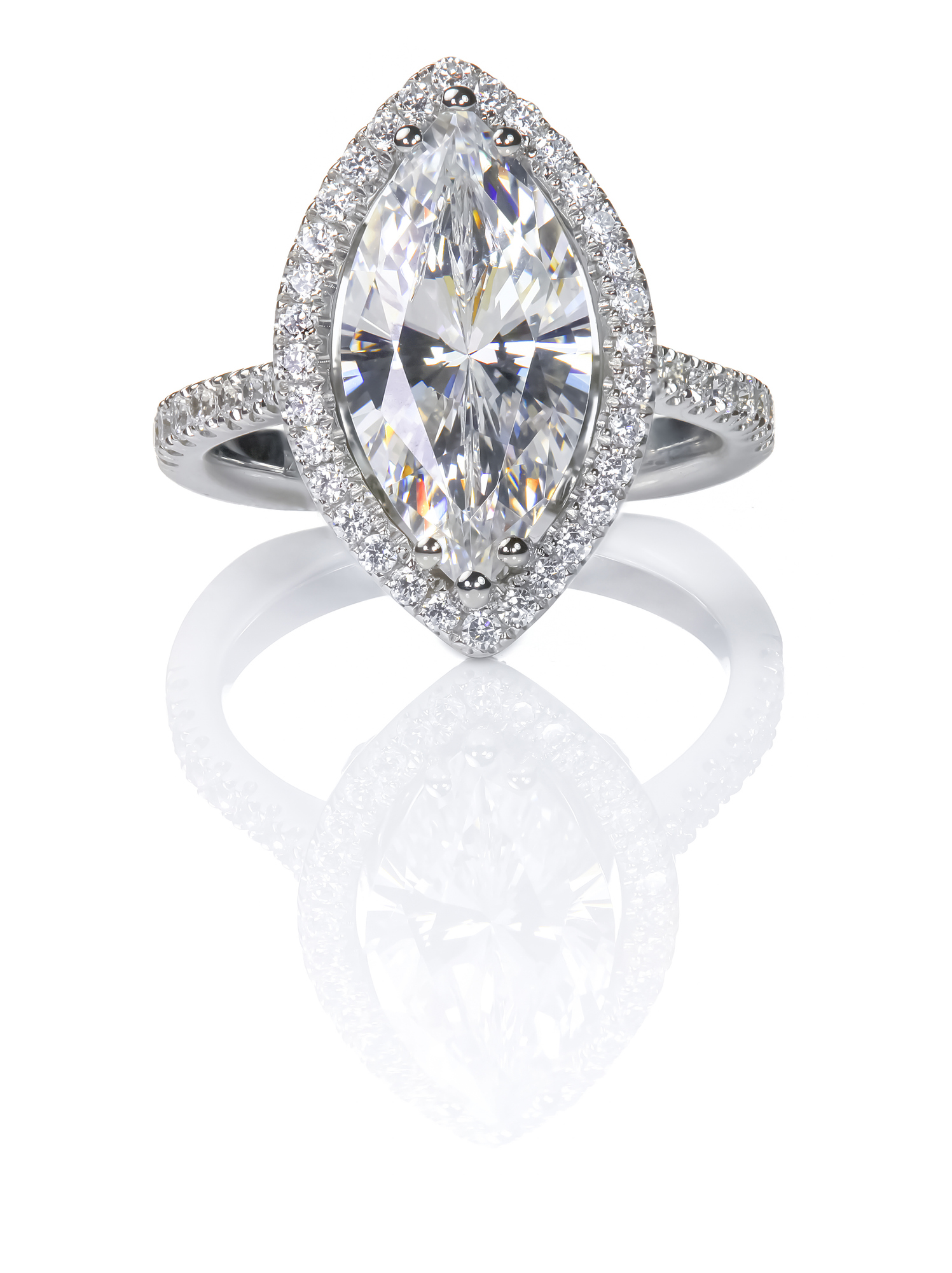
Note on elongated shapes: When purchasing Oval, Pear, or Marquise cuts, watch out for the “bow-tie effect”—a dark shadow in the shape of a bow tie running across the center of the stone. While a slight shadow is normal, a master gem cutter will minimize this effect.
The Best of Both Worlds: The Radiant Cut
If you are torn between the architectural shape of an Emerald cut and the blinding sparkle of a Round Brilliant, the Radiant cut is your perfect compromise.
Characteristics
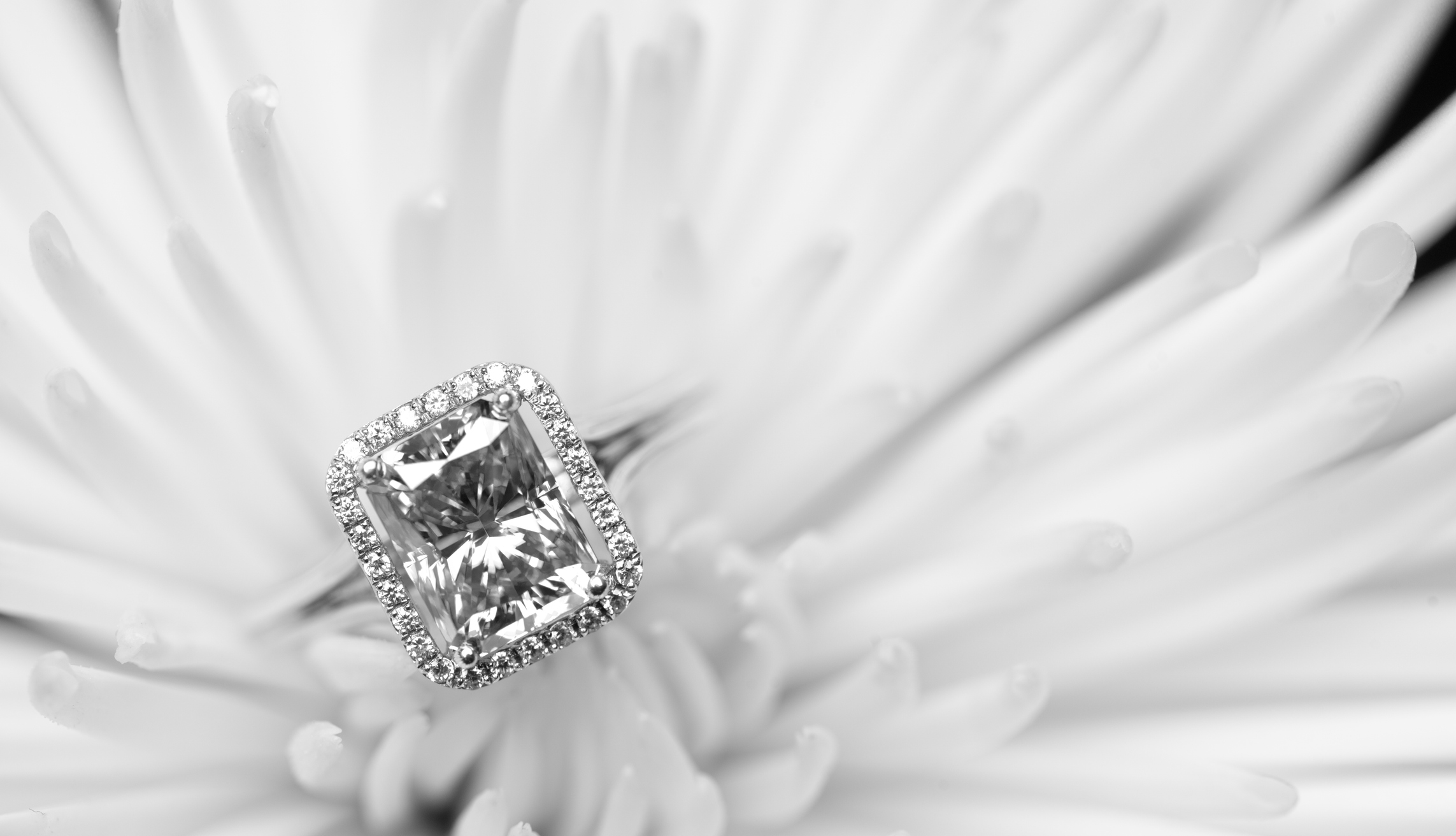
Invented in 1977, the Radiant cut features a rectangular or square shape with cropped corners (like the Emerald cut), but it utilizes the complex, triangular faceting of a brilliant cut on both its pavilion and crown.
Why Choose It?
The Radiant cut is famously forgiving. Because of its intense, chaotic sparkle, it excellently masks minor inclusions and color tints. The cropped corners also make it much more durable for daily wear compared to the sharp edges of a Princess cut. It is a bold, dazzling choice that catches light from every conceivable angle.
Conclusion: Making the Final Decision
Choosing the perfect cut for an engagement ring is an intimate, highly personal decision. There is no objective “best” cut—only the cut that perfectly captures the essence of your partner.
If she is a classic romantic, the fire of a Round Brilliant will never fail. If she has a flair for vintage aesthetics, a Cushion or Asscher cut will speak to her soul. If she loves sleek, architectural fashion, the clean lines of an Emerald cut will mesmerize her daily.
Take the time to observe the jewelry she already wears, consider her daily lifestyle, and trust your instincts. Whether you are building a custom piece or selecting from the masterfully curated MeVo Engagement Rings collection, ensuring the cut aligns with her unique style guarantees that when you open that box, her answer will undoubtedly be an enthusiastic “Yes.”

Leave a Reply