















If you have a flight coming up, using a carry-on bag will save you a lot of time and worry. You don’t have to wait at the baggage carousel; you’ll minimize the chance of a stolen or lost bag, and you’ll have everything you need in the overhead bin. But what does a carry-on bag look like?
A carry-on bag is a luggage that airplane passengers can take and store with them during the flight. But sometimes it can be confusing to know what actually qualifies as a carry-on because of airline size limits, bag styles, and different travel rules.
In this article, you’ll learn about the standard dimensions of a carry-on bag, how you can choose the right exterior, and the difference between a carry-on and a personal item. Aside from that, you’ll understand the weight limits and how they are different for every airline, and lastly, how to recognize TSA-approved locks and security features.
In this way, you can avoid unexpected happenings during gate-checking, and make your trip a smoother one, especially if you’ll travel with family gear like a compact stroller. This guide has everything you need to know about carry-on bags before you head to the airport.
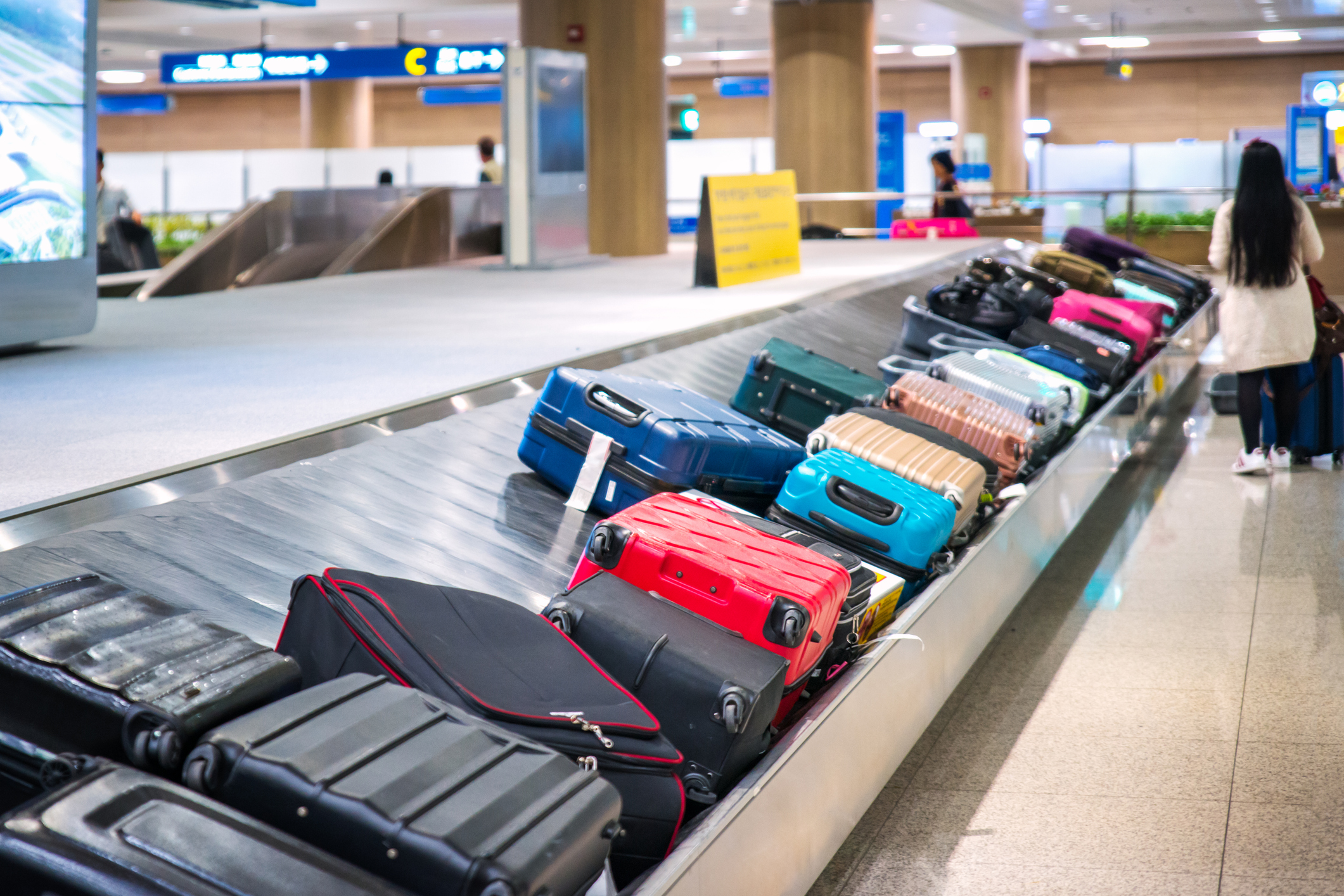
Understanding the Standard Dimensions of Carry-On Luggage
For the safety of everyone, planes have a size limit on bags that you bring along with you on the flight. Most major United States airlines follow a standard carry-on limit of 22 inches long x 14 inches wide x 9 inches deep, which includes the wheels and handles. Bags within these dimensions are made to fit in the overhead bin.
But not all airlines have the same rules. Budget and international carriers usually have stricter size limits. Sometimes, they allow carry-ons as small as 21 x 13 x 8 inches. This is why it is important that you check your airline’s policy first before you fly.
Hard-Shell vs. Soft-Sided: Choosing the Right Exterior
There are two types of carry-on bag exteriors: hard-shell and soft-sided carry-on luggage. Both of these carry-on bags have their own advantages. You just need to choose based on your needs and how often you fly.
Hard-Shell Carry-On Luggage
Hard-shell carry-on luggage is usually made from materials like polycarbonate, ABS, or aluminum. These bags provide protection for fragile items and electronics. They are more resistant to spills or rain as well. These bags look sleek and modern, which is why many travellers prefer them. However, hard-shell bags don’t stretch. This means overpacking can easily push them past the size limits of the airlines.
Soft-Sided Carry-On Luggage
Soft-sided carry-on luggage, on the other hand, is made from nylon or polyester. These bags can expand slightly, which means it is easier to fit them into tight overhead bins. Many of the soft-sided bags have multiple exterior pockets in them. These pockets are perfect for quick-access items like travel documents or snacks. The only downside is that they have less protection from impact and moisture.
In short, hard-shell carry-on bags have better protection; they have a structured shape, too, but with limited flexibility. Soft-sided carry-on bags are lightweight, expandable, and much easier to squeeze into overhead bins. If you want maximum durability and organization, a hard-shell carry-on bag would be best for you. But if you want flexibility and lighter weight, go for soft-sided carry-on bag.
Essential Features: Wheels, Handles, and Organization Pockets
Other than size and exterior material, carry-on bags also have features like wheels, handles, and pockets. These features are essential in making your airport navigation much faster and less stressful.
Wheels
Usually, a carry-on luggage has either two wheels or four spinner wheels. Two-wheel bags roll best on uneven surfaces. They also have more interior packing space. Four-wheel spinner bags glide smoothly in all directions. This makes them easier to maneuver through crowded terminals and tight aisles. Spinner wheels are a more convenient option if you’re a frequent flyer or you have multiple bags.
Handles
A quality carry-on should have a sturdy telescoping handle that locks at multiple heights. Top and side carry handles are also important. You’ll use these handles when lifting your bag into overhead bins or quickly grabbing it from the security scanners. It is better if the handles are padded, too, to reduce hand strain during longer walks through the airport.
Organization Pockets
With interior and exterior pockets, everything will be accessible to you. Look for:
- Exterior pockets for travel documents, electronics, or snacks
- Interior zippered compartments to separate clothing and shoes
- Compression straps to keep items secure and reduce shifting
The Difference Between a Carry-On and a Personal Item
A carry-on bag is different from a personal item. And the airlines treat these two things very differently. You can bring both of these bags in the cabin, but you have to understand that they have different size limits, storage locations, and purposes.
- A carry-on bag is the larger one of the two items allowed in the cabin. It is made to fit in the overhead bin and usually measures around 22 x 14 x 9 inches, wheels and handles included. Common carry-on bags include rolling suitcases, travel backpacks, and structured duffel bags. This is where most travellers pack clothing, shoes, and larger essentials.
- A personal item is smaller and must fit under the seat in front of you. This includes a backpack, purse, laptop bag, diaper bag, or small tote. Personal items measure around 18 x 14 x 8 inches. Because personal items are easier to store, many budget airlines allow only these items unless you pay extra.
Identifying the Sizer Box at the Airport Gate
The sizer box at the airport gate will be your final test. This metal frame will show the exact maximum dimension your bag must fit into to be considered an approved carry-on or personal item.
You’ll usually find these sizer boxes near the check-in counters, security areas, or boarding gates. They’re usually clearly labelled with signs like “Carry-On Size Check” or “Personal Item Sizer.” There are airlines that provide two boxes side by side, one for carry-ons and one for personal items. This way, you can compare sizes easily.
To pass the test, your bag must slide into the sizer box without force. If you have to push, compress aggressively, or remove items, your bag may be considered oversized. The one bag that is more likely to fail this test is the hard-shell luggage, especially if it exceeds dimension. Soft-sided bags are a bit more flexible.
Tips for avoiding sizer box issues:
- Measure your bag at home, don’t forget to include the handles and wheels
- Never ever overpack. This will cause your bag to bulge.
- Use soft-sided bags if you’re flying on strict or budget airlines
Weight Limits and How They Vary by Airline
It is not only the size that matters, but you also need to consider the weight of your carry-on bag. Again, the weight limits are different depending on the airline you’re flying. Many airlines in the United States often don’t have strict carry-on weight limits, but international and budget carriers enforce them closely.
U.S. airlines focus more on dimensions rather than weight. As long as you can lift your carry-on into the overhead bin without assistance, you are good to go. However, some airlines may intervene if a bag appears unusually heavy or difficult to handle.
International and low-cost airlines usually impose carry-on weight limits ranging from 7 kg (15 lbs) to 10 kg (22 lbs). These limits usually include both your carry-on and personal item combined. Airlines may check weight at the gate, especially on full nights or short-haul routes.
Common carry-on weight policies:
- U.S. full-service airlines: Rarely enforce weight limits
- International airlines: Typically 7-10 kg limits
- Budget airlines: Strict weight checks and extra fees
To avoid surprises at the airport, it is better that you weigh your bag at home. Redistribute heavier items into your personal item if allowed. Choose lightweight luggage and pack smart to make sure your bag meets both size and weight requirements.
Specialized Carry-Ons: Garment Bags and Under-Seat Rollers
Not all carry-ons are the standard rolling suitcases, there are other carry-ons like garment bags and under-seat rollers. These are specialized carry-on bags that are for specific travel needs while still falling within airline cabin rules.
Garment Bags
Carry-on bags are perfect for travellers carrying suits, dresses, or formal wear. You can fold these bags in half and they are designed to fit in the overhead bin without excessive wrinkling. Many of these bags have interior straps to secure clothing and pockets for shoes or accessories. But, once packed, garment bags can easily exceed thickness limits, so be careful on packing them.
Under-Seat Rollers
Under-seat rolling bags are smaller, compact suitcases made to fit beneath the seat in front of you. They are popular with short trips, business travelers, and anyone flying on airlines with strict carry-on policies. Even though they have less space for packing, they often eliminate overhead bin competition and reduce the risk of gate checking.
Recognizing TSA-Approved Locks and Security Features
The security features of a carry-on bag are important, too. The right locks and built-in protections will keep your belongings safe, and you won’t have any issues during TSA inspections.
Here’s how to spot TSA-approved locks
TSA-approved locks are identified by a red diamond symbol on the lock itself. This symbol means TSA agents can open the lock with a universal key if your bag needs inspection, then lock it again without damage. Carry-ons may have:
- Built-in combination locks (common on hard-shell luggage)
- Removable TSA-approved padlocks for zipper pulls.
Avoid non-TSA locks, because they may be cut off if inspection is needed.
Zipper and closure security
High-quality carry-ons usually use interlocking zipper pulls that can be secured together with a lock. There are also anti-puncture or reinforced zippers, which are more resistant to tampering than standard coils.
Extra security features worth considering:
- RFID-blocking pockets to protect credit cards and passports
- Hidden compartments for valuables
- Tamper-resistant seams and reinforced corners


Leave a Reply