






Every parent wants a child who loves learning, and yet a lot of childhood is structured in ways that quietly erode that love. The good news is that the love of learning is the default human state. Babies and toddlers are voracious learners. The question is not how to install it, but how to avoid losing it. Here is what actually helps.
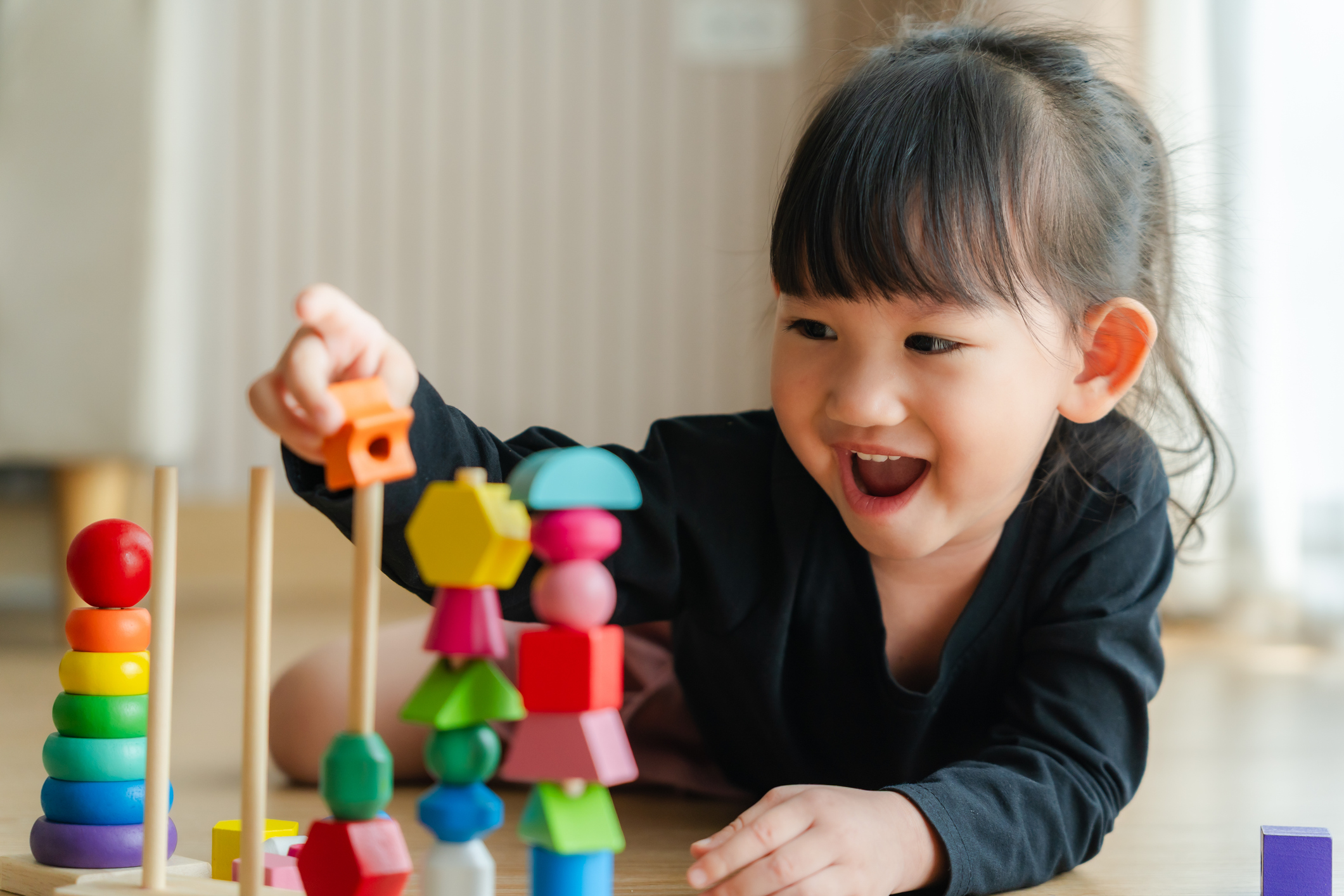
The starting point
Curiosity is the natural state of a child. Schools, homes and parenting choices either nurture it or wear it down. The most powerful parenting move is often to protect the curiosity that is already there.
Lead by Genuine Interest
Children pick up the habit of learning by watching the adults around them. A parent who reads for pleasure, follows current affairs, picks up new skills in middle age and talks enthusiastically about ideas is doing more for their child’s intellectual life than any tutor.
Make sure your child sees you doing this. Read in front of them. Talk about what you have read. Bring them into conversations about things that interest you. The signal that learning is something grown-ups still do is one of the most important you can send.
Answer Questions Properly
Children ask hundreds of questions in their early years, and the way those questions are answered shapes their long-term relationship with learning. The two unhelpful responses are dismissal and over-answering. Dismissal teaches the child that their questions are unwelcome. Over-answering teaches them that adults will do the thinking for them.
The best response is usually a short, accurate answer followed by a question back. Yes, the moon does change shape, what do you think makes that happen? This keeps the child in the role of investigator rather than recipient.
Protect Time for Boredom
Children who learn to love learning are usually those whose lives have not been over-scheduled. Independent prep schools with a strong sense of joyful, broad education often build unstructured time into their school day deliberately, knowing that the imagination needs room to roam. The Roche School and many similar schools recognise that filling every minute is one of the surest ways to flatten a child’s natural interest.
At home, leave time unstructured. A weekend with no plans is a gift. A long afternoon with nothing to do will be filled, eventually, with something the child has chosen, and those self-chosen activities are usually where the deepest learning happens.
Books, Books, Books
Of all the simple, effective interventions in childhood, a house full of accessible books is among the most reliable. Children raised with books at hand, read to from infancy and free to choose their own, almost always become readers. Children raised in book-light homes, with screens at hand instead, rarely do.
- Visit the library weekly, particularly in the early years.
- Let your child see you reading at home, not just at bedtime.
- Buy books second-hand and let your child choose freely.
- Read to them long after they can read for themselves. The shared reading is part of the magic.
Treat Mistakes as Useful
Children who fear getting things wrong tend to stop trying. Children who treat mistakes as interesting tend to keep going. This is one of the deepest divides in long-term love of learning, and it begins with how the adults around them respond to errors.
When your child makes a mistake, react with curiosity rather than disappointment. Interesting, what do you think happened there? When you make a mistake of your own, name it the same way. This kind of running, casual normalisation of error transforms how a child engages with anything they find hard.
Find Their Lever
Every child has something that they will read about, watch documentaries on, talk endlessly about, given the chance. It might be dinosaurs, football, baking, space, knitting, drama, computers, animals. Whatever it is, take it seriously. That single area of obsessive interest is the lever through which a child learns what real learning feels like.
Once they know that feeling in one area, they can recognise it elsewhere, and the love of learning starts to generalise.
Avoid the Bribery Trap
External rewards for learning can backfire over time. A child who is paid for reading books often reads less for pleasure once the payments stop. A child who is given star charts for homework often loses motivation when the charts disappear.
Use rewards sparingly and for short stretches. Most of the time, the better tool is genuine interest, warm conversation and the satisfaction of progress noticed honestly by an adult who actually cares.
The Adult Reader They Will Become
A child who genuinely loves learning grows into an adult who reads voluntarily, picks up new skills throughout life, finds work that engages them, and stays mentally vigorous well into older age. None of this is exotic. It is the natural outcome of a curiosity-friendly childhood, sustained over years. For more on broad, joyful prep school education, visit https://therocheschool.com/.
About the Author
This article was contributed by The Roche School, an independent prep school in south-west London, offering a warm, family-feel education with a strong sense of curiosity and joy in learning.
Learn more: https://therocheschool.com/

Leave a Reply