















You know the feeling. You pick up a pair of jeans in your usual size, hoping this time might be different. But a few minutes later, you’re in the fitting room wondering how one pair won’t go past your thighs, another gaps at the waist, and a third feels fine—until you sit down.
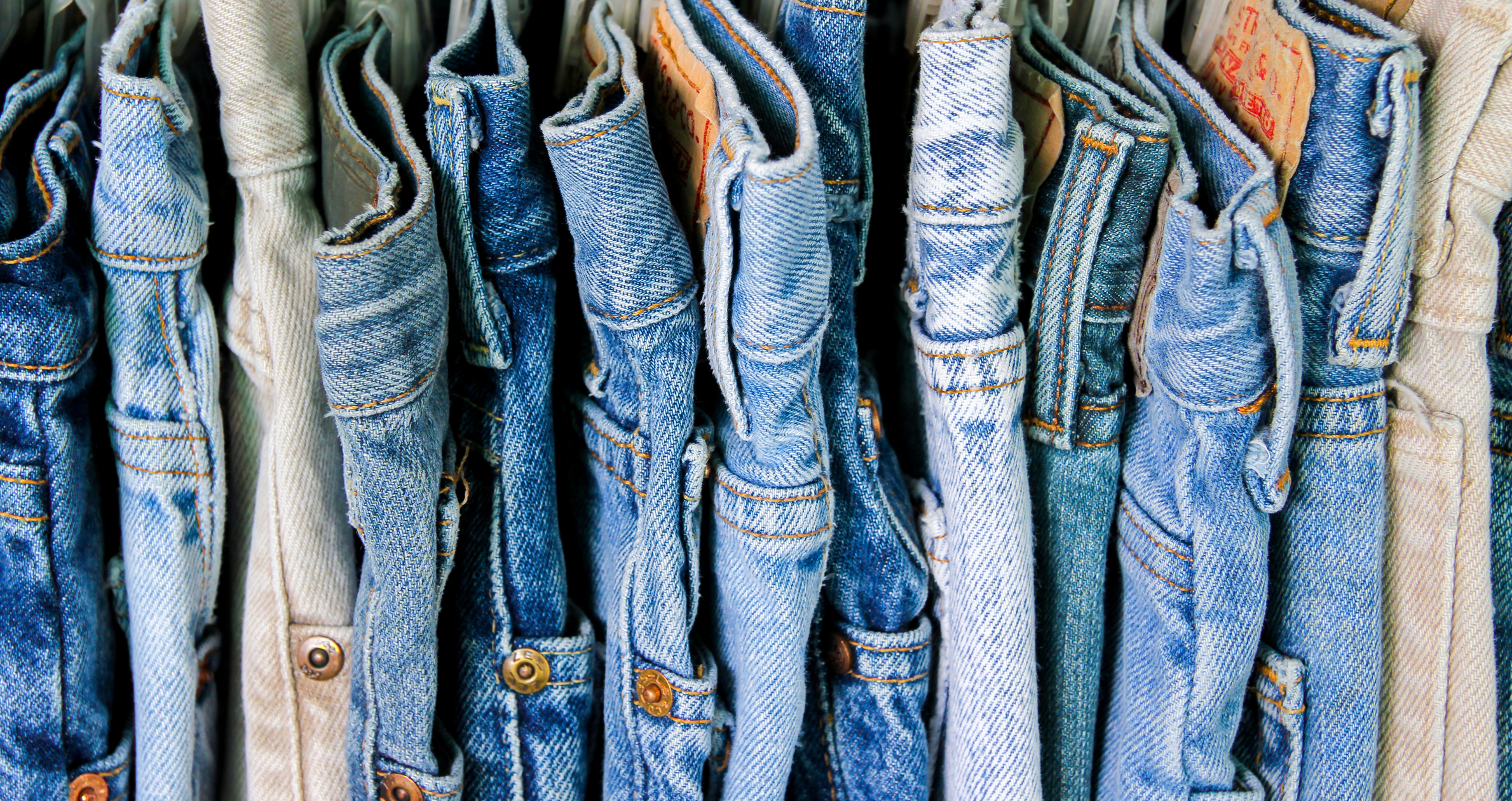
After a while, it starts to feel personal.
You might even catch yourself thinking your body has changed, or that you’re just choosing the wrong styles. But here’s the part worth holding onto: the problem has never really been you.
For a long time, jeans have been designed around a very limited idea of what a “standard” body looks like. In reality, your waist, hips, height, and proportions don’t follow a neat formula—and they’re not supposed to. Yet traditional sizing has often treated them as if they do, which is exactly why finding the right pair can feel so frustrating. A waistband that fits doesn’t guarantee room through the hips, and a comfortable rise on the hanger can feel completely different once you move.
The shift happening now is subtle, but important.
More brands are starting to realise that fit matters far more than chasing trends. Instead of pushing out the same rigid styles season after season, there’s a growing focus on flexibility—stretch fabrics that actually recover after you sit and stand, cuts that consider different body shapes rather than a single proportion, and designs that feel wearable beyond just the changing room mirror. It’s not just about how jeans look when you’re standing still, but how they respond when you walk, bend, and live in them.
What’s interesting is that this change isn’t just happening at the surface level. Behind the scenes, the way jeans are made and sourced is evolving too. Many suppliers in the wholesale denim space are moving toward smaller, more adaptable production runs, which allows brands to test different rises, leg shapes, and fabric blends instead of committing to one fixed fit. That flexibility makes it easier to adjust patterns based on real feedback, not just assumptions about sizing.
Across the wider wholesale denim market, there’s a noticeable shift toward offering more variety rather than more volume. Instead of scaling a single fit across every size, there’s growing attention on how proportions change between sizes—something that used to be largely overlooked. And while you might never see that process directly, you feel the result of it every time you try on a pair that fits not just in one place, but in several.
So what does that mean for you?
It means you can stop chasing a single “correct” size. If one pair fits and another doesn’t, that’s not inconsistency on your part—it’s design variation. Try different cuts instead of automatically sizing up or down, and pay attention to what happens when you sit, walk, or bend—not just how the jeans look in the mirror. If the waist fits but pulls across the hips, it’s often a cut issue rather than a size issue. And if the fabric feels supportive at first but quickly loses shape, that’s about material quality, not your body.
And maybe most importantly, it reframes the whole experience.
Trying on jeans doesn’t have to be a quiet test of whether your body measures up. Sometimes the jeans are simply not designed well enough yet.
But they’re getting there.
Because for the first time in a long time, the industry is starting to move—slowly, but noticeably—toward real bodies, real comfort, and real life.
And that makes finding the right pair feel just a little less impossible.

Leave a Reply