











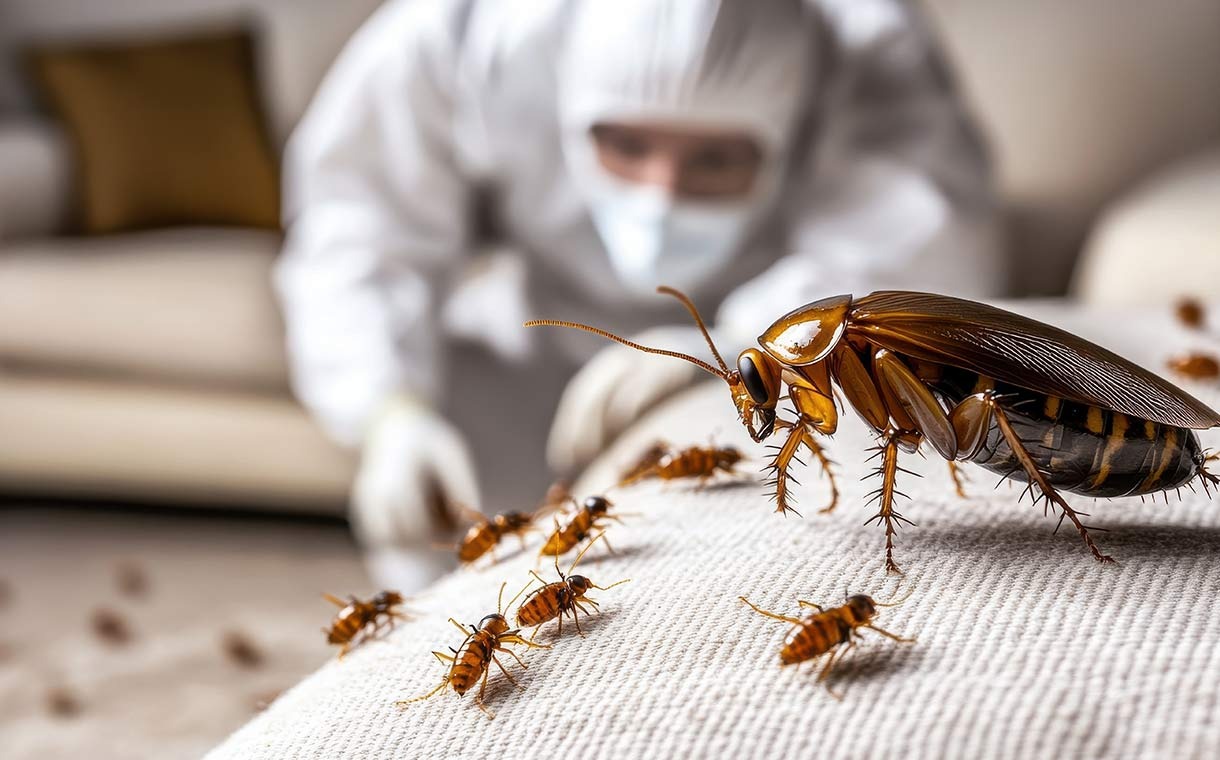
Being a property owner is a difficult job. You must tackle numerous problems, including unexpected repairs and maintenance requests. However, among all these, one issue all landlords dread the most is hearing from a tenant that they have a pest problem in their apartment. The solution to pest problems is more than just spraying and hoping for the best.
A property owner must have a pest prevention plan, understand their legal obligations, and know when to take action against tenants for pest concerns. When a landlord addresses pest concerns proactively, they protect the property, ensure tenant satisfaction, and reduce the likelihood of tenant disputes. Continue reading as this guide helps you develop a plan of action to prevent pest problems and minimize their impact.
Why Pest Control is a Shared Responsibility in Rental Housing?
In a rental property, responsibility for pest control should be shared between you and your tenants. You have an obligation from the first day the tenant moves into the property to maintain cleanliness, security, and livability. This means addressing issues such as leaks or holes that attract pests, sealing entryways, and scheduling regular pest inspections after moving in. However, after a tenant moves in, their daily habits will also help contribute to keeping pests away.
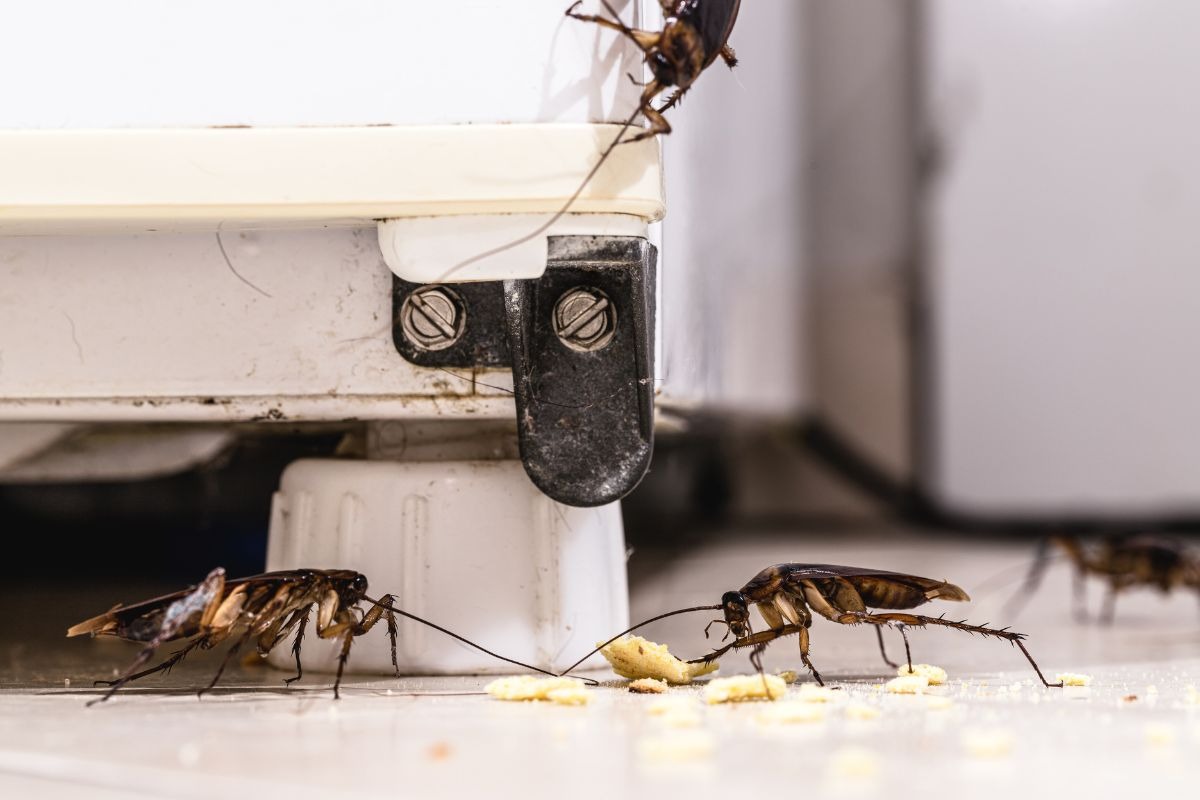
If food goes uncovered, trash accumulates, and maintenance issues arise, even the most well-maintained rental property can become infested with roaches or mice. By combining efforts between landlords and tenants, solutions to pest control problems can be implemented more efficiently.
Let’s be honest, clear communication can also be beneficial. When your tenants feel comfortable reporting issues early, you can respond promptly before they escalate. You also avoid the blame game later on when the lease outlines requirements, such as appropriate trash disposal or reporting problems. Consult with a property management team in Austin Texas, who can help you understand lease clauses related to sanitation. Having a comfortable and healthy home is what both you and your tenants desire. When you cooperate, you can avoid expensive damage, save time, and maintain better living conditions for everyone.
Common Causes of Pest Problems in Rentals
1 Clustered Spaces
Apartment living often creates close quarters among tenants, which can lead to pest problems in multiple rental units. Pests can travel from unit to unit along shared walls, through hallways, or in trash bin areas. Therefore, when pest infestations occur in a tenant’s apartment, they may quickly spread to the surrounding units. Even though a tenant maintains a clean and sanitary apartment unit, their next-door neighbor may have rotting garbage or improperly sealed food left outside, which can easily attract insects.
Damp bathrooms are prime breeding zones for insects; therefore, if one unit has been overcrowded with tenants or has had plumbing and other maintenance issues that have not been addressed promptly, that unit may soon become infested with unwanted pests. It is essential to implement methods for identifying potential sources of infestation in order to prevent the spread of pests to other units.
2 Unsealed Entry Points
Your home is highly susceptible to pest invasion if there are any holes, gaps, slits, or cracks in the foundation, walls, doors, or windows. If you have any wood, termites will drill their way into any available space. Ants will take advantage of any opportunity to enter through an open window or door, bringing their entire colony with them.
These pests often build nests and worsen the problem by multiplying quickly than you can get rid of them on your own. Inspect the screens on windows and doors in your rental property, checking them frequently for cracks. Repair them correctly the first time, and remove them if a nest is discovered. You may also choose to hire a reputable pest control firm to do it for you.
3 Poorly Maintained Lawn
You might be surprised at how quickly a neglected lawn can become a refuge for pests. Insects and rodents have ideal hiding places just outside your home, often found in overgrown grass, stagnant water, and piles of waste. Once they’re comfortable there, it’s only a matter of time before they find a way inside.
Maintaining a clean and well-trimmed exterior is an important line of defense when it extends beyond mere curb appeal. Pests can be prevented from reaching your door with regular lawn care, proper trash disposal, and timely drainage repair. A little outdoor maintenance here and there goes a long way in protecting your rental from these unwanted guests.
Landlord-Tenant Responsibilities in Pest Management
Both you and your renters have important roles to play in managing pests in rental properties. When renters move in, you are responsible for ensuring the house is free from pests and maintaining it by addressing leaks, sealing gaps, and scheduling professional treatments as needed. If an infestation develops as a result of natural or structural problems, landlords are responsible for fixing it.
On the other hand, tenants are responsible for maintaining a clean living area, disposing of trash properly, and promptly reporting any pest sightings. Most people are unaware of how their daily routines can affect their environment. When these expectations are clear, and both parties stay proactive, pest problems are easier to handle before they escalate.
Conclusion
We all know that pest problems don’t disappear on their own, and waiting only makes the situation worse. As a property owner, it is your responsibility to stay proactive and encourage your tenants to communicate and set clear expectations with them to prevent pest issues before they turn into expensive repairs. You can keep your rentals healthy, prevent pest problems, and retain a solid reputation as a responsible landlord with the right approach and cooperation from your tenants.


Leave a Reply