














For many people living with Post-Traumatic Stress Disorder (PTSD), healing can feel like a long and uncertain road. Traditional therapy and medication often help, but some survivors also find healing in places they least expect—like a yoga mat.
Trauma-informed yoga is more than a workout. It’s a gentle, mindful way to reconnect with the body, release stored tension, and feel safe again after trauma. It can offer comfort where words sometimes fall short.
In this article, we’ll explore what trauma-informed yoga is, how it helps with PTSD recovery, and why it’s gaining attention in mental health care.
What Is PTSD?
PTSD is a mental health condition that develops after someone experiences or witnesses a traumatic event. This could be war, abuse, an accident, natural disaster, or prolonged exposure to stress.
Common symptoms include:
– Flashbacks or nightmares
– Avoidance of reminders of the trauma
– Anxiety and panic attacks
– Hypervigilance (feeling constantly “on edge”)
– Emotional numbness or detachment
– Difficulty sleeping or concentrating
📊 According to the National Center for PTSD, about 6% of U.S. adults will develop PTSD at some point in their lives. Rates are even higher among survivors of childhood abuse, domestic violence, and military combat [1].
What Is Trauma-Informed Yoga?
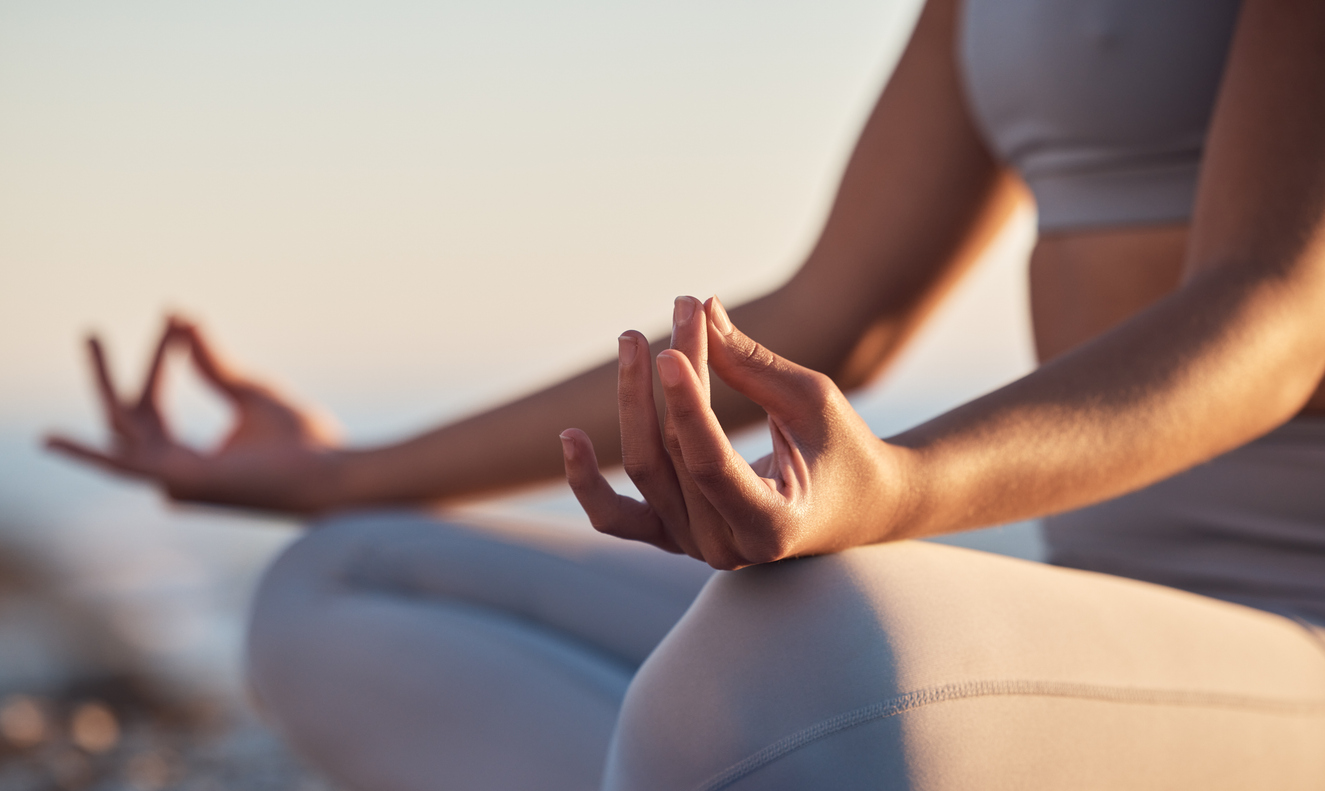
Trauma-informed yoga is a specialized approach to yoga that focuses on creating a safe, supportive, and empowering experience for people with trauma histories. Unlike traditional yoga, it’s not about perfect poses or physical flexibility—it’s about reclaiming the body and restoring safety.
Key features of trauma-informed yoga:
– Choice-based: Instructors invite participants to explore movements without pressure or commands.
– No physical touch: Adjustments are verbal, never hands-on, to respect personal boundaries.
– Focus on sensations: Encourages participants to notice how they feel rather than how they look.
– Safe environment: The space is calm, predictable, and inclusive.
– Grounding over intensity: Gentle movement is prioritized over challenging or fast-paced poses.
This form of yoga isn’t about escaping the body—it’s about coming home to it.
How Trauma Affects the Body
Trauma doesn’t just impact the mind—it affects the nervous system and the body. When a person goes through a traumatic event, their body often enters a state of fight, flight, or freeze. For many people with PTSD, this stress response stays activated long after the danger has passed.
Symptoms like muscle tension, shallow breathing, and chronic pain are common. Over time, people may disconnect from their bodies as a way to cope. Trauma-informed yoga gently helps reconnect body and mind in a safe, intentional way.
📊 As Dr. Bessel van der Kolk writes in The Body Keeps the Score, “Traumatized people chronically feel unsafe inside their bodies. Yoga helps regain ownership of the body and mind” [2].
Benefits of Trauma-Informed Yoga for PTSD
Research and real-world experiences show that trauma-informed yoga can be a powerful tool in PTSD recovery.
1. Regulates the Nervous System
Gentle movements and breathwork help activate the parasympathetic nervous system, which promotes relaxation and a sense of calm. This helps lower heart rate, reduce stress hormones like cortisol, and improve emotional regulation.
2. Builds Body Awareness
Many trauma survivors struggle to feel safe in their own bodies. Trauma-informed yoga helps them tune into physical sensations without judgment. This awareness builds trust in the body and allows for healthier responses to emotional triggers.
3. Restores a Sense of Control
Trauma often takes away a person’s sense of choice. In trauma-informed yoga, participants are always in control. They can modify or skip poses, take breaks, or just breathe. This can feel incredibly empowering during recovery.
4. Improves Sleep and Mood
Regular yoga practice has been linked to better sleep, reduced anxiety, and improved mood. It can also help with symptoms like irritability, fatigue, and emotional numbness.
📊 A study published in Journal of Clinical Psychiatry found that veterans who participated in trauma-sensitive yoga showed significant reductions in PTSD symptoms compared to those who received traditional therapy alone [3].
What to Expect in a Trauma-Informed Yoga Class
Every class is different, but here are some common features:
– A calm, quiet environment
– Soft lighting and minimal distractions
– Slow-paced, simple movements
– Optional breathwork and guided relaxation
– Respect for each person’s space and pace
– An instructor trained in trauma-informed care
You don’t need to be flexible or experienced. The goal is not performance—it’s presence.
Tips for Getting Started
If you’re considering trauma-informed yoga for yourself or a loved one, here are a few suggestions:
– Look for trained instructors: Seek out teachers certified in trauma-sensitive or trauma-informed yoga.
– Start with short sessions: Even 10–15 minutes can offer relief.
– Use online resources: There are many free videos tailored to trauma survivors.
– Go at your own pace: It’s okay to skip poses, take breaks, or rest.
– Pair with other supports: Yoga works well alongside therapy, support groups, or medication.
Final Thoughts
Healing from PTSD takes time—and there’s no one-size-fits-all path. But trauma-informed yoga offers a gentle, body-based approach that can complement traditional therapy and empower survivors in their recovery.
Through mindful movement, breath, and compassion, yoga becomes more than exercise. It becomes a tool for reclaiming peace, safety, and connection—from the inside out.
You don’t have to be strong to begin. You just have to begin—one breath, one stretch, one moment at a time.
References
[1] National Center for PTSD. (2023). PTSD Basics. https://www.ptsd.va.gov
[2] van der Kolk, B. A. (2014). The Body Keeps the Score: Brain, Mind, and Body in the Healing of Trauma. Penguin Books.
[3] Cushing, R. E., et al. (2018). “Trauma-sensitive yoga as a complementary treatment for PTSD.” Journal of Clinical Psychiatry, 79(5), 17r11798. https://doi.org/10.4088/JCP.17r11798


Leave a Reply