












Helping kids get a good night’s sleep can sometimes feel like an uphill battle. Whether it’s bedtime resistance, nighttime waking, or restlessness, many parents eventually search for effective sleep aid for kids. Before turning to medications or supplements, it’s important to understand the natural approaches, routines, and supportive tools that can make bedtime easier for both children and parents. Pairing healthy sleep habits with calming tools, such as a white noise machine sound, can create an environment where kids feel secure, relaxed, and ready to rest.
This guide explores the most effective strategies and considerations when it comes to helping kids sleep better, from routines and natural remedies to when it may be time to consult a pediatrician.
Understanding Why Kids Struggle with Sleep
Sleep issues are common in children and can stem from a variety of causes. Developmental changes, emotional stress, diet, and even environmental factors can all play a role. Younger children may experience separation anxiety, while older kids might struggle with overstimulation from screen time or difficulty winding down after a busy day.
Inconsistent sleep schedules often make these challenges worse. Just like adults, children thrive on routine. If bedtime varies from night to night, their internal body clock gets disrupted, making it harder for them to fall asleep quickly and stay asleep through the night.
Recognizing the root causes of your child’s sleep troubles is the first step toward finding the right sleep aid for kids—whether that’s a natural method, environmental adjustment, or professional support.
The First Step: Establishing a Solid Bedtime Routine
One of the most effective sleep aids doesn’t come from a bottle—it comes from structure. A consistent bedtime routine signals to your child’s brain that it’s time to slow down and prepare for rest.
A successful bedtime routine might include:
- Wind-down activities: Reading a book, listening to soft music, or sharing quiet time together.
- Comfort cues: Dim lighting, soft pajamas, and a cozy blanket.
- Consistency: Keeping the same bedtime every night, even on weekends.
By making bedtime predictable, children feel safe and secure, which reduces resistance and anxiety. Over time, this routine becomes a natural signal to their body that sleep is coming.
Natural Sleep Aids: From Melatonin to Warm Milk
Parents often ask about natural remedies when searching for a sleep aid for kids. While some supplements can help, it’s important to approach them carefully.
- Melatonin: A natural hormone that regulates sleep, melatonin supplements are sometimes recommended for children with sleep disorders or ADHD. However, they should only be used under pediatric guidance, as long-term effects are still being studied.
- Warm milk or herbal teas: Warm milk contains tryptophan, which can help promote relaxation, while caffeine-free herbal teas like chamomile may be safe for older children.
- Aromatherapy: Lavender-scented sprays or diffusers can create a calming atmosphere.
These remedies work best when paired with healthy bedtime habits and a relaxing environment, rather than being the sole solution.
Creating a Sleep-Friendly Environment
Your child’s sleep environment plays a critical role in the success of any sleep aid for kids. A bedroom that is too bright, noisy, or stimulating can make falling asleep nearly impossible.
Key elements of a sleep-friendly space include:
- Lighting: Keep the room dim with blackout curtains or a soft nightlight for children who fear the dark.
- Temperature: Aim for a cool, comfortable room—between 65–70°F (18–21°C).
- Noise control: A white noise machine sound can drown out disruptive noises and create a soothing, consistent background hum that signals sleep time.
- Minimal distractions: Remove toys, electronics, or clutter that can keep your child engaged instead of relaxed.
By making the bedroom a peaceful sanctuary, you increase the effectiveness of any sleep aid or routine.
Addressing Anxiety and Bedtime Fears
Many children resist bedtime because of anxiety or nighttime fears. Monsters under the bed, fear of separation, or general worries can make settling down more difficult.
Strategies to address bedtime fears include:
- Reassurance: Spend a few extra minutes with your child to provide comfort.
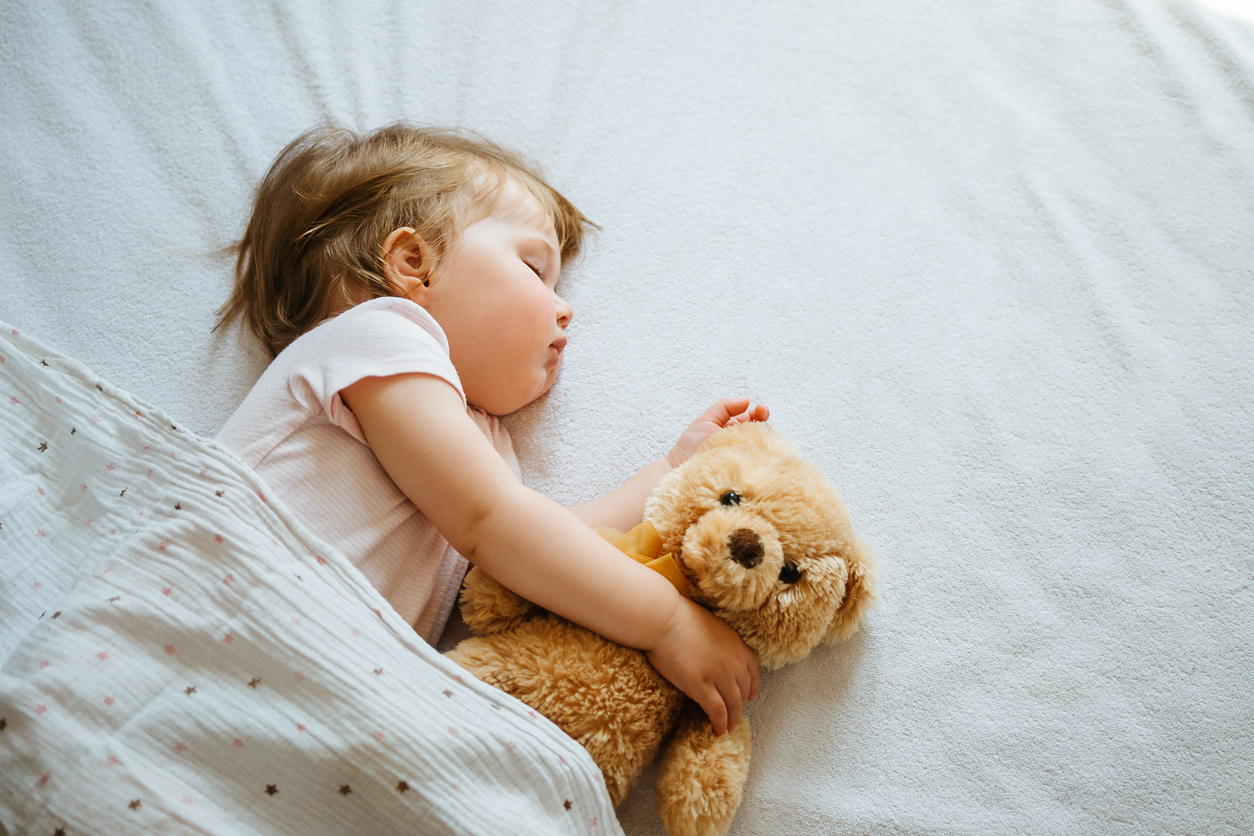
- Transitional objects: A favorite stuffed animal or blanket can provide a sense of security.
- Visualization techniques: Encourage your child to imagine a happy place or story before falling asleep.
- Relaxation exercises: Simple breathing exercises can calm both body and mind.
Sometimes, anxiety is situational—linked to changes like starting school or moving homes. Identifying the root of these fears and addressing them directly can make a big difference.
When to Consider Medication for Sleep
While most children respond well to natural and environmental approaches, some cases may require medical intervention. Prescription sleep aids are typically a last resort and are generally reserved for children with diagnosed sleep disorders or co-existing conditions that significantly impact rest.
If your child consistently struggles to sleep despite efforts with routines, natural remedies, and environmental adjustments, it may be time to consult your pediatrician. They can rule out underlying issues such as sleep apnea, restless legs syndrome, or behavioral conditions.
Talking to Your Pediatrician about Sleep Concerns
Bringing sleep concerns to a pediatrician is an important step if you’ve tried multiple strategies without success. Before your appointment, track your child’s sleep patterns for at least one to two weeks. Note:
- Bedtime and wake-up times
- How long it takes to fall asleep
- Night wakings or nightmares
- Daytime behavior and energy levels
This information can help your pediatrician make a clear assessment. They may recommend further evaluation or, in some cases, short-term use of medical sleep aids. Always follow professional guidance and never give your child over-the-counter sleep medication without approval.
Patience and Consistency: The Ultimate Sleep Aid
At the end of the day, the most reliable sleep aid for kids is patience combined with consistency. Children need time to adjust to new routines, and setbacks are normal. Stick with bedtime rituals, keep the sleep environment calm, and remain consistent in your approach, even if progress feels slow.
Over time, your child will begin to associate these cues with rest, making bedtime smoother for everyone. Remember, there is no one-size-fits-all solution—each child has unique needs, and what works for one family may not work for another.
Final Thoughts
Finding the right sleep aid for kids doesn’t have to mean turning to medication first. By focusing on routines, natural remedies, a supportive environment, and addressing emotional needs, you can help your child develop healthy sleep habits that last a lifetime. When combined with soothing tools like a white noise machine sound, kids are more likely to relax, fall asleep faster, and enjoy deeper, restorative sleep.
Sleep is essential for growth, learning, and overall health. With the right balance of patience, structure, and supportive tools, bedtime can transform from a nightly struggle into a peaceful ritual.


Leave a Reply