
















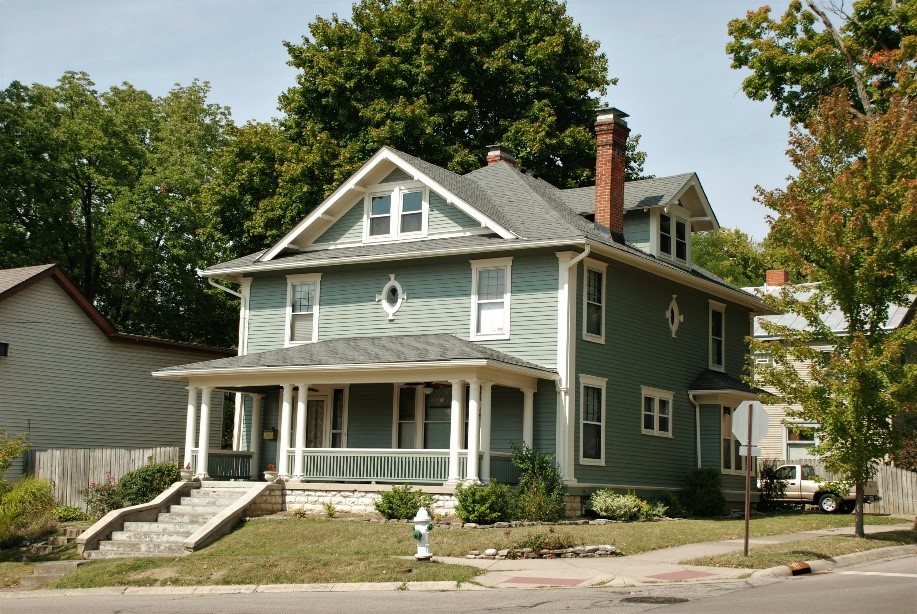
In the realm of home design and architecture, first impressions aren’t just fleeting moments—they set the tone for everything that follows. Just as a book cover can hint at the story within its pages, the exterior of a home reveals volumes about what lies beyond the threshold. While homeowners often invest heavily in interior aesthetics, the exterior remains the initial—and often most powerful—statement. This facade speaks not only to style preferences but also to a homeowner’s values, lifestyle, and aspirations.
From architectural lines to textures and finishes, each element of a home’s exterior contributes to a narrative. It reflects choices made deliberately to communicate identity, function, and pride. Whether the house is modern or traditional, minimalist or ornate, its outer layer creates expectations. These expectations often shape perceptions long before guests or potential buyers step inside. The interplay of materials, colors, landscaping, and details builds a sensory experience that sets the stage for the interior design that follows.
The Language of Cladding: Understanding the Significance of Siding
One of the most telling features of a home’s exterior is its siding. More than just a protective shell, siding functions as a canvas upon which the character of the house is expressed. The texture, hue, and condition of siding can convey messages about the maintenance habits of the homeowner, the architectural era of the house, and the emotional atmosphere likely found indoors.
There is a psychological association between well-maintained, aesthetically pleasing siding and a well-organized, thoughtfully curated interior. To achieve that level of exterior impact, get in touch with local siding contractors who understand how to balance style with durability, ensuring that the materials chosen not only enhance curb appeal but also reflect the care and attention extended throughout the home.
Whether using fiber cement, vinyl, wood, or composite materials, the siding selected can subtly signal elegance, minimalism, rustic charm, or modern innovation. Each choice aligns with a broader narrative, shaping assumptions before a single step is taken inside.
Windows into Personality: Glass as a Design Statement
Windows serve as literal and figurative portals. Their shape, size, arrangement, and trim detail communicate both functionality and design sensibility. Expansive floor-to-ceiling windows, for example, suggest a modernist ethos centered on openness, light, and integration with the outdoors. They hint at open floor plans, minimal furnishings, and a connection to nature.
On the other hand, small, shuttered windows in symmetrical placements might indicate a preference for tradition and privacy, pointing to interiors rich in classic furnishings, defined rooms, and possibly heirloom decor. The treatment of window exteriors—from ornate frames to understated aluminum trims—further refines the image being projected.
The consistency between the message conveyed by the windows and the interior layout builds trust. It assures guests or buyers that what they expect to find inside will match the tone set outside. It’s a silent promise of architectural and emotional continuity.
Roofing and Detail: The Finishing Touches That Speak Volumes
The roof, though often overlooked, plays a critical role in shaping perceptions. Its color, slope, and condition can alter the entire feel of a home. A bold black metal roof may convey contemporary flair and eco-conscious decisions, while traditional shingles in neutral tones may reflect classic comfort and stability.
Gables, dormers, and overhangs add depth and rhythm to the silhouette of the house, hinting at spatial dynamics within. These features often correlate with cozy nooks, attic retreats, or well-considered ventilation systems indoors.
The Role of Entrances: Portals That Shape Expectations
The entrance of a home serves as the focal point, anchoring the facade and inviting interpretation. A grand, arched doorway adorned with ironwork and lanterns sets expectations for opulence and classic interiors. In contrast, a minimalist front door with a sleek handle and frosted panels suggests a taste for modern simplicity and smart home features.
Even subtle elements like the pathway leading up to the door, the choice of welcome mat, or the presence of potted plants influence perceptions. A well-maintained entrance suggests hospitality and care qualities likely to continue inside. On the other hand, an unkempt or overly guarded entry might imply privacy, aloofness, or a utilitarian mindset.
Landscaping as an Extension of Interior Order
Though technically outside the structure itself, landscaping plays a pivotal role in framing the house. Neatly trimmed hedges, well-defined flower beds, and thoughtful tree placement indicate discipline and aesthetic harmony. These choices reflect a mindset that values order, balance, and sensory pleasure—all of which are often evident inside.
Landscaping also suggests the lifestyle of the inhabitants. A sprawling lawn with play equipment suggests a family-oriented home filled with energy and activity. A serene garden with a koi pond and stone pathways hints at tranquility, mindfulness, and likely an interior space that values peace and relaxation.
Exterior Lighting and Hardware: Subtle Signals of Style
Lighting choices along the exterior—whether sconces, spotlights, or lanterns—reveal a great deal about priorities. Soft lighting along pathways or accents around the eaves show thoughtfulness and a desire to create ambiance. Harsh floodlights might suggest security-focused living or high-traffic environments.
Similarly, hardware like mailboxes, door knockers, house numbers, and even garage doors all work as stylistic indicators. These elements, often underestimated, provide clues about attention to detail and thematic coherence.
A house where lighting and hardware are coordinated is often mirrored inside by synchronized textures, color palettes, and functional yet beautiful decor. In contrast, a disjointed mix of outdated or mismatched fixtures can suggest either ongoing renovations or a fragmented approach to home aesthetics.
Far from being just a protective shell, the outside of a home serves as both a declaration and a promise. It declares the tastes and values of its occupants and promises an interior experience aligned with that vision. A well-considered exterior doesn’t just impress passersby—it builds anticipation for the world behind the front door.


Leave a Reply