














A family-friendly bathroom is a vital part of any home, serving as a space that accommodates the needs of everyone from toddlers to grandparents. When designing or remodeling a bathroom, it’s essential to create an environment that balances safety, functionality, and style, all while being practical for the diverse needs of family members. Whether you’re updating an existing bathroom or starting from scratch, there are several key elements to consider.
1. Safety First
The most important aspect of a family-friendly bathroom is safety. Bathrooms are prone to moisture, making them slippery, which can be a concern for both young children and elderly family members. To prevent falls, consider installing non-slip flooring or using textured tiles that provide better grip. Rubber mats in the tub or shower and non-slip rugs outside the shower or toilet area can also provide additional traction.
For families with small children, consider installing rounded corners on counters and other hard surfaces to reduce the risk of injuries from bumps and falls. Additionally, placing a sturdy grab bar in the shower or bathtub area can offer support for children learning to bathe independently, or for older family members who may have mobility issues.
2. Kid-Friendly Features
A family-friendly bathroom should cater to the needs of kids while ensuring adults can also use the space efficiently. For younger children, consider installing a step stool near the sink so they can wash their hands or brush their teeth independently. A low-mounted mirror will allow children to see themselves without needing to be lifted.
In terms of storage, choose bathroom cabinets or shelving units that are easily accessible to children. Store their personal items, such as bath toys, toothbrushes, and towels, in bins or baskets at a child’s height. This makes it easier for kids to help themselves while also keeping the space organized.
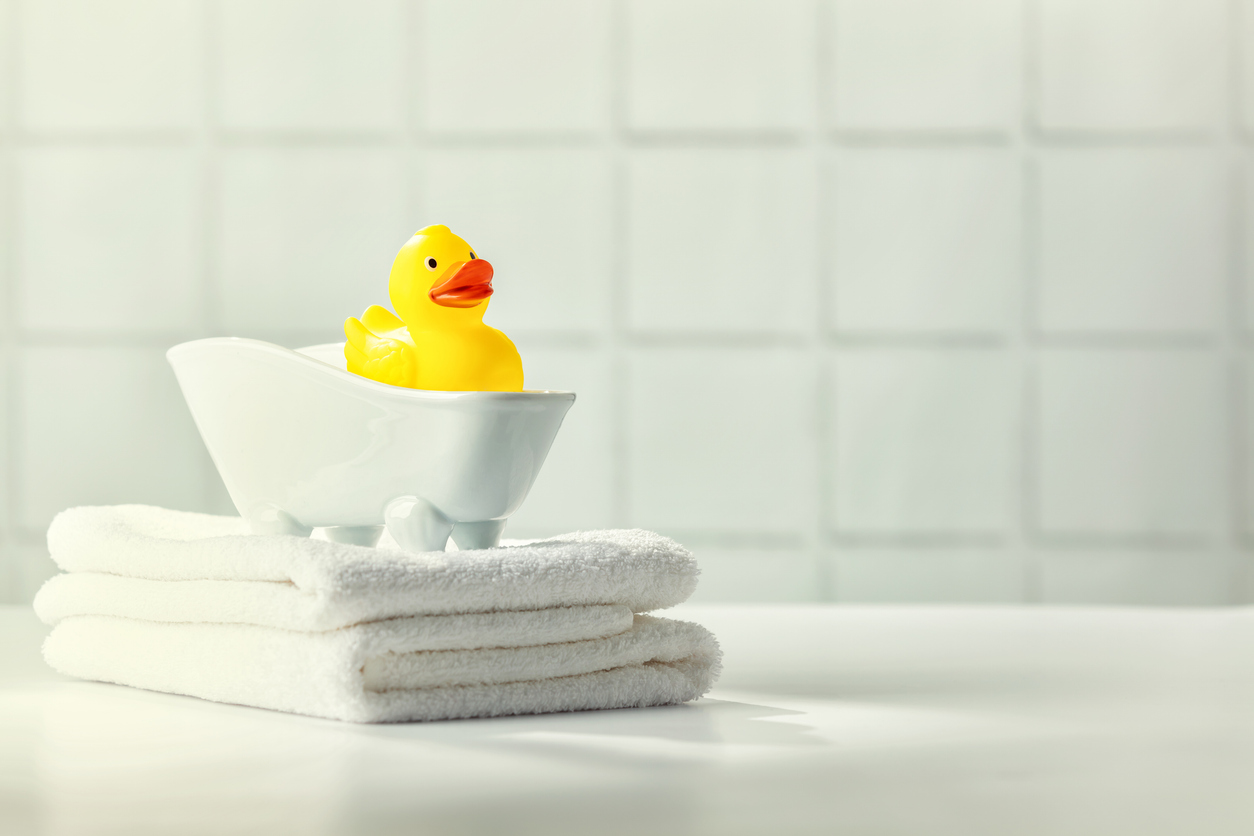
Opt for a bathtub with a built-in seat or a shower with a handheld showerhead, so parents can bathe young children with ease. These features also allow older children to take showers by themselves as they grow more independent.
3. Versatile and Durable Materials
When selecting materials for a family-friendly bathroom, durability is key. Materials that are easy to clean and resistant to damage from frequent use are a must. Opt for ceramic or porcelain tiles for the floors and walls, as they are both stylish and easy to wipe down. For countertops, consider quartz or granite, which are highly durable and resistant to stains and scratches.
In a family bathroom, things can get messy, so a practical approach to cleaning and maintaining surfaces is essential. Avoid choosing materials that require a lot of upkeep, like marble or natural wood, as they can easily stain or become scratched over time. Choose finishes and coatings that are moisture-resistant to prevent damage from steam, humidity, and water splashes.
4. Incorporating Storage
A family bathroom can become cluttered quickly, especially with a variety of personal items belonging to different family members. To keep the space organized and functional, incorporate plenty of storage options. Consider built-in shelves, medicine cabinets, or wall-mounted storage that can hold towels, toiletries, and cleaning supplies. Additionally, make use of under-sink cabinets for storing extra toilet paper, cleaning products, or spare towels.
Open shelving is a great option for storing items that need to be accessible to children, such as soap, shampoos, and toys. However, be sure to keep hazardous items like cleaning supplies and razors in locked cabinets or out of reach to ensure safety.
5. Aesthetic Considerations
While safety and functionality are paramount, the bathroom’s design should also reflect the family’s personality and taste. Choose colors and themes that are both appealing to children and adults. Soft, neutral tones like light blues, greens, or grays create a calm, relaxing atmosphere, while accent colors such as yellow, orange, or pastel hues can bring a sense of playfulness to the space.
Incorporating fun, yet practical, design elements can help make the bathroom feel more inviting for children. For instance, consider adding a colorful shower curtain, bathmat, or wall decals to personalize the space. As children grow, these design elements can be easily changed or updated to reflect their changing tastes.
6. Accessibility for All Ages
A truly family-friendly bathroom should be accessible to all members, regardless of age or ability. Consider installing a comfort-height toilet, which is easier for both children and elderly family members to use. Additionally, make sure there is ample space for a wheelchair or walker if needed. Widening doorways and ensuring there is enough room for maneuverability will make the bathroom more accessible for everyone.
A thoughtful approach to bathroom remodeling can make a world of difference in terms of convenience, comfort, and safety. With the right planning and design, a bathroom can serve as a versatile, welcoming space for families to enjoy for many years to come.



Leave a Reply