





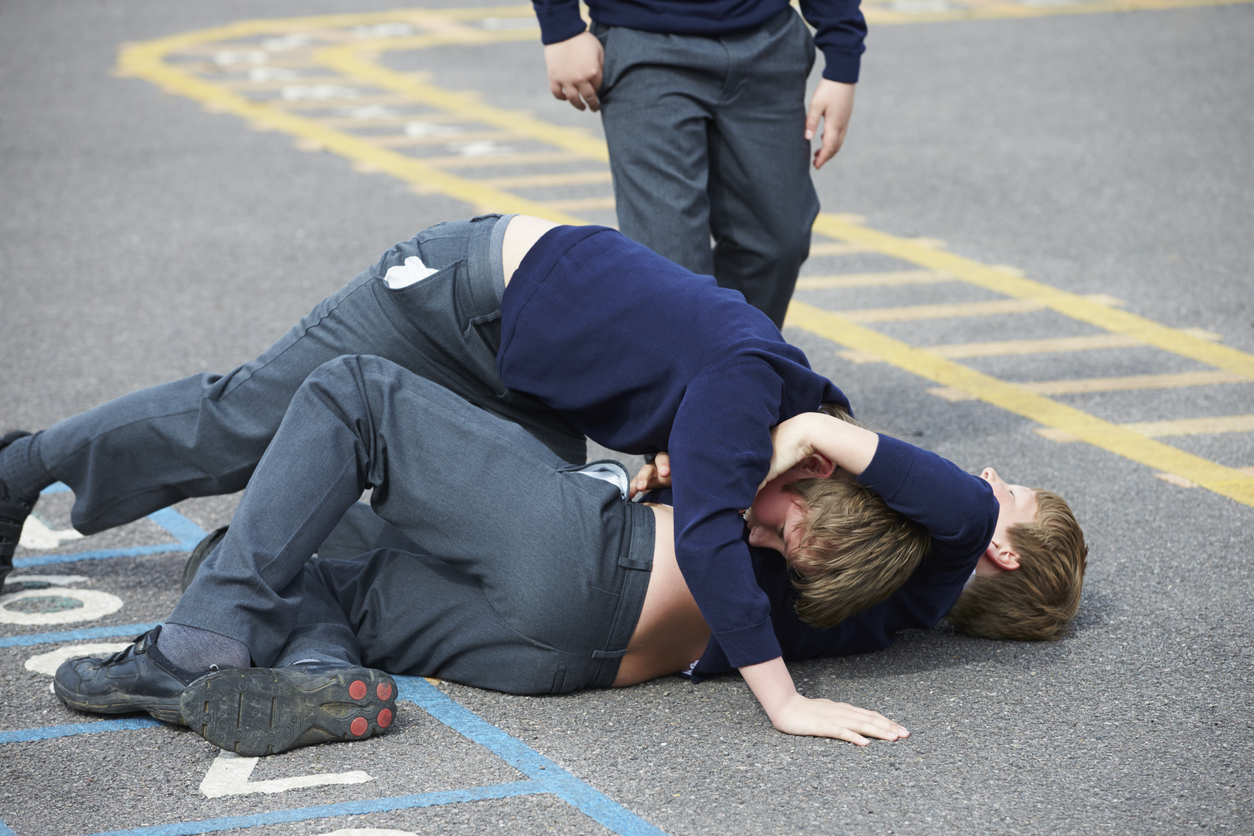
Conflict is a natural part of life – whether it’s a squabble over toys, a disagreement in the classroom, or a clash of opinions with siblings or friends. While it’s tempting to step in and sort things out for your child, helping them learn to resolve conflict themselves is a valuable life skill. When children understand how to manage disagreements respectfully and constructively, they’re more likely to grow into emotionally intelligent, empathetic adults. Here’s how to teach your child to resolve conflict, inspired by the practices of this girl’s school in Surrey.
Why Conflict Resolution Matters
Teaching conflict resolution isn’t just about keeping the peace at home or school. It’s about building emotional resilience, communication skills and self-awareness. Children who can manage disagreements are more confident, better at problem-solving, and tend to have stronger social relationships.
They’re also better equipped to handle the more complex interpersonal challenges they’ll face in adolescence and adulthood.
Start with Emotional Awareness
Children can’t resolve conflict until they understand what they’re feeling. Helping them name their emotions – frustration, sadness, anger, confusion – is the first step. You might say, “It looks like you’re feeling angry because your friend didn’t want to share.”
Once children can identify their feelings, they’re more likely to express them with words instead of outbursts or aggression. Encourage your child to talk about their emotions without judgement and model this behaviour in your own interactions.
Teach Active Listening
Often, conflicts escalate because children feel unheard. Teaching your child to listen actively – without interrupting or thinking only about their own response – is vital. Role-play conversations where one person shares their side, and the other repeats back what they heard. For example:
Child A: “I was playing with the car first.”
Child B: “You were playing with it first, and I took it without asking.”
This technique helps children develop empathy and understand others’ perspectives.
Encourage ‘I’ Statements
Children often place blame during arguments: “You’re mean!” or “You never let me play!” Show them how to reframe their language using ‘I’ statements. For example:
“I felt upset when you didn’t let me have a turn.”
This approach reduces defensiveness and opens up a dialogue instead of a confrontation.
Promote Problem-Solving
Once both children have expressed their feelings, help them brainstorm ways to resolve the issue together. Ask questions like:
– “What could you do differently next time?”
– “How can we make sure both of you are happy?”
Guide them to come up with fair compromises or solutions, rather than simply imposing one. This fosters ownership and accountability.
Model Positive Behaviour
Children learn a great deal by watching adults. If they see you handling disagreements calmly and respectfully, they’re more likely to mimic that behaviour. Avoid shouting, blaming, or dismissing emotions – instead, demonstrate how to negotiate and find common ground.
Conflict resolution is a skill that takes time and practice to develop. By supporting your child with empathy, patience and guidance, you’re helping them build strong foundations for healthier relationships in all areas of life. Remember: the goal isn’t to eliminate conflict, but to equip your child with the tools to manage it wisely.


Leave a Reply