












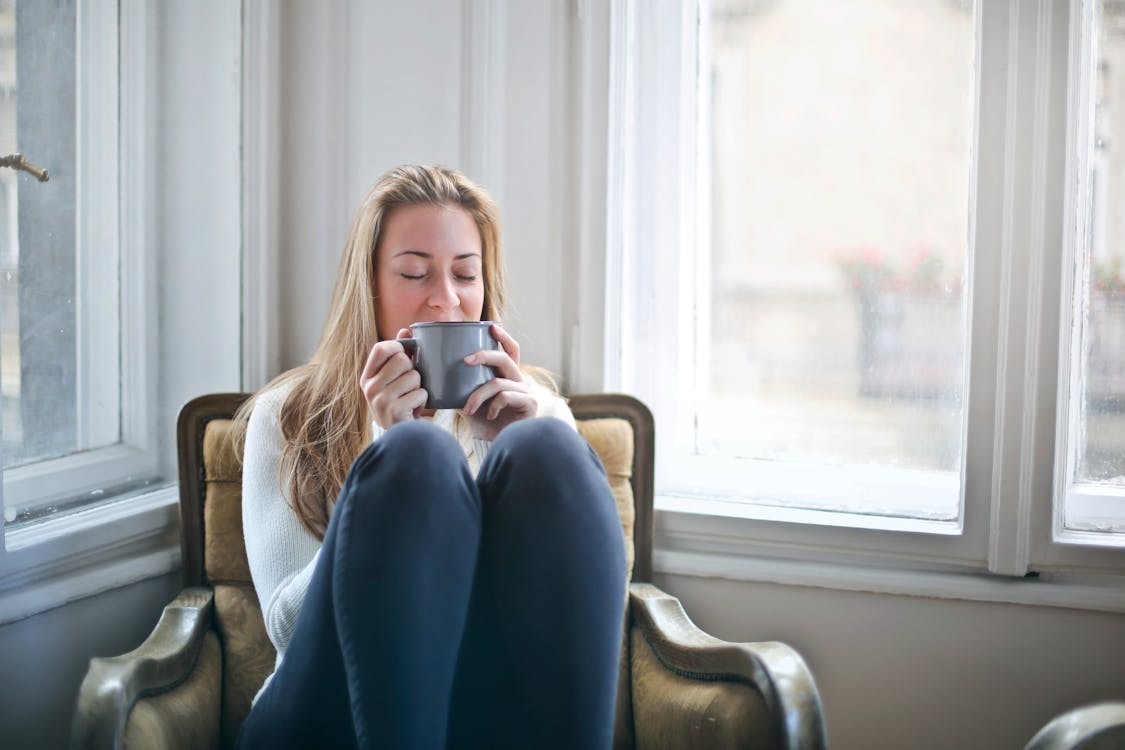
Taking time for self-care is more than just a trend—it’s essential for maintaining both mental and physical well-being. A dedicated space at home can make it easier to unwind, recharge, and focus on relaxation. In Seattle, WA, where the weather often brings rain and overcast skies, having a cozy and functional retreat can be especially beneficial. The right setup can transform any corner of a home into a personal sanctuary, providing a much-needed escape from daily stress.
Choosing the Right Space in Your Home
The first step in creating a self-care space is choosing the right location. The best spots are those that feel peaceful and separate from busy areas of the home. For some, this might be a quiet corner in the bedroom, while others may prefer the bathroom as a retreat. Even a small space can work well with the right setup.
Lighting plays a big role in setting the mood. Natural light can be uplifting, but soft artificial lighting works just as well for relaxation. Warm-toned bulbs or dimmable lights help create a soothing atmosphere. If the space is near a window, adding sheer curtains allows natural light to filter in without being too harsh.
Furniture placement also matters. A comfortable chair, a floor cushion, or even a cozy rug can make the space feel inviting. It’s helpful to keep distractions to a minimum, so choosing a spot away from high-traffic areas can make a difference.
Enhancing Relaxation with Spa-Like Features
For those looking to take their self-care routine to the next level, adding spa-like elements can make a big difference. Simple upgrades like soft towels, candles, and bath products can transform a space into a calming retreat. In Seattle, where cool temperatures and damp weather are common, many homeowners seek features that bring warmth and comfort.
Companies like Bath Center of Seattle provide a range of options for upgrading bathrooms into peaceful escapes. From deep soaking tubs to heated towel racks, small changes can create a spa-like atmosphere at home. Investing in high-quality fixtures and accessories makes the space feel more luxurious while promoting relaxation.
Aromatherapy is another way to elevate the experience. Essential oil diffusers with scents like lavender, eucalyptus, or chamomile can help create a calming environment. Adding a plush robe and slippers nearby makes it easy to step into relaxation mode at any time.
Creating a spa-inspired space doesn’t require major renovations. Even small adjustments, like placing a bowl of bath salts on the counter or switching to soft, neutral colors, can make the space feel more inviting.
Selecting Colors and Textures for Comfort
The colors and textures used in a self-care space play a big role in setting the mood. Softer, muted shades help create a calm atmosphere, while harsh or overly bright colors can feel overwhelming. Neutral tones like beige, light gray, soft blues, and earthy greens work well for promoting relaxation. These colors are often associated with tranquility and can make the space feel more inviting.
Textures also contribute to comfort. A mix of materials, such as plush rugs, linen curtains, and soft blankets, adds warmth and makes the space feel cozier. A fluffy area rug can make a big difference, especially on hardwood or tile floors. Using different fabrics, like velvet cushions or a knit throw, adds depth and makes the space more inviting.
Lighting should complement the chosen colors and textures. Soft, warm lighting creates a soothing effect, while harsh white lights can feel too clinical. Lamps with dimming options allow for adjustable brightness based on the time of day and mood. Candles or string lights provide a gentle glow, making the space feel even more comfortable.
Adding Personal Touches for a Meaningful Space
A self-care space should feel personal and reflect individual style. Adding meaningful touches makes it a place worth spending time in. Framed pictures, favorite books, or sentimental objects bring character to the space.
Plants are another great addition. They improve air quality and bring a natural element into the environment. Low-maintenance plants like snake plants, pothos, or succulents require little care but still add vibrancy.
Scents also contribute to a relaxing environment. Essential oil diffusers, incense, or scented candles with calming fragrances like lavender, vanilla, or eucalyptus can enhance the experience. Keeping these items in easy reach makes it simple to enjoy them whenever needed.
Music can also be part of the experience. A small Bluetooth speaker can play nature sounds, soft instrumentals, or meditation tracks. Sound plays a big role in relaxation, and having a personalized playlist can make unwinding even easier.
Technology and Self-Care: Finding a Balance
While technology can be helpful in self-care, too much of it can be distracting. The goal is to use it in a way that enhances relaxation rather than disrupting it. Some devices, like sound machines, guided meditation apps, or smart lighting, can support a peaceful environment.
For those who enjoy meditation or deep breathing exercises, apps with guided sessions can be a great addition. Noise machines that play ocean waves, rainfall, or white noise can also help create a calming atmosphere.
Smart lighting is another useful tool. Some bulbs can change color or adjust brightness, making it easy to set the right mood for relaxation. If using technology in a self-care space, it’s best to keep it minimal and purposeful.
On the other hand, too much screen time can take away from relaxation. Keeping phones or tablets away from the space can help avoid distractions. If using a device for meditation or music, switching it to airplane mode can prevent notifications from interrupting the moment.
Conclusion
Creating a cozy and functional self-care space doesn’t require a full renovation or a large budget. Small, thoughtful changes can make a big impact. Choosing the right colors, textures, and lighting creates a peaceful atmosphere. Personal touches like favorite books, scents, and plants make the space feel more inviting. Keeping the area organized and free of clutter helps maintain a sense of calm.
With a little planning, anyone can design a space that encourages relaxation and supports self-care routines. Whether it’s a dedicated room or just a quiet corner, having a space that feels comfortable and personal makes it easier to unwind and recharge.


Leave a Reply