












Moving is a big task, but stressing over every little detail can make it feel even harder. Many people try to plan every step perfectly, worrying about small things that don’t always matter in the long run. Overanalyzing the process can cause delays, decision fatigue, and unnecessary stress. A more relaxed approach helps make the move smoother and less overwhelming.
Focusing on the most important tasks—like packing efficiently, arranging transportation, and settling in—is a better idea. Instead of worrying about small details, having a flexible plan allows for adjustments without feeling overwhelmed. Moving is about starting fresh, and letting go of minor concerns helps make the transition easier. The goal is to complete the move without unnecessary stress and enjoy the new home without frustration.
Trusting Professionals Instead of Stressing Over Logistics
One of the biggest sources of stress during a move is handling transportation, loading, and timelines. Many people overthink every step, trying to figure out the best way to pack, carry, and unload their belongings. While it’s good to have a plan, focusing too much on these details can slow things down and make the process more exhausting. Try not to spend hours planning every aspect of your moving day, and trust professionals to take the pressure off.
Hiring experienced movers helps avoid the hassle of figuring out logistics alone. A reliable team knows how to handle loading, transporting, and unloading efficiently. Working with local movers allows homeowners to focus on settling in rather than stressing over the moving process itself.
Professional movers already have the right equipment, experience, and strategies to get the job done without unnecessary delays. Letting them handle the heavy lifting allows for a smoother transition with less worry.
Avoiding Perfectionism When Packing
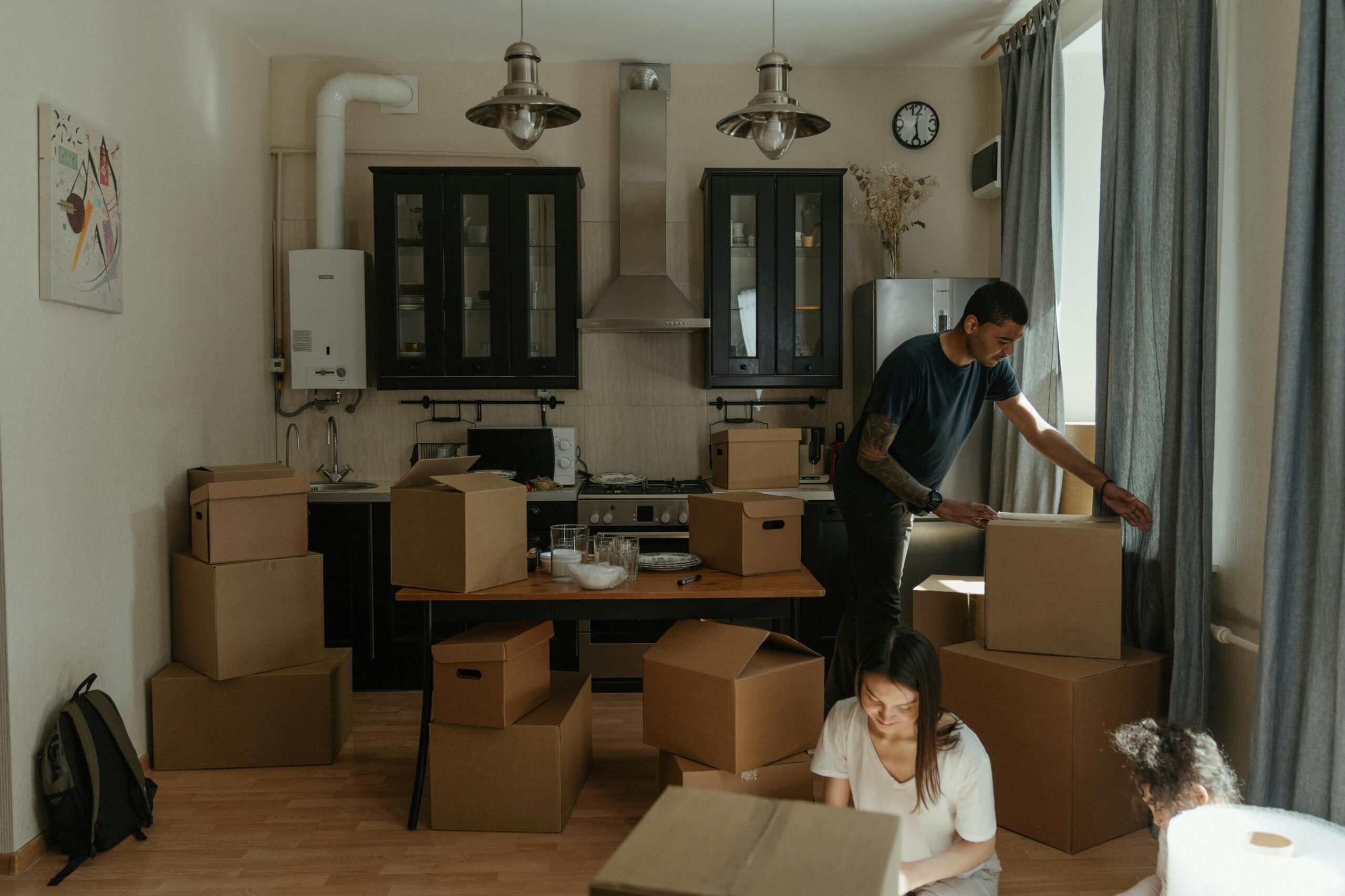
Packing is one of the most time-consuming parts of moving, but overthinking it can make the process even longer. Many people get stuck trying to pack everything perfectly, spending too much time deciding which items go together or how to arrange things in boxes. While it’s helpful to be organized, focusing too much on perfection can slow down progress. Instead of aiming for a flawless packing system, focusing on efficiency helps get things done faster.
Sorting items into general categories, labeling boxes clearly, and packing room by room makes the process easier. Trying to find the perfect-sized box for each item or worrying about arranging everything in the most ideal way is not necessary.
The main goal is to pack safely and securely, not perfectly. Once everything arrives at the new home, adjustments can be made as needed. Letting go of the need for perfect packing reduces stress and allows the move to move forward without delays.
Sticking to the Essentials Instead of Overpacking
Overpacking can make the process harder, requiring extra time, space, and effort. Keeping unnecessary items can lead to clutter in the new home, making unpacking and organizing more difficult. Rather than taking everything, focusing on the essentials makes moving and settling in much easier.
Letting go of items that are no longer needed or used helps streamline the move. Sorting through belongings before packing and donating, selling, or discarding unnecessary items saves time and energy. A new home is a fresh start, and bringing only the essentials allows for a clean and organized space. Moving fewer things also means fewer boxes to carry and unpack, making the entire process more manageable.
Being Flexible with Moving Day Plans
Moving day can be unpredictable. Traffic, weather changes, or unexpected delays can disrupt even the most carefully planned schedule. Many people try to plan every minute of the day, expecting everything to go perfectly. When things don’t go as expected, stress levels rise, and frustration takes over. Being flexible with the plan helps keep things manageable and prevents unnecessary anxiety.
Having a general timeline instead of a rigid schedule allows for small adjustments. If something takes longer than expected, there’s no need to panic. A backup plan for potential delays, like keeping snacks and essentials easily accessible, helps reduce frustration.
Moving is already a tiring process, and stressing over small delays won’t change the outcome. Staying adaptable allows the focus to remain on what truly matters—getting everything to the new home safely.
Not Rushing to Unpack Everything at Once
Unpacking after a move can feel overwhelming, especially when there are boxes everywhere. Many people feel pressure to unpack everything immediately, trying to get the house in perfect order right away. It’s a recipe for exhaustion and frustration and makes the transition more stressful than it needs to be. Instead of trying to finish in one day, unpacking in stages helps make the process smoother and less overwhelming.
Focusing on essential areas first, like the kitchen, bedroom, and bathroom, helps create a functional space without rushing. Once the basics are set up, the rest can be unpacked gradually. Taking time to organize instead of rushing through everything prevents clutter from building up in the new home. Moving in should be an enjoyable process, not a race. A step-by-step approach allows for a more comfortable transition without unnecessary pressure.
Focusing on the Big Picture Instead of Small Setbacks
Every move comes with small challenges. A misplaced item, a minor delay, or a last-minute change in plans can feel frustrating at the moment. However, getting caught up in every small issue can take away from the excitement of moving into a new home. Focusing on the big picture helps keep things in perspective and makes the process feel less overwhelming.
A few bumps along the way don’t define the entire move. What matters most is reaching the new home and settling in. Try not to dwell on minor inconveniences. Shifting the focus to the excitement of a fresh start creates a more positive experience. Moving is an opportunity for new beginnings, and letting go of perfection allows the process to feel smoother and more enjoyable.
Overthinking every detail when moving can turn an already challenging process into an exhausting one. Trusting professionals, keeping packing simple, and staying flexible help reduce unnecessary stress. Moving is about transitioning to a new home and focusing on the essentials makes it easier to settle in. In the end, small setbacks won’t matter. What matters is creating a comfortable and welcoming space in the new home. A relaxed approach allows the move to be more manageable and even enjoyable. Moving is a big step, and embracing it with a clear and calm mindset makes all the difference.


Leave a Reply