

















The luxury watch market is in excellent health, with high-quality timepieces from high-end manufacturers now being regarded as worthwhile collector’s items, and excellent stores of value.
This might seem surprising. After all, when the modern smartphone came to prominence more than a decade ago, the end of the wristwatch was widely forecast. What happened instead was that smartphones were augmented with wrist-worn counterparts.
So, exactly what is it that’s keeping the wristwatch alive?
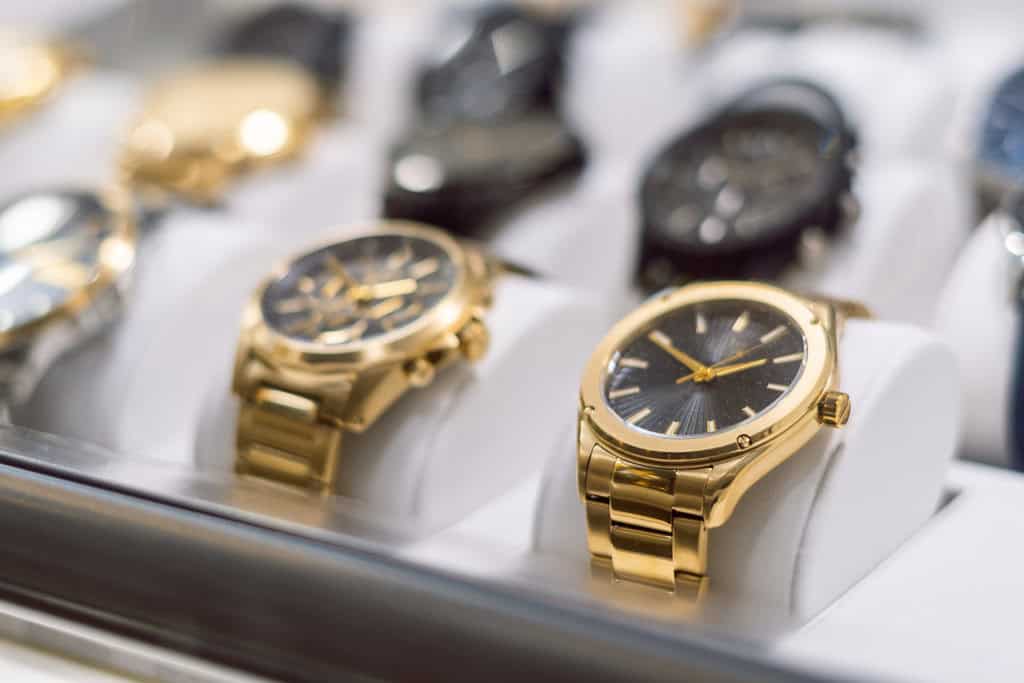
The Enduring Appeal of Vintage Timepieces
Vintage luxury watches have a history that stretches back more than two centuries. During that time, an entire tradition of intricate mechanical engineering has emerged – and the modern wristwatch represents a great way to carry that tradition into the future. Mechanical watches are more difficult and expensive to manufacture than modern digital ones – but this is part of their appeal. When you invest in a premium-quality one, you’re agreeing to take care of a small piece of the history of engineering – in the same way that the owner of a classic car might.
For enthusiasts, a pre-owned Rolex captures the essence of timeless elegance. This is a brand that arguably enjoys the greatest mainstream exposure. But there are also other manufacturers worth paying attention to, including Tag Heur, Omega, and Patek Philippe.
Modern Innovations
Of course, just because a design is mechanical doesn’t mean it hasn’t taken advantage of modern technology. You might find digital components included in modern mechanical watches. Plus, these watches might be designed using digital CAD software, like Solidworks or Autodesk.
It’s also worth mentioning the methods via which watches are bought and sold. Increasingly, the internet has made it possible for would-be buyers to access a much broader marketplace. It’s now possible to look for an enormous range of designs, without having to actually visit a shop in person.
Of course, before finalising a purchase, you might look to inspect the watch itself. It might be that there are visual defects worth attending to, or it might be that the watch itself simply doesn’t match your expectations.
There’s also been a growing interest in sustainability, which watchmakers are trying to satisfy. You might even find manufacturers with an explicit green commitment, which is evident in the watches themselves.
Timeless Investment
When you buy a luxury wristwatch, you’re buying into the ongoing legacy of the item and its manufacturer. It might be that the emotional bonds you form with the item actually extend beyond your lifetime, if you’re passing it down to someone in your family. In many cases, the actual monetary value of the item will rise above inflation, which can be perfect if you’re looking for something to invest in.


Leave a Reply