









Conflict is a natural part of life, and teaching children how to manage disagreements in a healthy way is an essential skill for their emotional and social development. By equipping them with effective conflict-resolution techniques, they can navigate relationships with confidence and empathy. An Independent School in Essex have kindly shared some key strategies to help your child handle conflict in a positive manner:
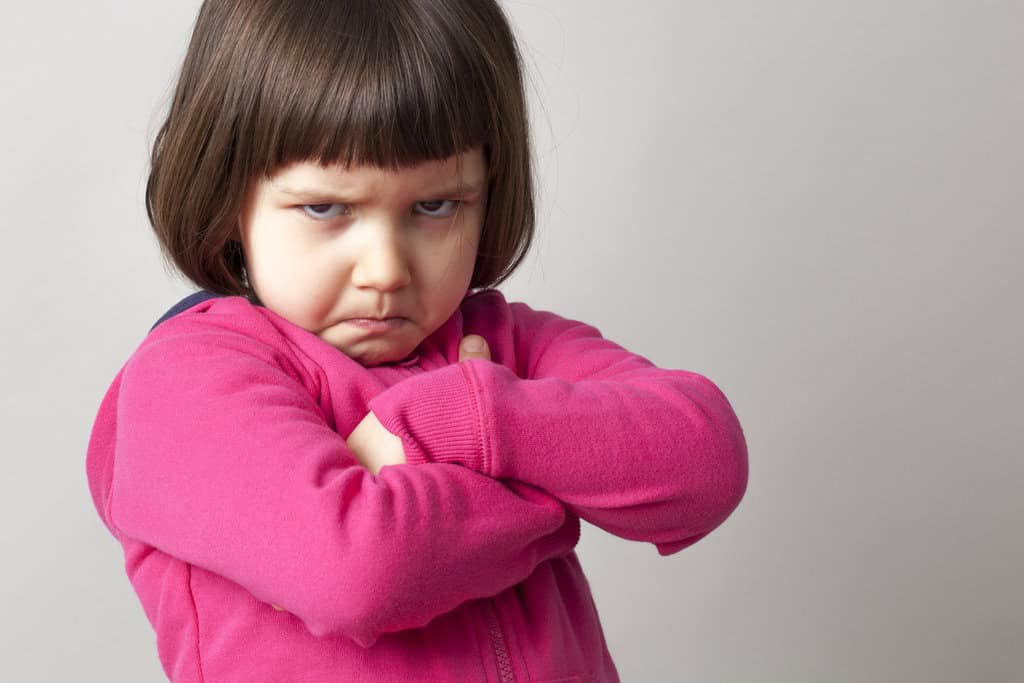
1. Encourage Open Communication
Teach your child to express their feelings and thoughts openly and respectfully. Encourage them to use “I” statements, such as “I feel upset when…” rather than blaming others. This fosters understanding and prevents escalation.
2. Teach Active Listening
Help your child understand the importance of listening to others without interrupting. Encourage them to repeat what the other person has said to show that they understand. This skill promotes empathy and helps in finding common ground.
3. Promote Emotional Regulation
Conflicts can be emotionally charged. Teach your child strategies like deep breathing, counting to ten, or taking a short break before responding. Managing emotions helps them respond calmly rather than react impulsively.
4. Encourage Problem-Solving Skills
Guide your child in brainstorming solutions to conflicts rather than focusing on the problem. Ask questions like, “What do you think would be a fair solution?” This empowers them to take responsibility and find constructive resolutions.
5. Model Positive Conflict Resolution
Children learn best by example. Demonstrate healthy conflict resolution in your own interactions by staying calm, listening actively, and working towards a compromise. Your actions will teach them more than words alone.
6. Teach the Importance of Apologising and Forgiving
Encourage your child to apologise when they’ve made a mistake and accept apologies from others. Understanding that mistakes happen and that forgiveness is important helps them maintain strong relationships.
7. Encourage Seeking Help When Needed
Teach your child that it’s okay to ask for help from a trusted adult if they are unable to resolve a conflict on their own, especially in cases of bullying or serious disagreements.
By teaching children these conflict-resolution skills, they will be better equipped to handle disagreements in a constructive and respectful manner, fostering positive relationships throughout their lives.


Leave a Reply